Get your free personalized podcast brief
We scan new podcasts and send you the top 5 insights daily.
While US sanctions are a factor, the Iranian currency's freefall is largely due to structural corruption. The economy is dominated by the military and clerical foundations, a political-economic model that stifles growth and fuels public anger—a problem sanctions relief alone cannot solve.
Related Insights
The US raid to capture Venezuela's president has sparked talk within Iran's elite about a similar "solution": removing Supreme Leader Khamenei to appease protestors and preserve the system, rather than allowing it to collapse entirely under external and internal pressure.
Meaningful reform in Iran is unlikely until the succession of the 86-year-old Supreme Leader is resolved. Deep uncertainty over who will hold power paralyzes the political system, preventing any faction from making significant changes and forcing the country into a holding pattern until the leadership transition occurs.
To circumvent sanctions on its oil-based economy, Iran has boosted agricultural exports. It now supplies 90% of the cauliflowers, tomatoes, and watermelons imported by the United Arab Emirates, demonstrating a strategic economic pivot to maintain revenue streams amid international pressure.

Modern global conflict is primarily economic, not kinetic. Nations now engage in strategic warfare through currency debasement, asset seizures, and manipulating capital flows. The objective is to inflict maximum financial damage on adversaries, making economic policy a primary weapon of war.

Economic uncertainty and anxiety are the root causes of political violence. When governments devalue currency through inflation and amass huge debts, they create the stressful conditions that history shows consistently lead to civil unrest.

The current Iranian protests are uniquely potent because the regime is at its weakest geopolitically. The loss of regional proxies like Hezbollah and Hamas, coupled with key ally Russia's preoccupation with Ukraine, has left the Iranian government more isolated and vulnerable than during any previous wave of unrest.

When countries run large, structural government deficits, their policy options become limited. Historically, this state of 'fiscal dominance' leads to the implementation of capital controls and other financial frictions to prevent capital flight and manage the currency, increasing risks for investors.

Dara Khosrowshahi theorizes the Shah of Iran's regime collapsed because he modernized too fast, focused excessively on military power over industrial growth, and failed to bring along rural populations and integrate Islam into his vision, creating a power vacuum for the Islamic regime to exploit.

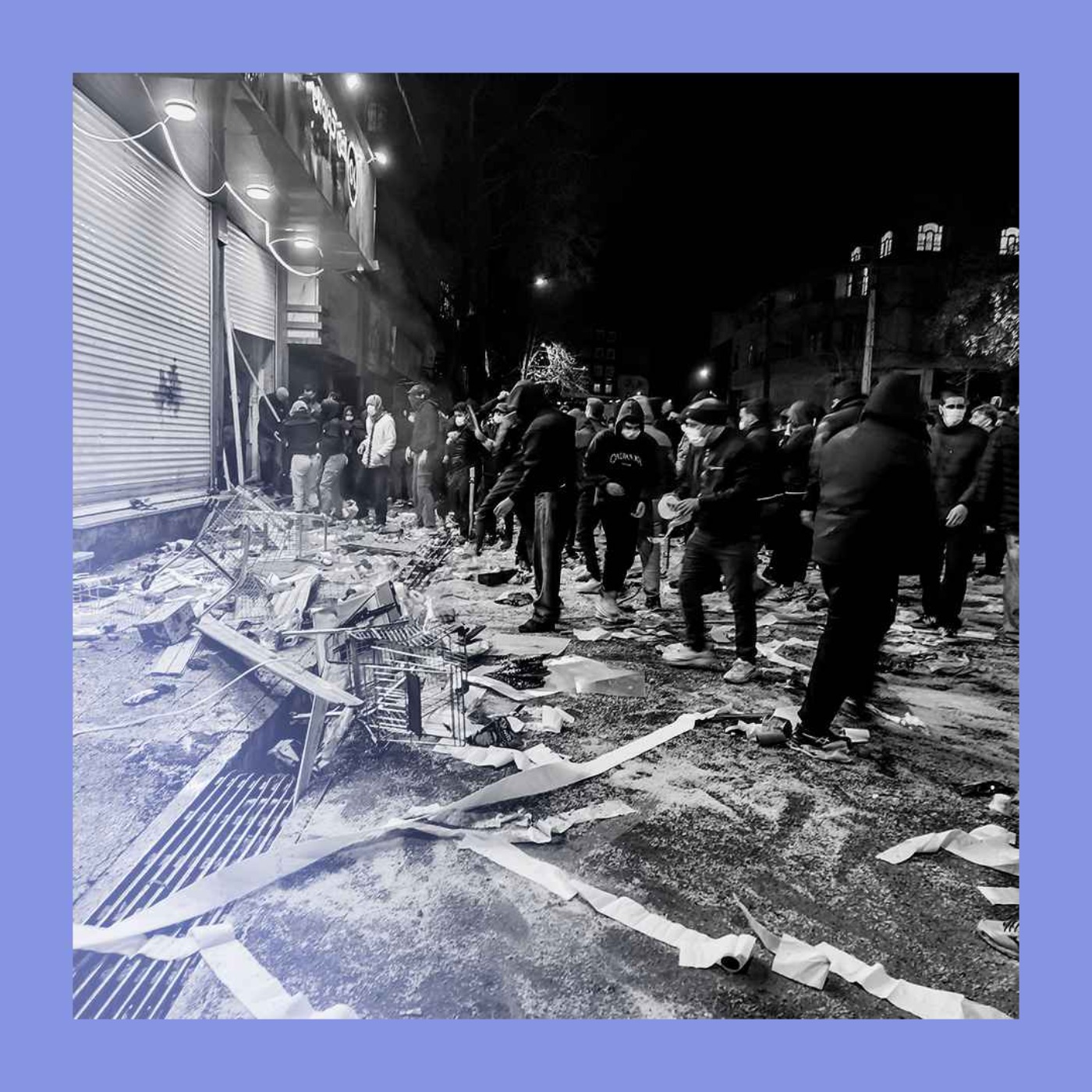
Unlike the 2022 protests led by middle-class women over social freedoms, the current unrest is driven by jobless young men—a traditionally pro-regime group—angry about economic collapse. This shift in demographics and motivation makes the government's usual appeasement tactics less effective.
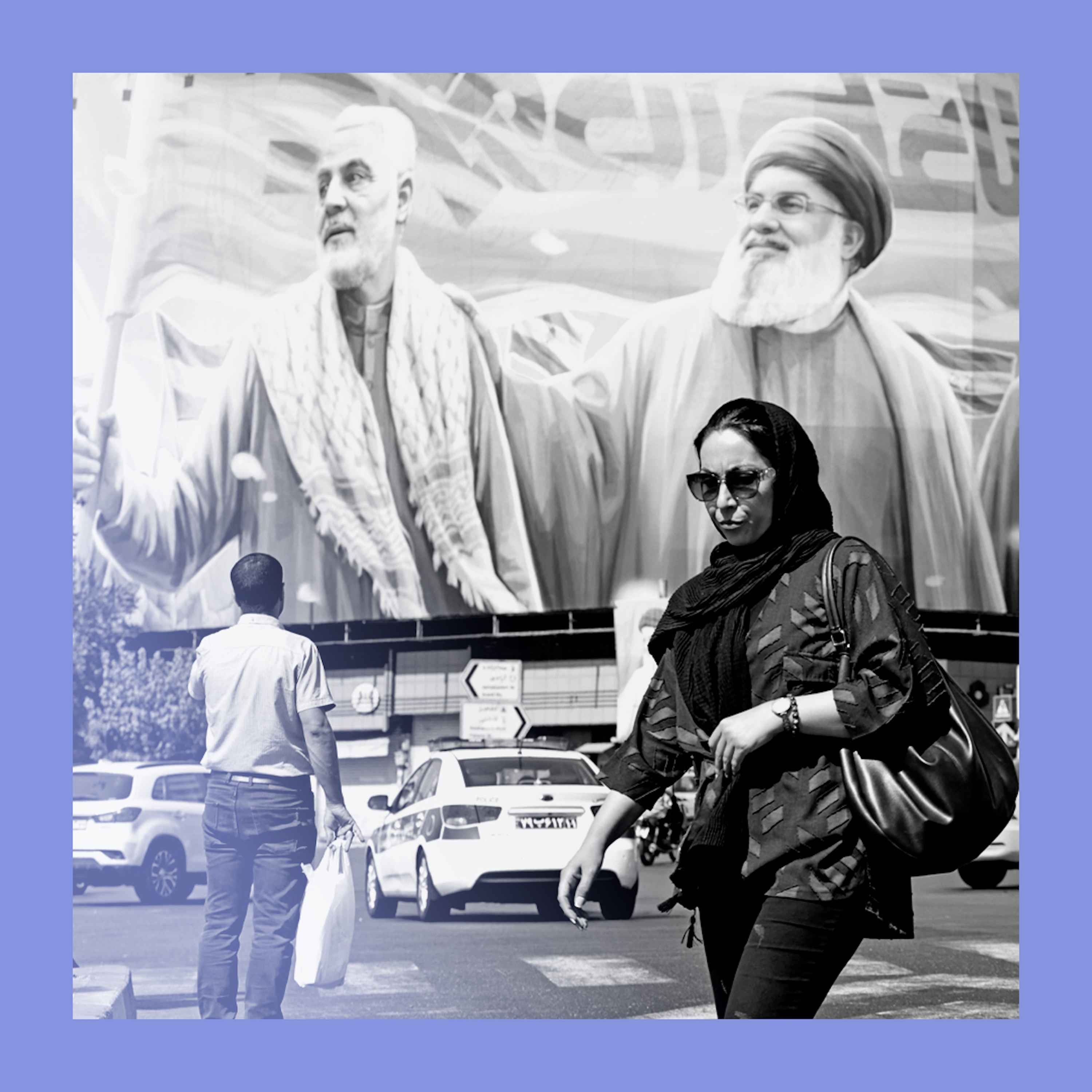
Facing severe economic pressure from sanctions and inflation, the Iranian government has relaxed enforcement of the hijab law. This is a calculated concession to appease the population and release social pressure, effectively trading social freedom for economic stability without ceding significant political power.