Get your free personalized podcast brief
We scan new podcasts and send you the top 5 insights daily.
A destabilized Iranian regime is more dangerous, not less. Israeli intelligence fears Tehran might launch a strike on a foreign enemy like Israel to distract its populace, create a "rally 'round the flag" effect, and restore military pride after recent setbacks.

Related Insights
The US raid to capture Venezuela's president has sparked talk within Iran's elite about a similar "solution": removing Supreme Leader Khamenei to appease protestors and preserve the system, rather than allowing it to collapse entirely under external and internal pressure.
Meaningful reform in Iran is unlikely until the succession of the 86-year-old Supreme Leader is resolved. Deep uncertainty over who will hold power paralyzes the political system, preventing any faction from making significant changes and forcing the country into a holding pattern until the leadership transition occurs.
Protests in Iran, if they disrupt the regime, could halt cheap oil flows to China. This would force China to buy from more expensive, US-friendly markets, strengthening the US dollar's global dominance and isolating anti-Western powers without direct US intervention.

Beyond the immediate conflict, Israeli strategists see a long-term opportunity. If the current regime falls, they hope to restore the strong alliance that existed with non-Arab Iran before the 1979 Islamic Revolution, which was based on shared regional interests.
Contrary to his hawkish reputation, Benjamin Netanyahu is deliberately lowering Israel's profile regarding Iran's internal protests. This strategic silence aims to prevent the embattled Iranian regime from feeling cornered and launching a preemptive attack out of paranoia.
While the operation occurred in Venezuela, its primary psychological impact may be on Iran. The Iranians are reportedly "terrified," viewing the successful removal of a hostile leader as a direct threat and a plausible preview of future U.S. action against them.

An obsessive focus on internal political battles creates a critical geopolitical vulnerability. While a nation tears itself apart with divisive rhetoric, strategic adversaries like China benefit from the distraction and internal weakening. This domestic infighting accelerates the erosion of the nation's global influence and power.

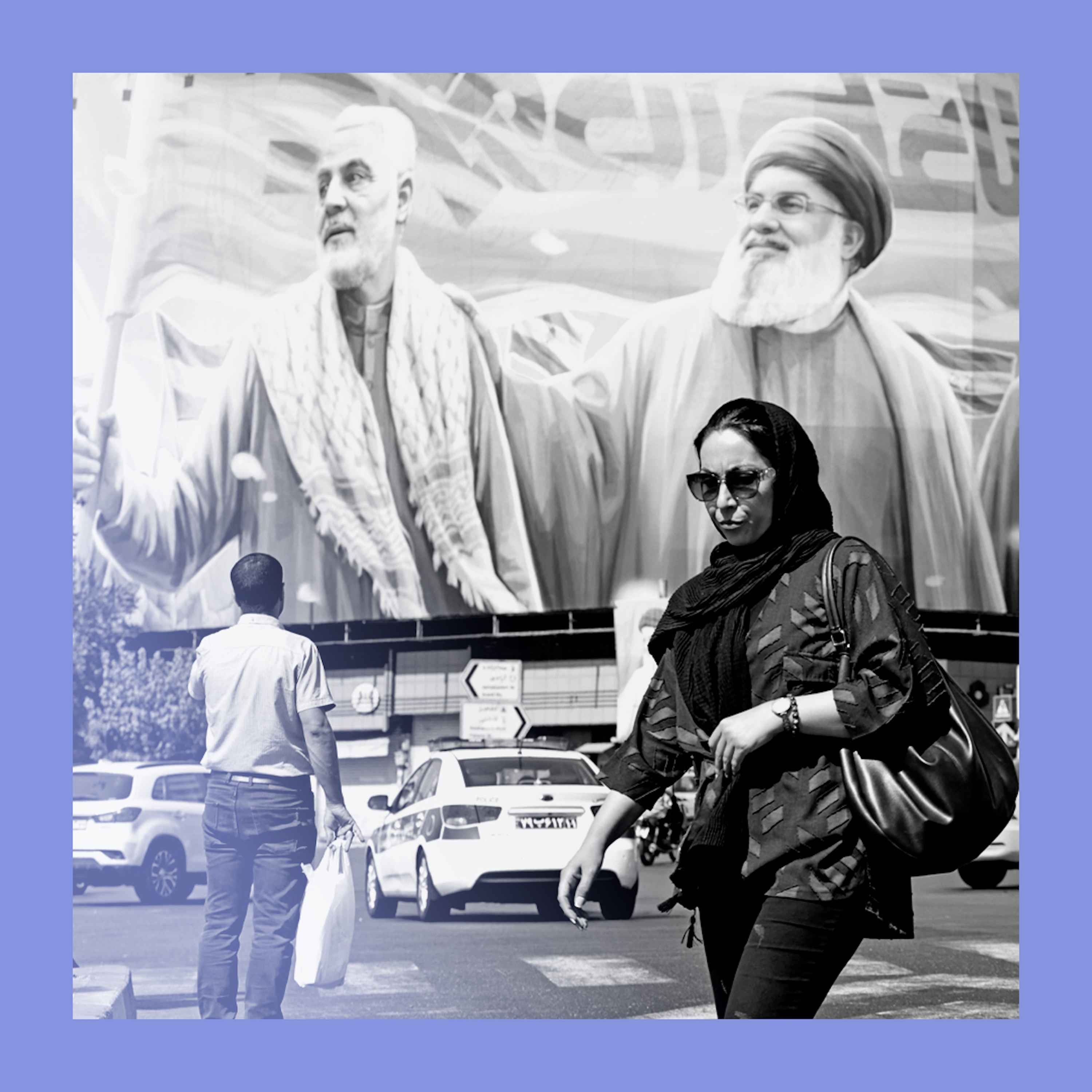
The current Iranian protests are uniquely potent because the regime is at its weakest geopolitically. The loss of regional proxies like Hezbollah and Hamas, coupled with key ally Russia's preoccupation with Ukraine, has left the Iranian government more isolated and vulnerable than during any previous wave of unrest.

Despite widespread internal protests and instability, history shows that an external attack is one of the few things that can unify the Iranian population. A potential Israeli strike, meant to weaken the regime, could backfire by creating a 'rally 'round the flag' effect that shores up support for the Ayatollah.

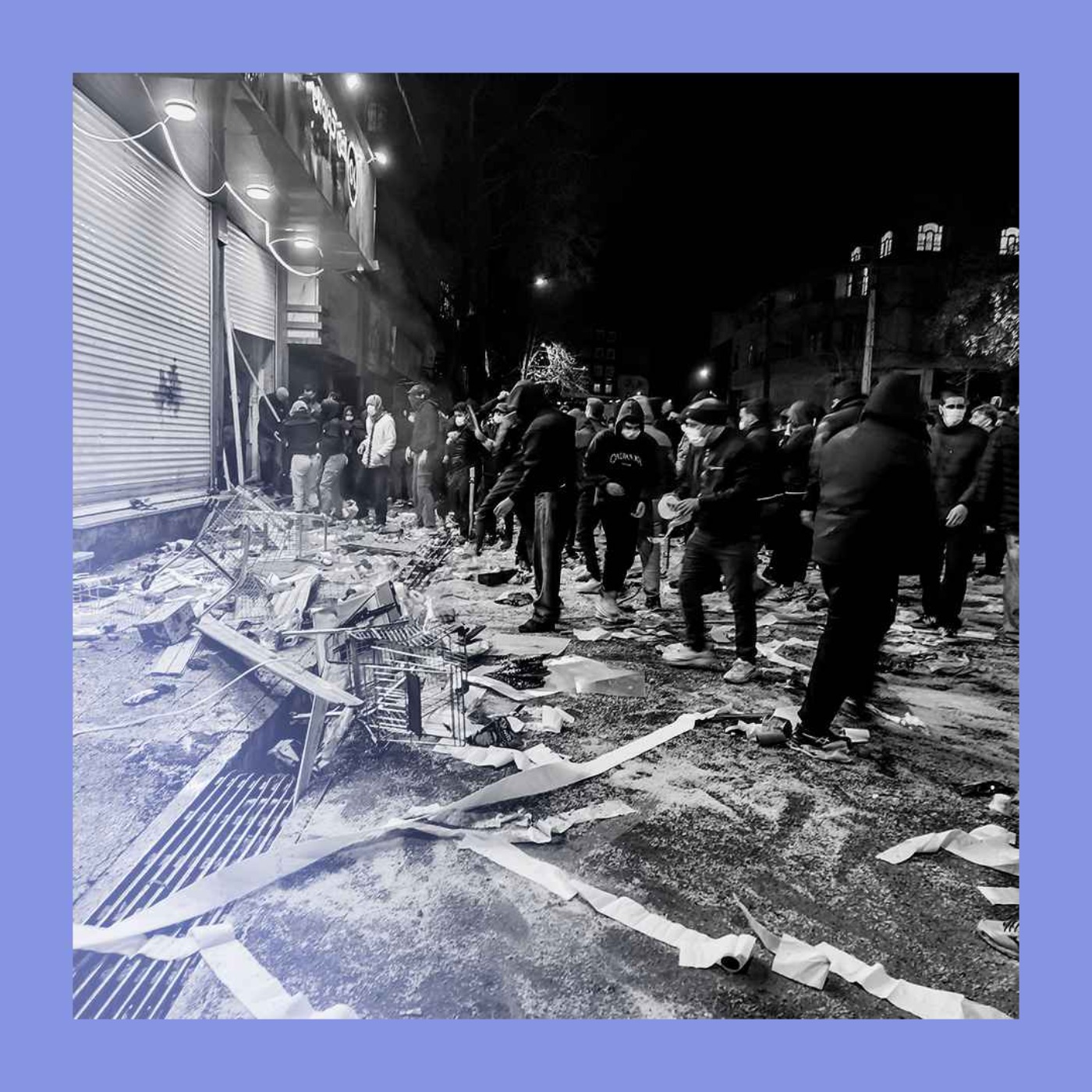
Unlike the 2022 protests led by middle-class women over social freedoms, the current unrest is driven by jobless young men—a traditionally pro-regime group—angry about economic collapse. This shift in demographics and motivation makes the government's usual appeasement tactics less effective.