Get your free personalized podcast brief
We scan new podcasts and send you the top 5 insights daily.
Israel's traditional public relations approach, which defaults to demonstrating military strength and dismissing criticism, is becoming counterproductive. It fails to build alliances and win the global "PR battle," which is as crucial for long-term survival as military victory.
Related Insights
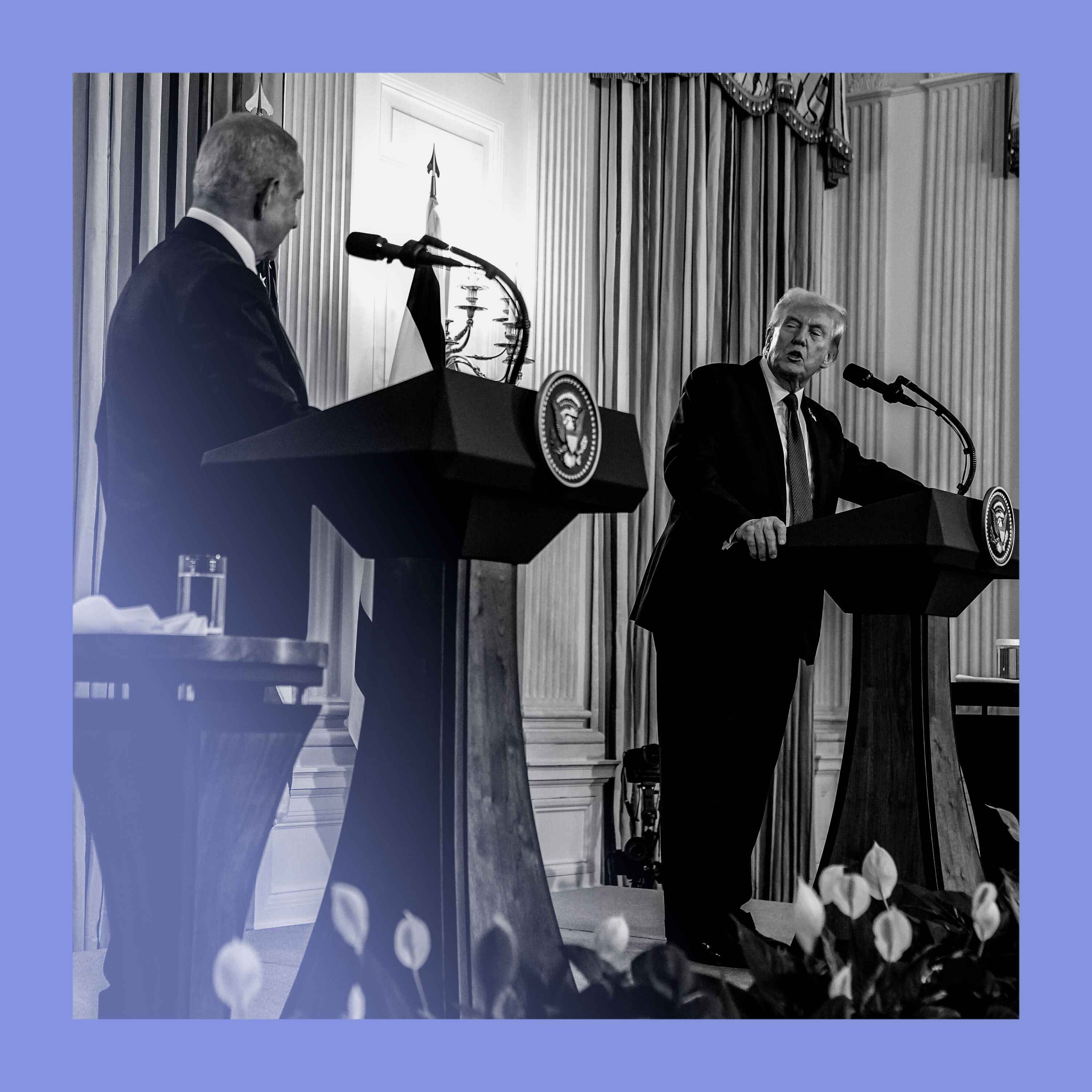
The peace deal materialized only after President Trump became personally and seriously invested. His direct pressure on Prime Minister Netanyahu was the critical factor in shifting Israel's position, suggesting that previous, less forceful American approaches missed opportunities to end the conflict sooner.

Rather than taking a "holier than thou" stance and refusing to engage with governments that have committed atrocities, it is more effective to build bridges. Cooperation invites them into the 21st century and aligns them with your values, whereas isolationism is counterproductive.

For companies that aren't yet household names, securing top-tier media coverage is incredibly difficult. A more effective PR strategy is to set internal expectations and focus on achieving a consistent presence in niche trade publications. This builds credibility with the most relevant audience and is a more achievable goal.

Agencies like Mossad strategically allow or even promote media about their successful operations (e.g., films like "Munich"). This acts as information warfare, shaping a global perception of their omnipotence. This cultivated mystique serves as a powerful deterrent, even if their true capabilities are more limited.

The proposed peace deal’s elements have been discussed for months. The breakthrough isn't the plan itself, but President Trump's willingness to strong-arm Israeli Prime Minister Netanyahu into agreement, a tactic previously avoided by both Trump and his predecessor Joe Biden.
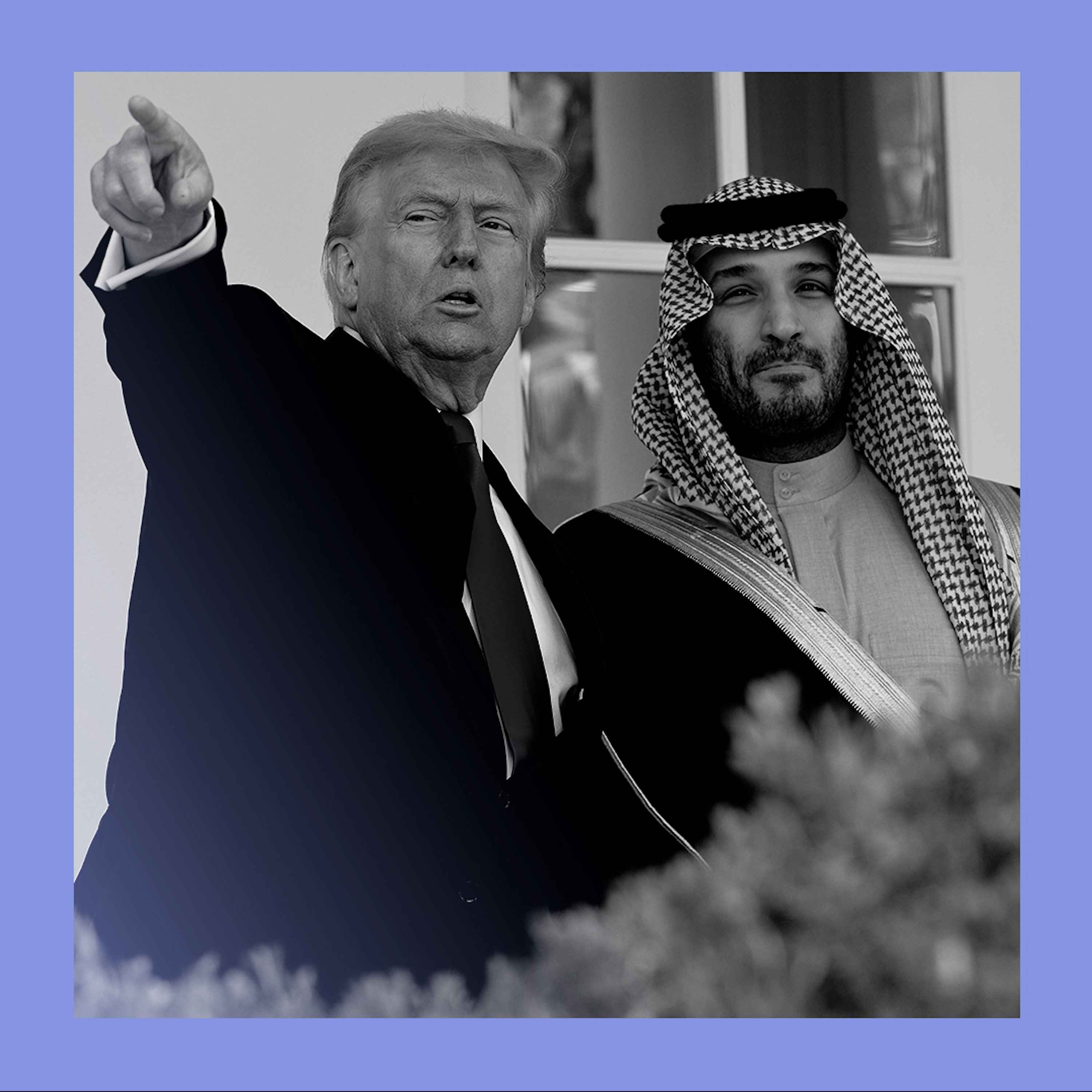
The US decision to sell its most advanced fighter jets to Saudi Arabia marks a significant shift in regional military dynamics. This move worries Israel, which relies on its technological military edge to maintain its status as a regional power, signaling a potential realignment of power in the Middle East.
In politics, the perception of strength and decisiveness can be more electorally powerful than being correct but appearing weak or compromising. This principle explains why a political party might maintain a hardline stance that is unpopular, as the image of strength itself resonates more with voters than the nuance of being “right.”

When faced with sustained political attacks and threats, a media organization may strategically shift from cautious appeasement to aggressive, adversarial journalism. This pivot reflects a calculation that defending journalistic integrity is a better brand and survival strategy than attempting to placate a hostile political actor.
Viewing the conflict as two rational sides in a misunderstanding is flawed. Both sides see the other as an existential threat and are willing to use extreme violence to achieve their goals. This reframes the narrative from a political dispute to a primal, violent tribal conflict where both sides see themselves as righteous.

The era of limited information sources allowed for a controlled, shared narrative. The current media landscape, with its volume and velocity of information, fractures consensus and erodes trust, making it nearly impossible for society to move forward in lockstep.