Get your free personalized podcast brief
We scan new podcasts and send you the top 5 insights daily.
The US raid to capture Venezuela's president has sparked talk within Iran's elite about a similar "solution": removing Supreme Leader Khamenei to appease protestors and preserve the system, rather than allowing it to collapse entirely under external and internal pressure.
Related Insights
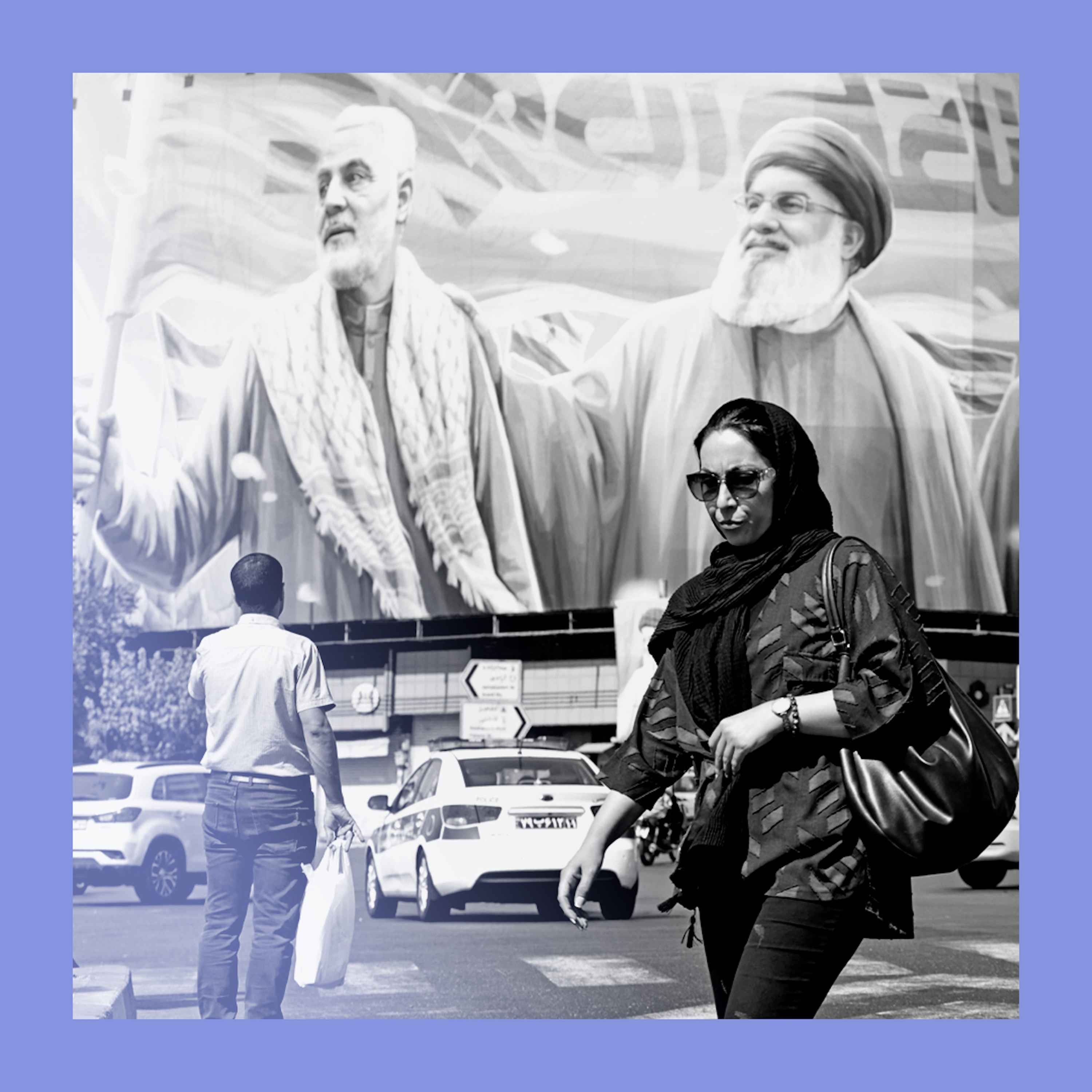
Meaningful reform in Iran is unlikely until the succession of the 86-year-old Supreme Leader is resolved. Deep uncertainty over who will hold power paralyzes the political system, preventing any faction from making significant changes and forcing the country into a holding pattern until the leadership transition occurs.
The U.S. operation to capture Maduro serves as a real-world case study for China's potential 'decapitation' strike against Taiwan. China has already rehearsed such scenarios in mock-ups of Taipei's presidential palace. This event demonstrates the feasibility of a quick, surgical strike, which is more aligned with the CCP's goals than a costly amphibious invasion.
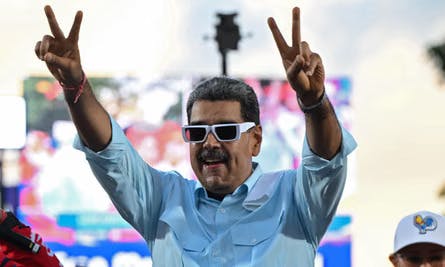
The Trump administration is depicted as ignoring Venezuela's legitimately elected opposition leader and instead choosing to work with the former vice president. This suggests a strategy prioritizing controllable stability with a regime figure over supporting a democratically elected but potentially less predictable leader.
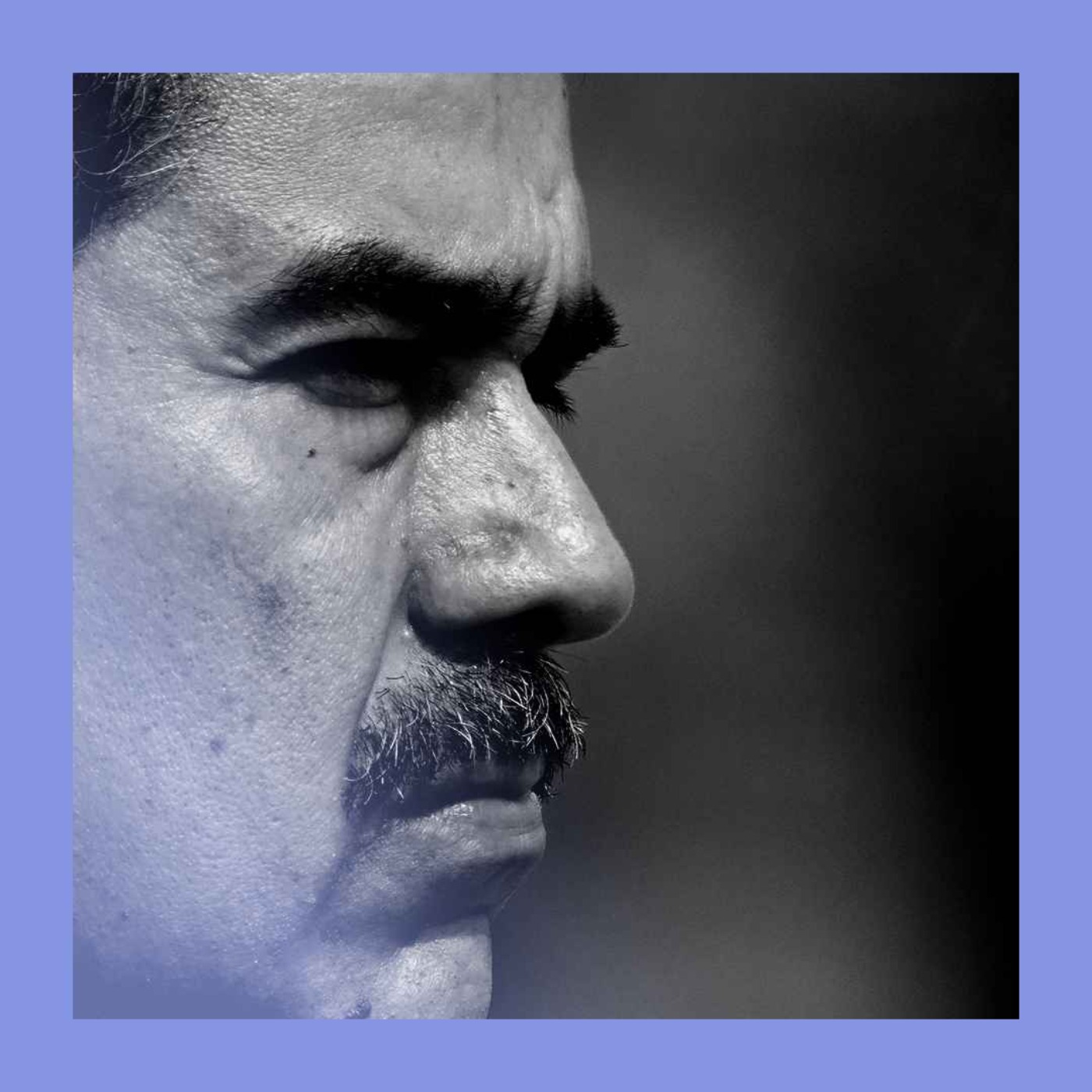
A clean, external removal of Iran's leadership, similar to what occurred in Venezuela, is unlikely. Iran's population is nearly four times larger, it is geographically distant, and the American political psyche associates the Middle East with costly military entanglements, creating a much higher barrier to intervention.

While the operation occurred in Venezuela, its primary psychological impact may be on Iran. The Iranians are reportedly "terrified," viewing the successful removal of a hostile leader as a direct threat and a plausible preview of future U.S. action against them.

Contrary to the assumption that U.S. military action is unwelcome in the region, polling reveals significant support. 53% of Latin Americans and 64% of the Venezuelan diaspora would back an intervention to remove Nicolas Maduro, highlighting a major disconnect with the skepticism of the American public.
The US action to remove Maduro was not a traditional regime change. The goal was to eliminate the leader personally while leaving his party and government apparatus largely intact, suggesting a strategic choice to avoid the instability of a full power vacuum.
By leaving the existing Chavista power structure largely intact after removing Maduro, the U.S. is applying a key lesson from Iraq: avoiding a power vacuum and the chaos of de-Ba'athification is paramount for stability.

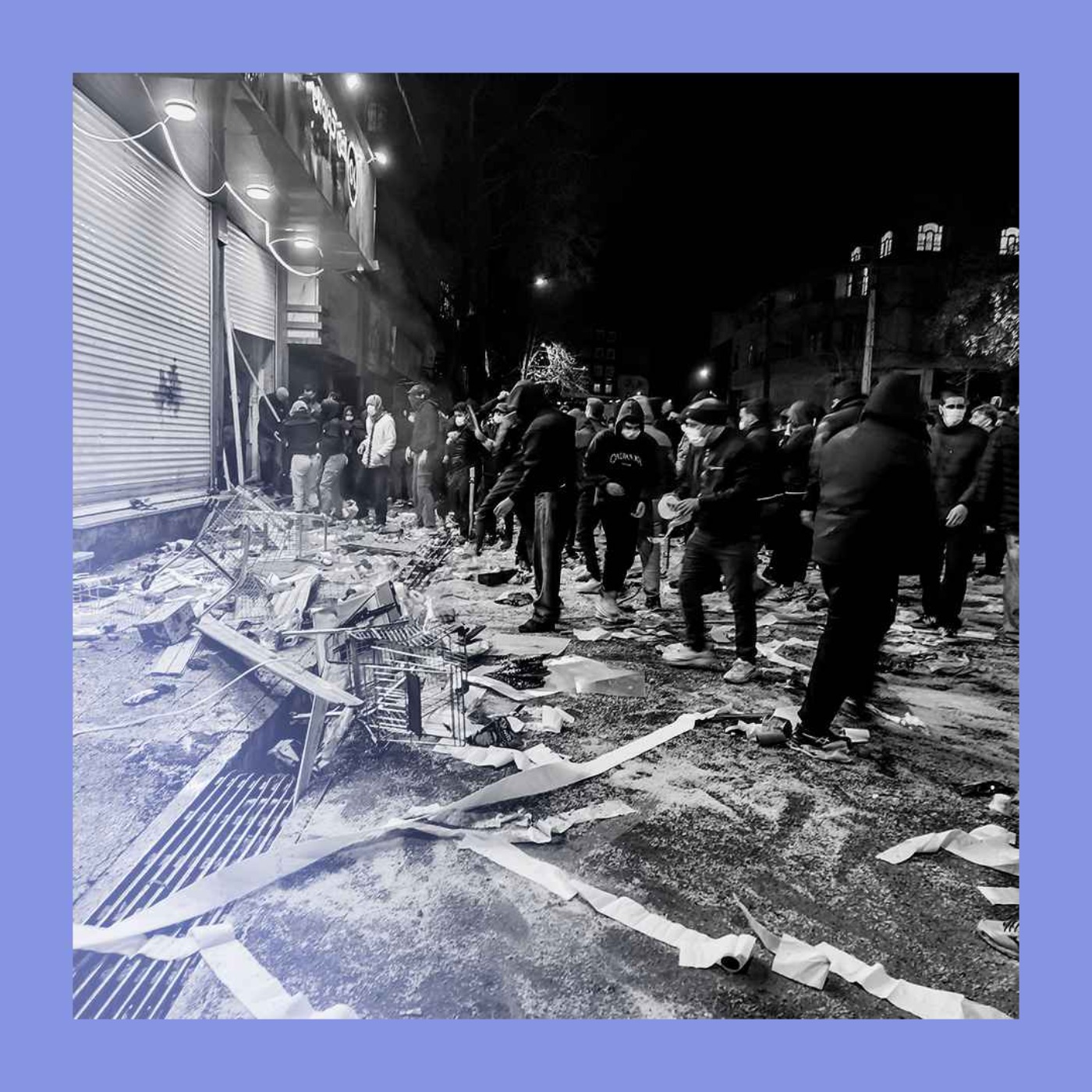
The progression of protest slogans from demanding a vote recount in 2009 ('Where is my vote?') to calling for regime overthrow today ('Death to the supreme leader') indicates a fundamental change. Protestors no longer seek to work within the existing system but aim to dismantle it entirely.
The current Iranian protests are uniquely potent because the regime is at its weakest geopolitically. The loss of regional proxies like Hezbollah and Hamas, coupled with key ally Russia's preoccupation with Ukraine, has left the Iranian government more isolated and vulnerable than during any previous wave of unrest.