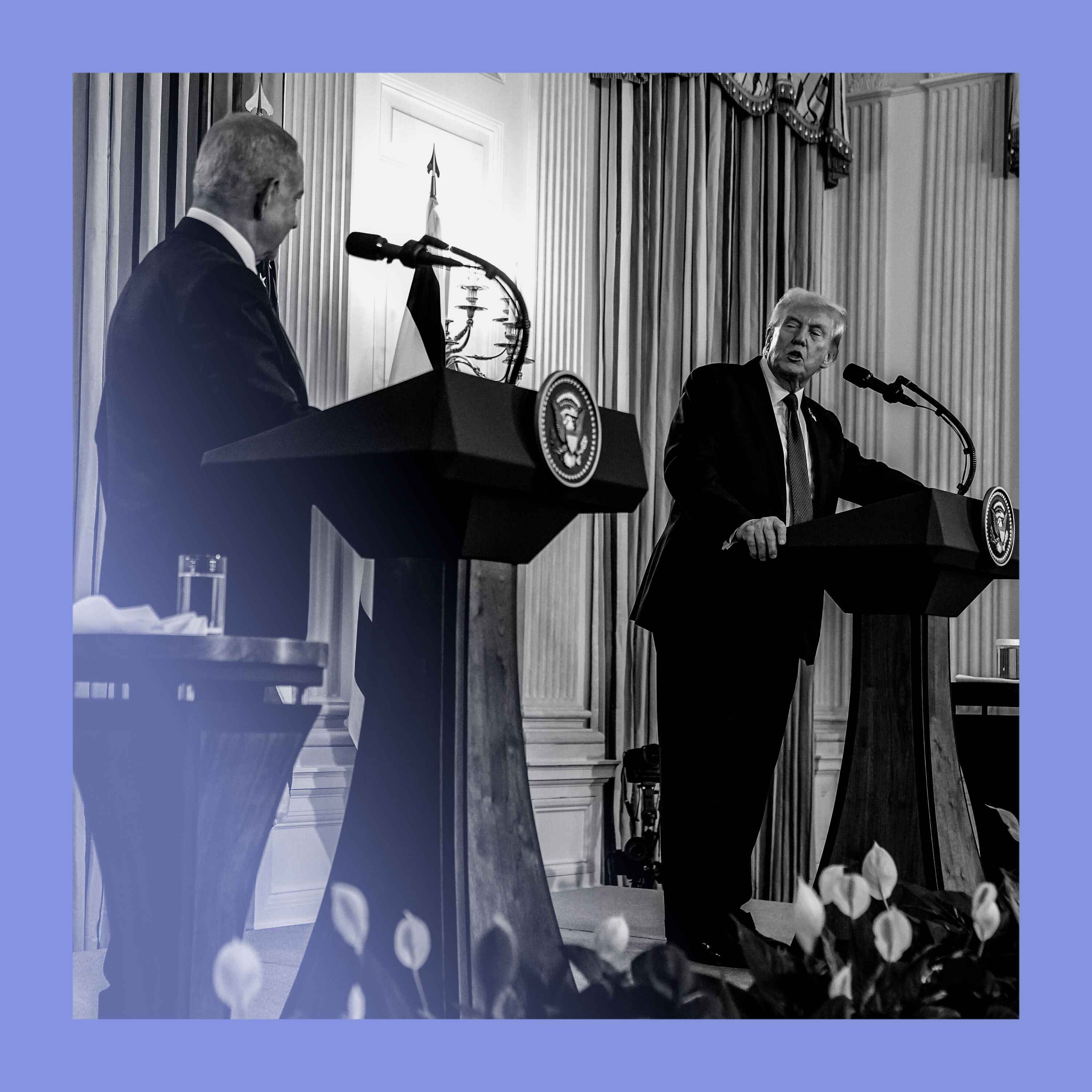
The proposed peace deal’s elements have been discussed for months. The breakthrough isn't the plan itself, but President Trump's willingness to strong-arm Israeli Prime Minister Netanyahu into agreement, a tactic previously avoided by both Trump and his predecessor Joe Biden.
The 20-point plan calls for an international force to disarm Hamas. However, a negotiator revealed that no country has actually committed troops to this force. This critical gap in implementation threatens the entire long-term viability of the deal, as it is unclear who would enforce disarmament.
While new competitors and shifting fashion trends are challenges, a core issue is Lululemon's strategy. They spend only 5% of revenue on marketing, relying on word-of-mouth. Competitors like On spend 10%, enabling high-profile celebrity deals and partnerships that Lululemon lacks, ceding cultural relevance.
Israeli PM Netanyahu's acceptance of the peace plan is a study in contradiction. While publicly endorsing the deal, he immediately rejected a key component: a role for the Palestinian Authority in post-war Gaza. This tactic creates 'wiggle room' and signals a lack of genuine buy-in, challenging the deal's future.
While poor sanitation and underfunded services contribute, the core reason Indian cities struggle with stray animals is cultural. Strong animal protection laws are reinforced by religious beliefs that revere cows, monkeys, and snakes. This creates social opposition to scientific management, such as culling or relocating animals.
Lululemon disrupted giants like Nike by being fashionable and new. Now, as the third-largest sportswear company, it has become the incumbent. The CEO admits they 'relied too heavily on some of our core franchises,' failing to innovate and losing their edge to newer, more exciting brands.