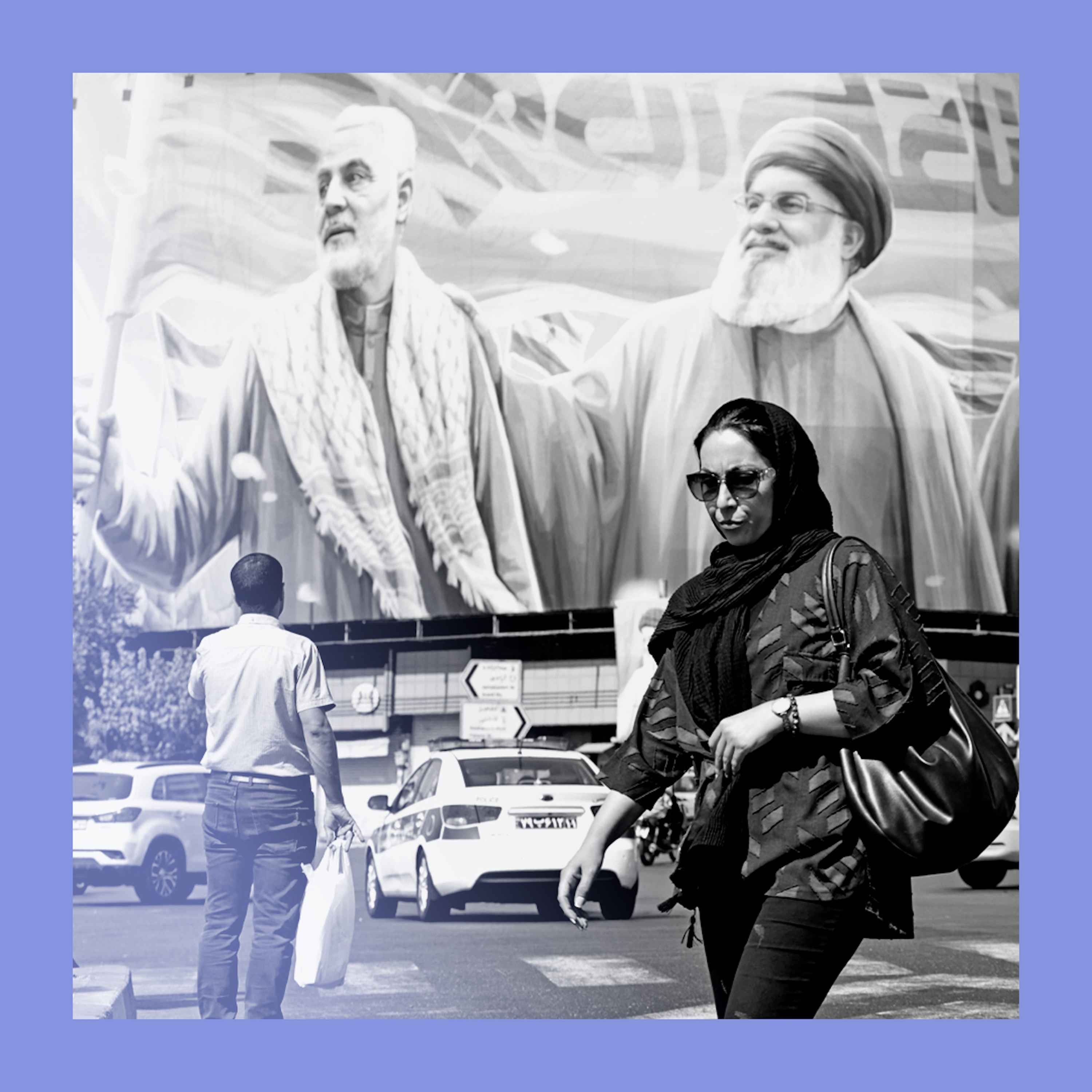
Facing severe economic pressure from sanctions and inflation, the Iranian government has relaxed enforcement of the hijab law. This is a calculated concession to appease the population and release social pressure, effectively trading social freedom for economic stability without ceding significant political power.
While state-run postal services like the USPS face collapse, some privatized counterparts are successfully reinventing themselves. Italy's Poste Italiane, for example, thrives by offering banking and insurance services, turning post offices into profitable, diversified service hubs that offset the terminal decline in traditional mail.
Meaningful reform in Iran is unlikely until the succession of the 86-year-old Supreme Leader is resolved. Deep uncertainty over who will hold power paralyzes the political system, preventing any faction from making significant changes and forcing the country into a holding pattern until the leadership transition occurs.
Contrary to the 'winner-takes-all' narrative, the rapid pace of innovation in AI is leading to a different outcome. As rival labs quickly match or exceed each other's model capabilities, the underlying Large Language Models (LLMs) risk becoming commodities, making it difficult for any single player to justify stratospheric valuations long-term.
A new AI investment model involves tech giants like Microsoft funding labs like Anthropic, which then spend more on the investors' cloud platforms. This self-referential 'circularity' is now viewed with suspicion by public markets, causing share prices to drop—a stark reversal from the initial hype that surrounded OpenAI's partnerships.
Iran's foreign minister is signaling willingness to restart nuclear talks by claiming its enriched uranium is buried 'under the rubble' of bombed sites. This creates a strategic opening for a deal proposing a 'zero weapon' but not 'zero enrichment' policy, effectively using the destruction of its facilities as a new precondition for diplomacy.