Get your free personalized podcast brief
We scan new podcasts and send you the top 5 insights daily.
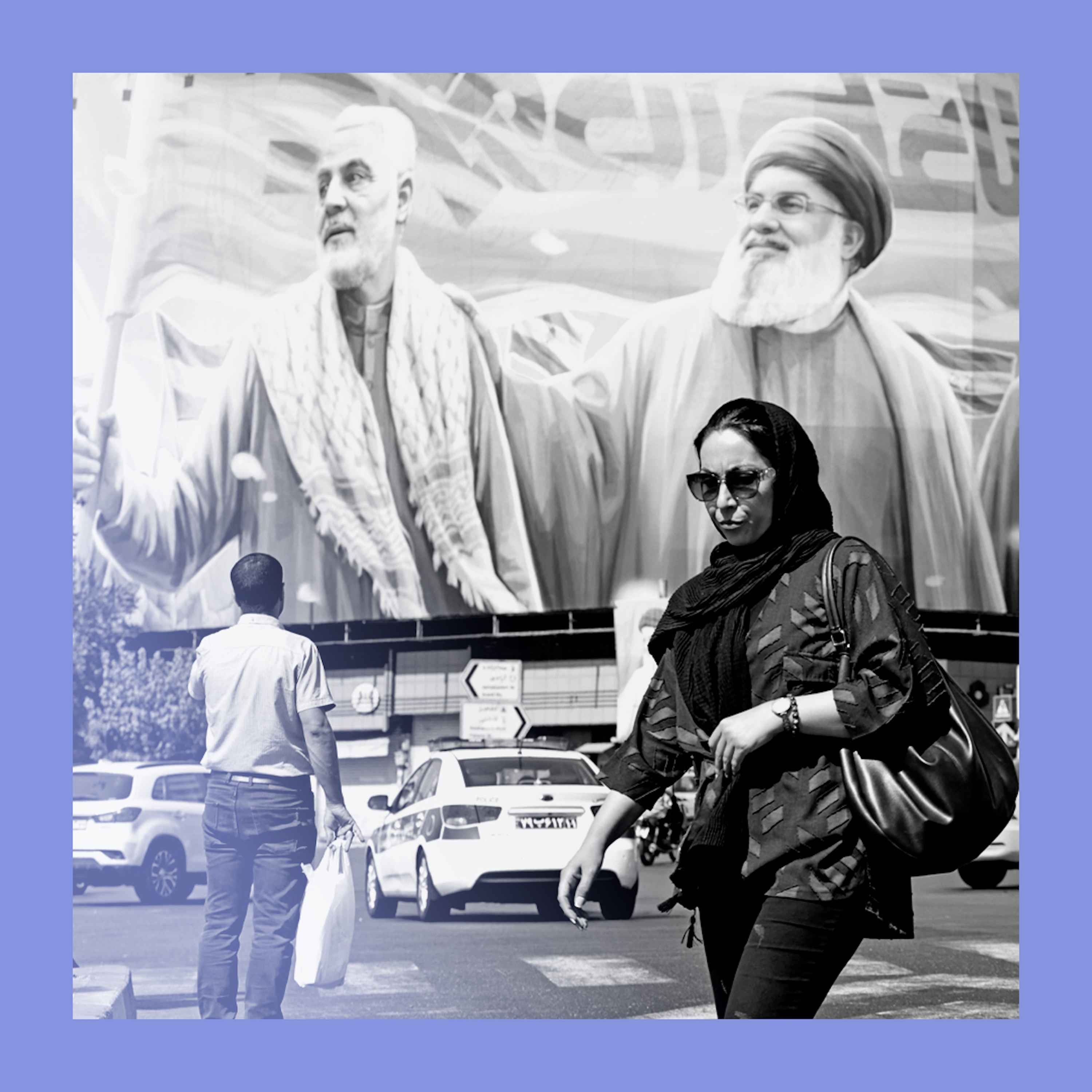
Facing severe economic pressure from sanctions and inflation, the Iranian government has relaxed enforcement of the hijab law. This is a calculated concession to appease the population and release social pressure, effectively trading social freedom for economic stability without ceding significant political power.
Related Insights
Meaningful reform in Iran is unlikely until the succession of the 86-year-old Supreme Leader is resolved. Deep uncertainty over who will hold power paralyzes the political system, preventing any faction from making significant changes and forcing the country into a holding pattern until the leadership transition occurs.
Rajan suggests that a central bank's reluctance to aggressively fight inflation may stem from a fear of being blamed for a potential recession. In a politically charged environment, the institutional risk of becoming the 'fall guy' can subtly influence policy, leading to a more dovish stance than economic data alone would suggest.

Widespread suffering alone doesn't trigger a revolution. Historically, successful uprisings require a politically savvy, well-organized group with a clear agenda and influential leadership. Disparate and unorganized populations, no matter how desperate, tend to see their energy dissipate without causing systemic change.

Unlike 2022, when stimulus savings allowed consumers to absorb price hikes, the financially depleted middle class now lacks the ability to pay more. This forces them to push back on price increases, creating significant consumer resistance that acts as a powerful, albeit painful, check on a new round of inflation from tariffs or other cost pressures.

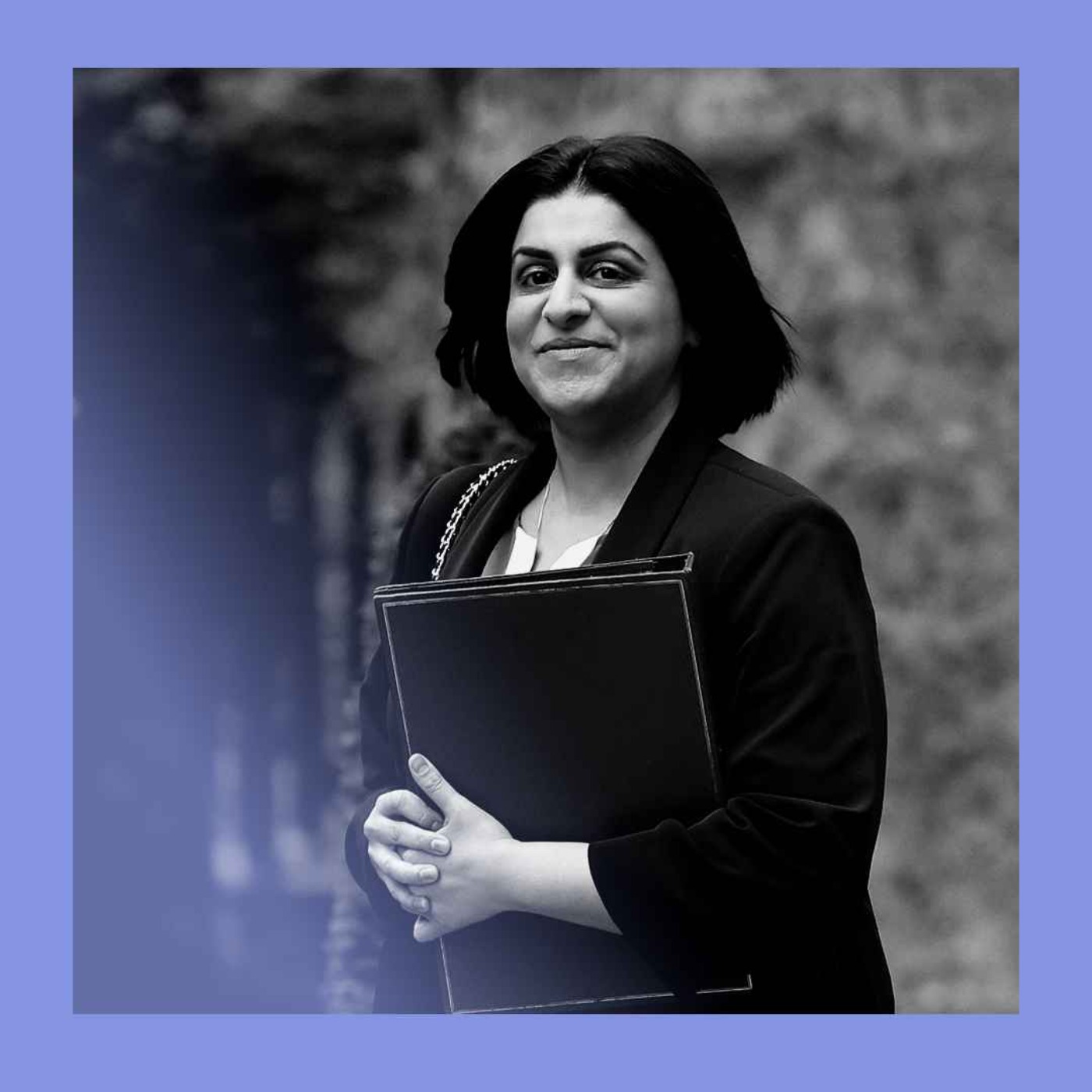
In a counter-intuitive argument, the UK's Home Secretary, herself the daughter of immigrants, posits that restricting immigration is necessary to protect social harmony. The theory is that a perceived lack of control fuels public panic and racism, so tightening controls will calm tensions and ultimately shore up multiculturalism.
Economic uncertainty and anxiety are the root causes of political violence. When governments devalue currency through inflation and amass huge debts, they create the stressful conditions that history shows consistently lead to civil unrest.

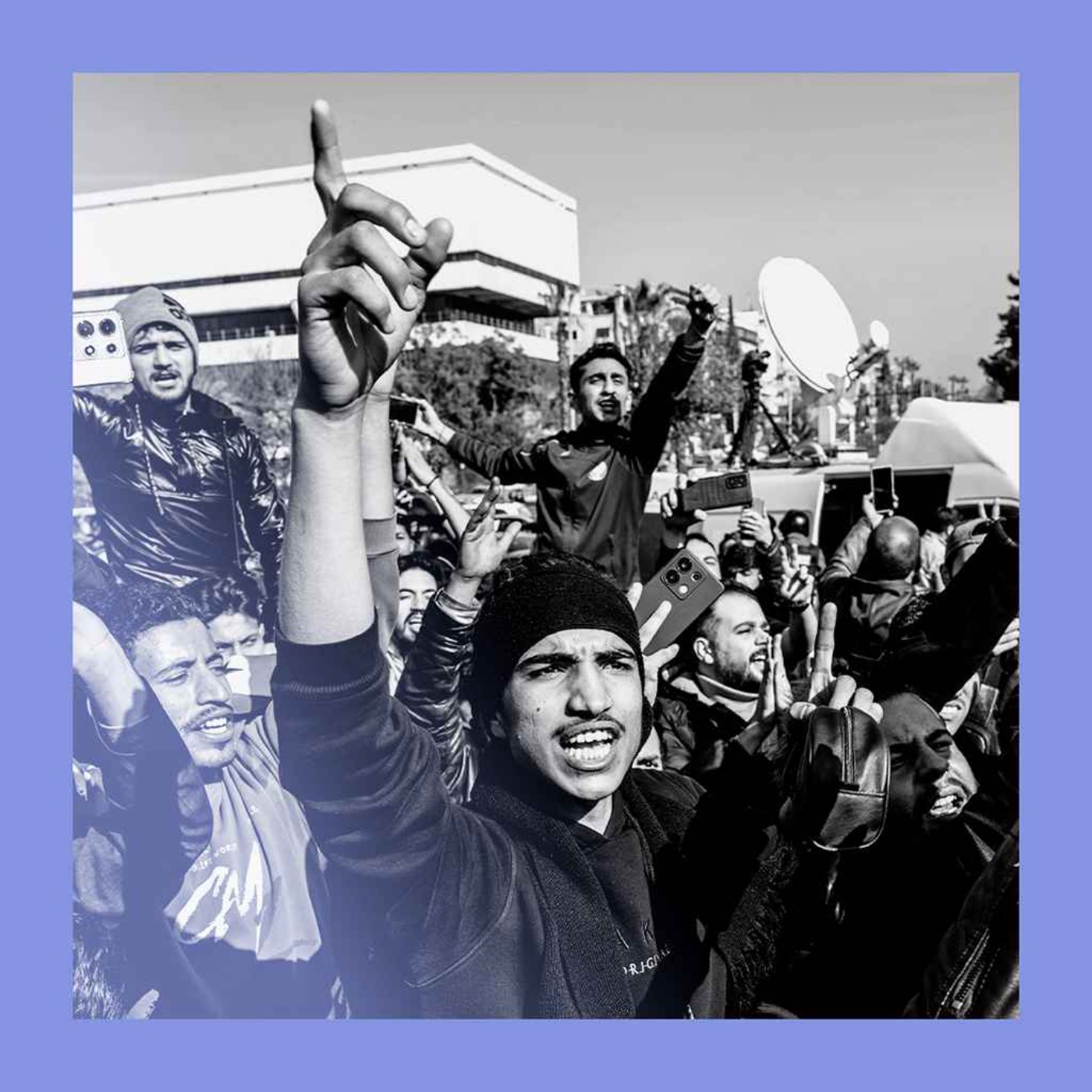
Contrary to expectations of post-liberation prosperity, the new Syrian government has worsened the economic situation for many citizens. By firing hundreds of thousands of state employees and cutting subsidies, the regime has plunged some of the country's poorest into greater financial distress, demonstrating that political freedom doesn't guarantee economic stability.
Dara Khosrowshahi theorizes the Shah of Iran's regime collapsed because he modernized too fast, focused excessively on military power over industrial growth, and failed to bring along rural populations and integrate Islam into his vision, creating a power vacuum for the Islamic regime to exploit.

In a clear signal of its pro-natalist policy, the Chinese government is ending a 33-year tax exemption on contraceptives while simultaneously making matchmaking services tax-free. This carrot-and-stick approach aims to socially engineer a higher birth rate to combat its demographic crisis.

History demonstrates a direct, causal link between widening inequality and violent societal collapse. When a large portion of the population finds the system unbearable, it leads to events like the French Revolution—a blunt cause-and-effect relationship often sanitized in modern discourse.
