Get your free personalized podcast brief
We scan new podcasts and send you the top 5 insights daily.
The peace deal materialized only after President Trump became personally and seriously invested. His direct pressure on Prime Minister Netanyahu was the critical factor in shifting Israel's position, suggesting that previous, less forceful American approaches missed opportunities to end the conflict sooner.

Related Insights
Trump's erratic approach isn't random; it's a strategy to create chaos and uncertainty. This keeps adversaries off-balance, allowing him to exploit openings that emerge, much like a disruptive CEO. He is comfortable with instability and uses it as a tool for negotiation and advantage.

Rather than taking a "holier than thou" stance and refusing to engage with governments that have committed atrocities, it is more effective to build bridges. Cooperation invites them into the 21st century and aligns them with your values, whereas isolationism is counterproductive.

Unlike predecessors who acted as "Israel's lawyer," Trump's administration applied coercive pressure to both Israeli and Hamas leadership. According to diplomats, this impartial approach was the key to brokering a peace deal where past efforts failed.
Trump's focus on negotiations and high-stakes deals over ideology is a direct result of his mentorship by Roy Cohn, a lawyer known for representing organized crime figures and teaching Trump the art of the backroom deal. This transactional approach prioritizes optics and perceived 'wins' over policy substance.

Trump's 'hokey pokey' with tariffs and threats isn't indecisiveness but a consistent strategy: make an agreement, threaten a severe and immediate penalty for breaking it, and actually follow through. This makes his threats credible and functions as a powerful deterrent that administrations lacking his perceived volatility cannot replicate.

The only historically effective method to resolve deep-rooted religious and ideological conflicts is to shift focus toward shared economic prosperity. Alliances like the Abraham Accords create tangible incentives for peace that ideology alone cannot, by making life demonstrably better for citizens.

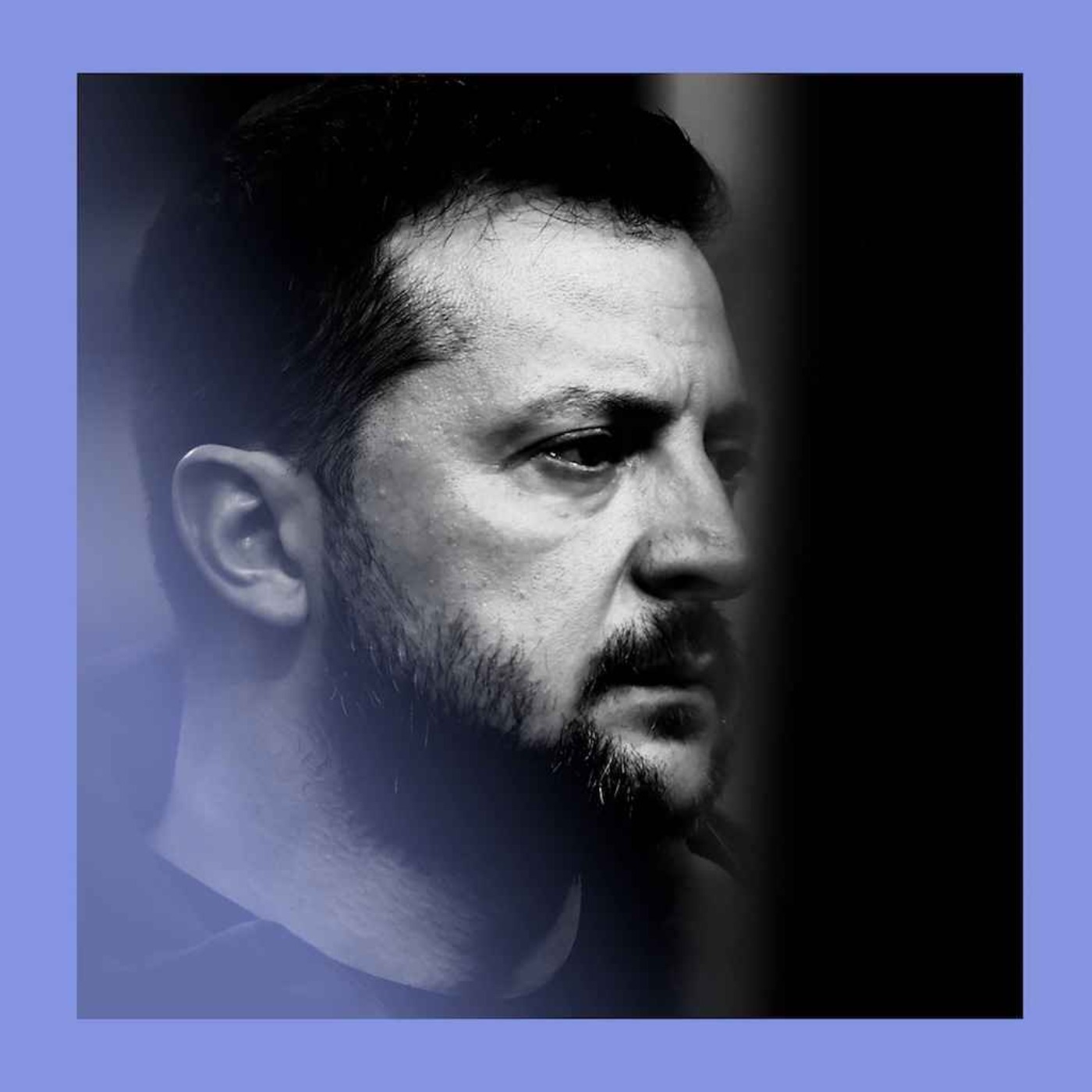
A peace plan, largely drafted without Ukrainian input and containing unfavorable terms, has emerged just as President Zelenskyy's government faces its biggest corruption crisis. This timing suggests the US may be using Ukraine's internal turmoil to push for otherwise unacceptable concessions.
The breakthrough was achieved by splitting the agreement into phases. The initial, easier phase focuses on hostage release and partial withdrawal. The most contentious issues, like post-war governance and Hamas's disarmament, were intentionally postponed, creating both immediate success and future risk.
A former National Security Council staffer observed that President Trump's decisions often seemed counterintuitive in the moment but were later revealed as brilliant strategic "chess moves." This pattern built a high degree of trust among staff, enabling them to execute his vision without always understanding the immediate rationale.

Leaked communications reveal a conscious strategy to manipulate Donald Trump in negotiations. By advising Russian counterparts to begin calls by praising Trump's past deals, negotiators like Witkoff leverage his psychological vulnerabilities to steer conversations toward a favorable outcome.
