Get your free personalized podcast brief
We scan new podcasts and send you the top 5 insights daily.
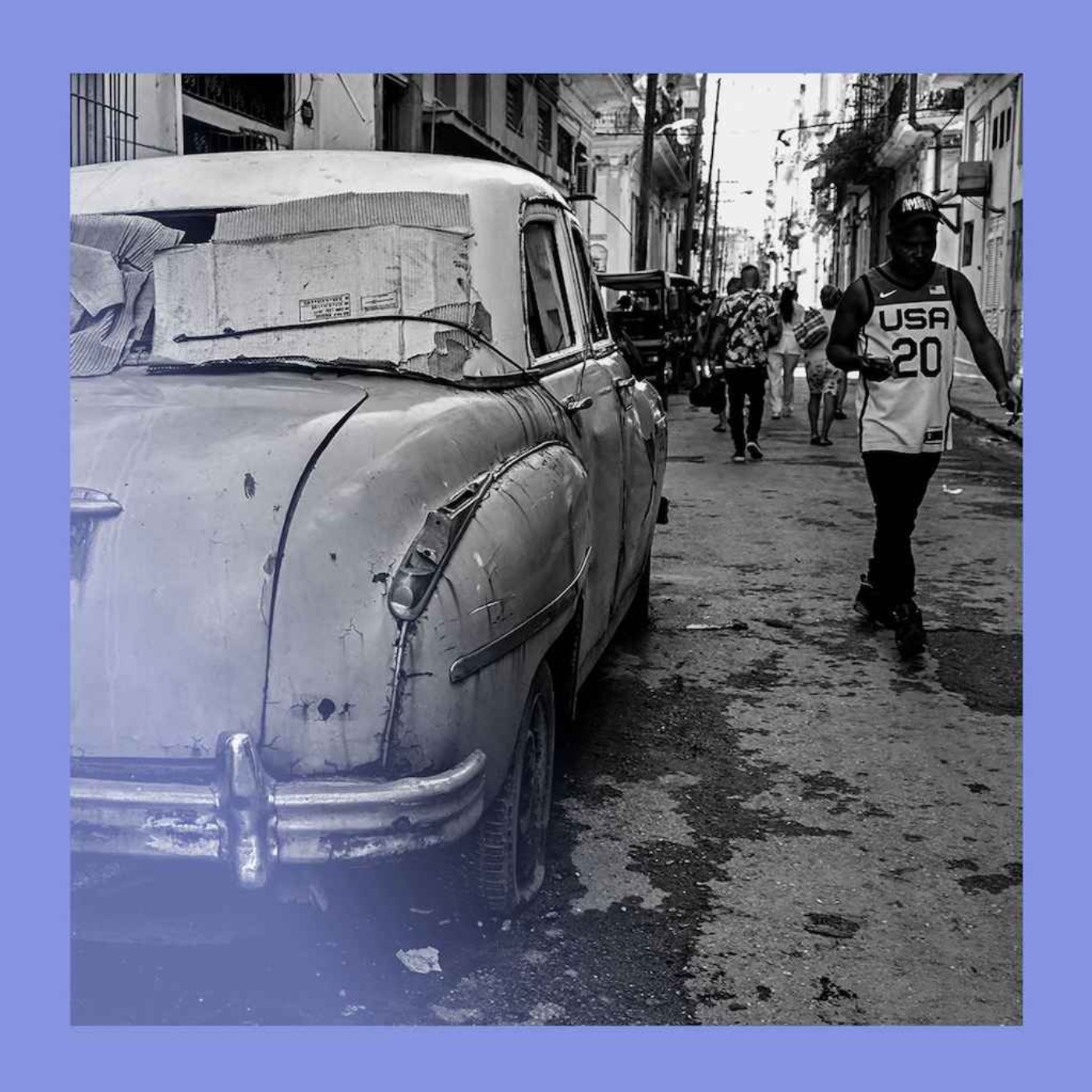
Despite facing extreme economic scarcity, crippling power outages, and decades of US pressure, the Cuban government's collapse is not imminent. Analysts warn against underestimating the regime's staying power, citing its highly disciplined organization and a core of revolutionaries who have defied predictions of their demise.
Related Insights
Observing the USSR's fall, the Chinese Communist Party drew key lessons to ensure its survival: use overwhelming force against dissent, prioritize the Party's power monopoly even at the cost of economic efficiency, and aggressively assimilate ethnic minorities to prevent separatism.

The successful removal of Maduro is a significant failure for Cuban intelligence services, which have a long history of protecting allied regimes in Latin America. For decades, Cuba has 'punched above its weight,' providing a security shield to leaders like Maduro. This event raises questions about the decline of their once-feared capabilities.
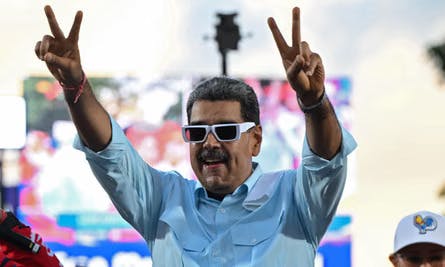
According to Maria Corina Machado, Nicolás Maduro's rise to power was not an internal decision but a direct choice by the Cuban government. Having been trained in Cuba and demonstrating total loyalty to the Castro regime, Maduro was selected to ensure Cuba's continued influence and control over Venezuela.

Private small and medium-sized businesses, legalized in 2021, have become vital for Cubans' survival, paying up to 10 times state salaries. However, the Communist Party remains ambivalent, creating a climate of legal uncertainty for entrepreneurs who are essential to the economy.
Once a destination for American economic opportunity, Venezuela's economy imploded after nationalizing its top industry and imposing widespread price controls. This recent, dramatic collapse serves as a powerful, real-world example of how such policies can lead to ruin, yet they remain popular.
Widespread suffering alone doesn't trigger a revolution. Historically, successful uprisings require a politically savvy, well-organized group with a clear agenda and influential leadership. Disparate and unorganized populations, no matter how desperate, tend to see their energy dissipate without causing systemic change.

Venezuela's remaining leadership can adopt a strategy of "playing for time." By appearing cooperative while delaying substantive changes, they can wait for events like the US midterms to increase domestic political pressure on the administration, making sustained intervention unpopular and difficult to maintain. The weaker state's best defense is the superpower's internal clock.
Beyond its widely reported economic woes, Cuba is experiencing a severe demographic crisis. A leading demographer estimates that nearly a quarter of the entire population has emigrated in just the last five to six years, representing a profound brain drain and a challenge to the nation's future stability.
A dominant system, like the Soviet Union, doesn't simply die; it collapses when its people can envision and transition to a viable alternative (e.g., the US model). The current US-led order faces multiple potential successors—crypto, China's centralized model—which accelerates its potential decline.

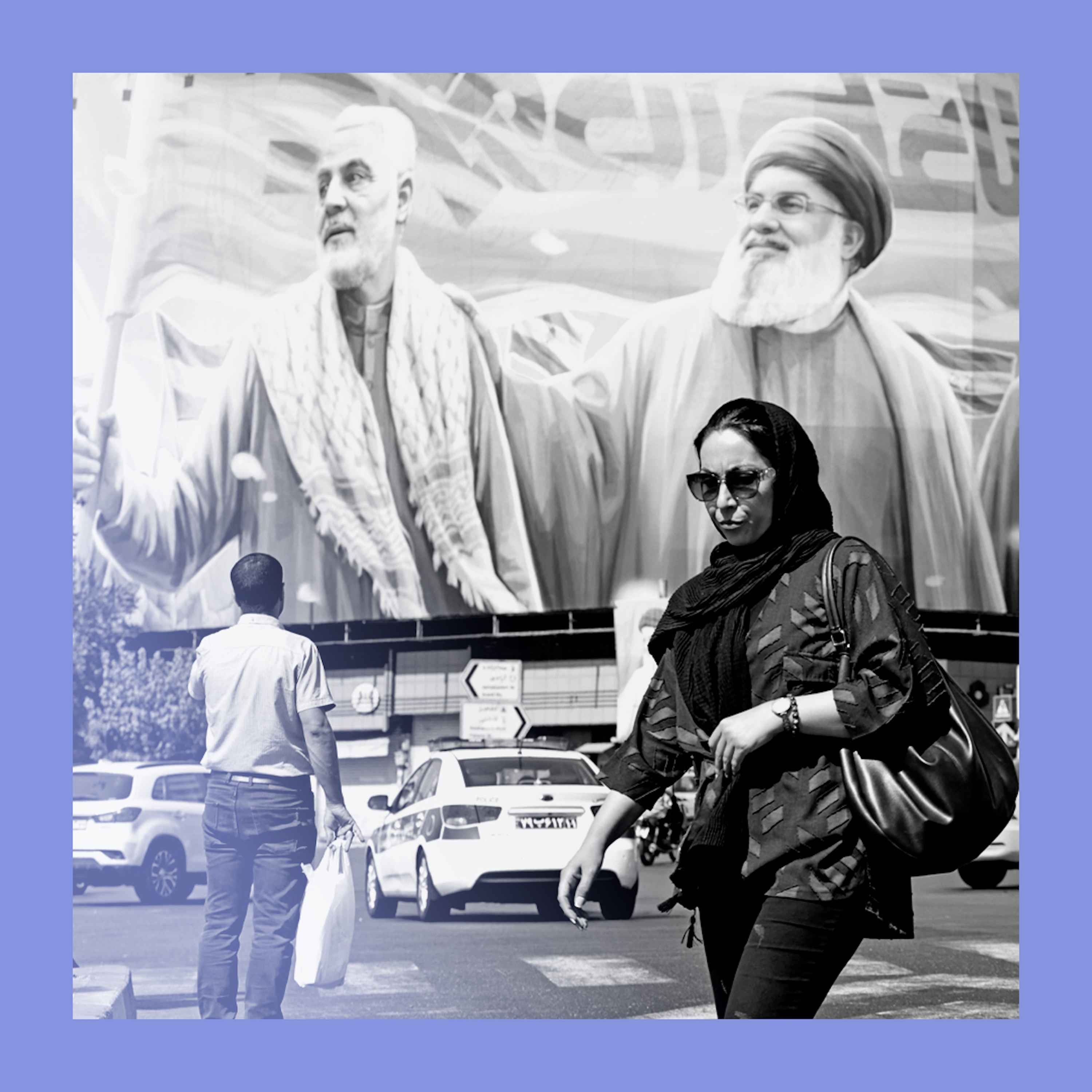
Facing severe economic pressure from sanctions and inflation, the Iranian government has relaxed enforcement of the hijab law. This is a calculated concession to appease the population and release social pressure, effectively trading social freedom for economic stability without ceding significant political power.