Get your free personalized podcast brief
We scan new podcasts and send you the top 5 insights daily.
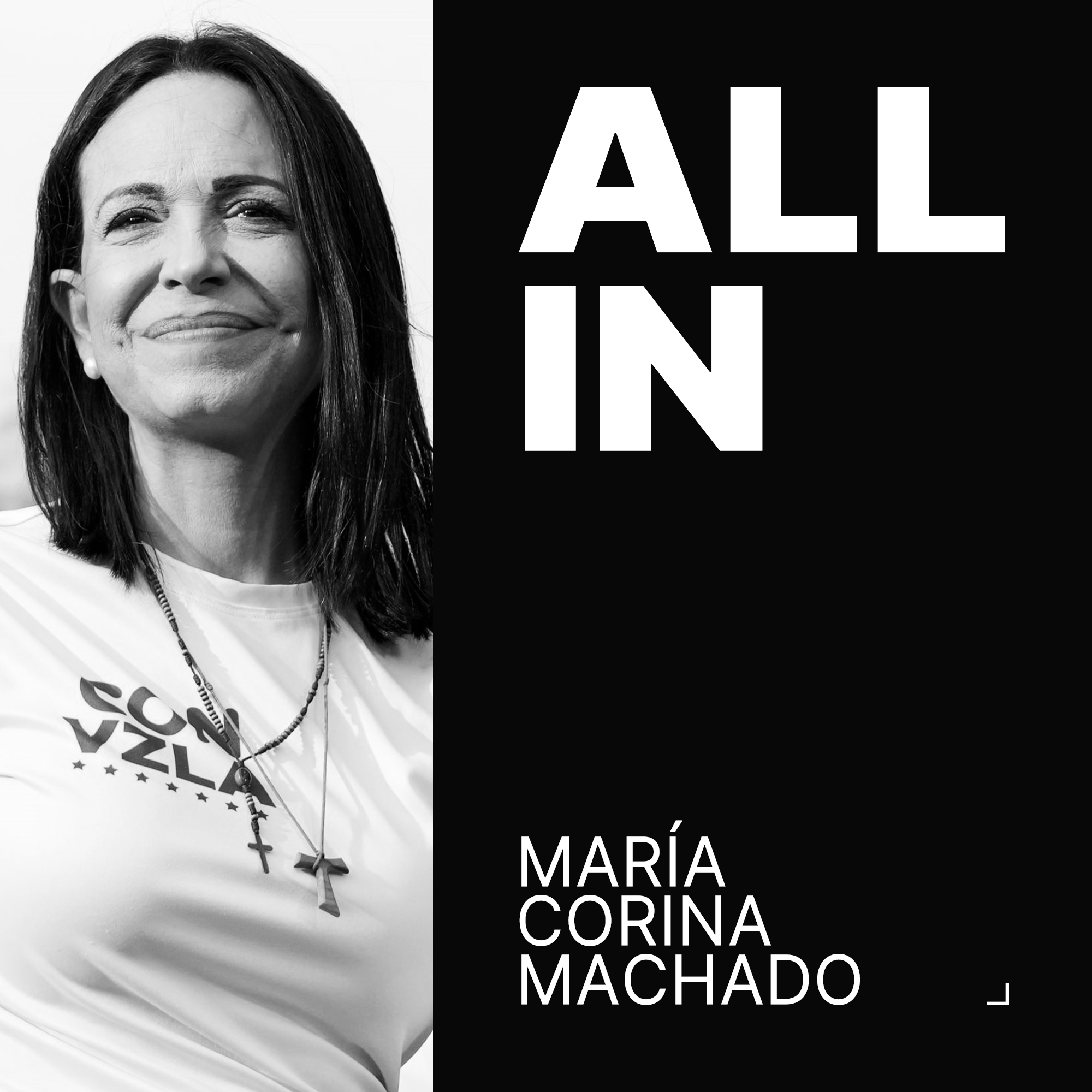
According to Maria Corina Machado, Nicolás Maduro's rise to power was not an internal decision but a direct choice by the Cuban government. Having been trained in Cuba and demonstrating total loyalty to the Castro regime, Maduro was selected to ensure Cuba's continued influence and control over Venezuela.
Related Insights
Once a destination for American economic opportunity, Venezuela's economy imploded after nationalizing its top industry and imposing widespread price controls. This recent, dramatic collapse serves as a powerful, real-world example of how such policies can lead to ruin, yet they remain popular.
Authoritarian leaders like Hugo Chavez systematically dismantle democracy from within after winning elections. They replace competent individuals in the military and government with those who are absolutely loyal, destroying meritocracy to ensure the state apparatus serves the regime, not the people.
The public narrative of fighting a "war on drugs" in Venezuela is a distraction. The true purpose of the US military consolidation in the Caribbean is to project power against China, which has massive investments, shipping routes, and influence in the region. The conflict is a strategic message in an undeclared cold war.
Venezuela's bonds have rallied significantly as the market prices in a swift, positive political outcome enabling debt restructuring. Analysts, however, are more cautious, warning that the path to a stable, internationally-recognized government could be much longer and more complex than current market sentiment implies.

Venezuela's state-owned oil industry centralized wealth in the government, creating a populace feeling excluded. This enabled Hugo Chavez's populist rise, as he could promise to redistribute state-controlled resources, an appealing message amid corruption and low oil prices.
The Maduro regime is not just a corrupt petrostate; it is a diversified criminal enterprise. It has expanded into drug trafficking, gold smuggling, and human trafficking, turning Venezuela into a safe haven for global criminal networks, terrorist groups, and adversaries like Russia and Iran.
To crush popular dissent after losing an election, the Maduro regime escalated to what international bodies label "state terrorism." This included imprisoning not just activists but also their family members and even citizens who merely posted a supportive picture online, aiming to terrify the entire population into silence.
The public narrative of fighting narco-terrorism in Venezuela is a red herring. The true strategic goal is to justify a U.S. military presence in the Caribbean to counter China's growing economic and military investments in the region, including control of key shipping routes and military partnerships.
The conflict is not primarily about oil or drugs, but a strategic move to reassert U.S. dominance in the Western Hemisphere. As China solidifies its influence in the East, the U.S. is 'drawing a line' to counter China's partnerships (like with Venezuela) in its own sphere of influence.
Maria Corina Machado describes her generation as one that held politics in contempt and took democracy for granted. This widespread apathy created a power vacuum that allowed Hugo Chavez to rise, teaching a harsh lesson that freedom requires constant and active civic engagement to be preserved.