Get your free personalized podcast brief
We scan new podcasts and send you the top 5 insights daily.
The successful removal of Maduro is a significant failure for Cuban intelligence services, which have a long history of protecting allied regimes in Latin America. For decades, Cuba has 'punched above its weight,' providing a security shield to leaders like Maduro. This event raises questions about the decline of their once-feared capabilities.
Related Insights
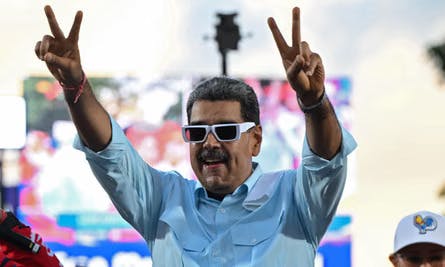
According to Maria Corina Machado, Nicolás Maduro's rise to power was not an internal decision but a direct choice by the Cuban government. Having been trained in Cuba and demonstrating total loyalty to the Castro regime, Maduro was selected to ensure Cuba's continued influence and control over Venezuela.

The raid on Maduro is presented as an opportunity for special forces units to demonstrate their value to an administration wary of large, troop-intensive occupations. This "surgical strike" model offers a politically palatable alternative to the costly nation-building efforts of the 2000s in Iraq and Afghanistan.
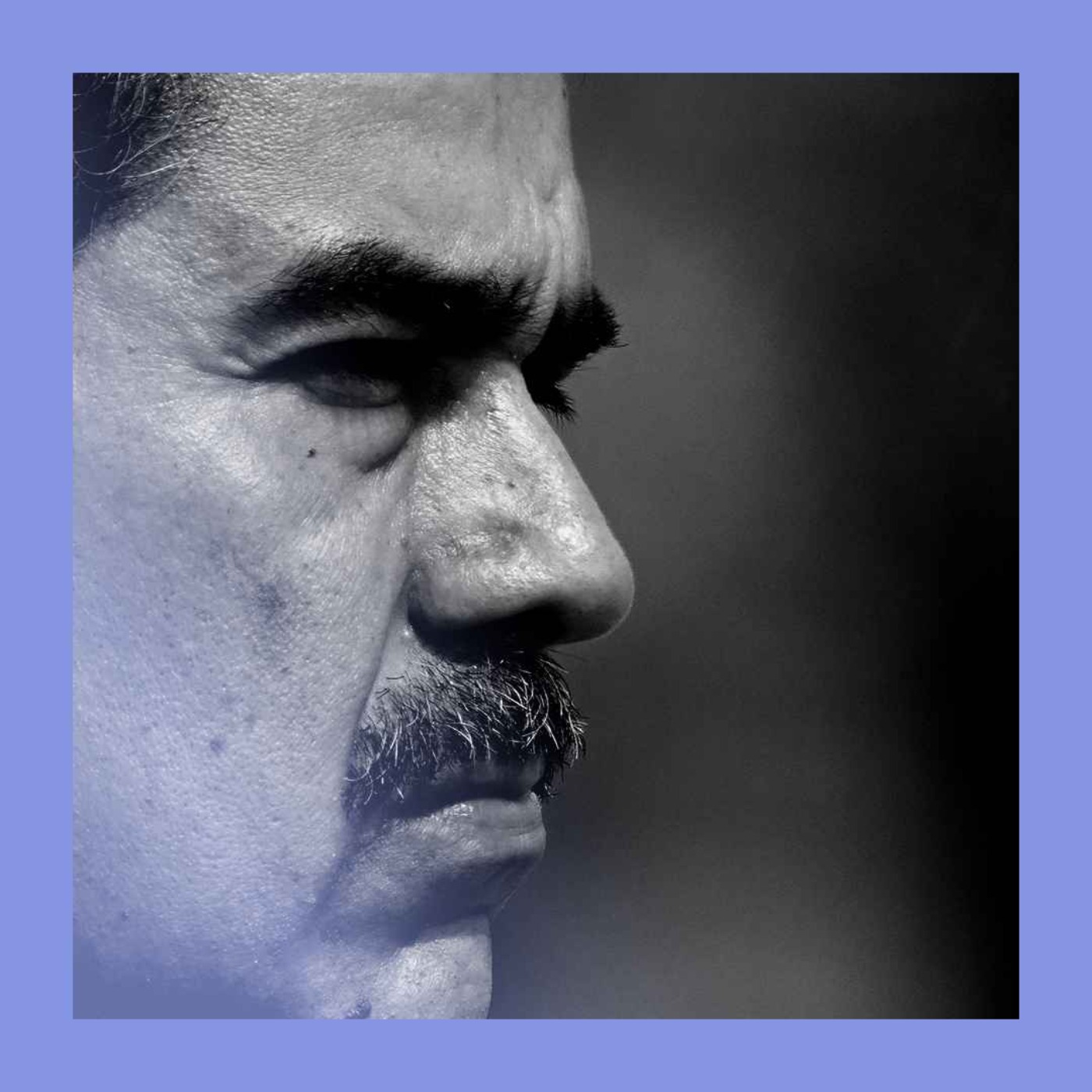
The U.S. operation to capture Maduro serves as a real-world case study for China's potential 'decapitation' strike against Taiwan. China has already rehearsed such scenarios in mock-ups of Taipei's presidential palace. This event demonstrates the feasibility of a quick, surgical strike, which is more aligned with the CCP's goals than a costly amphibious invasion.
The Trump administration is depicted as ignoring Venezuela's legitimately elected opposition leader and instead choosing to work with the former vice president. This suggests a strategy prioritizing controllable stability with a regime figure over supporting a democratically elected but potentially less predictable leader.
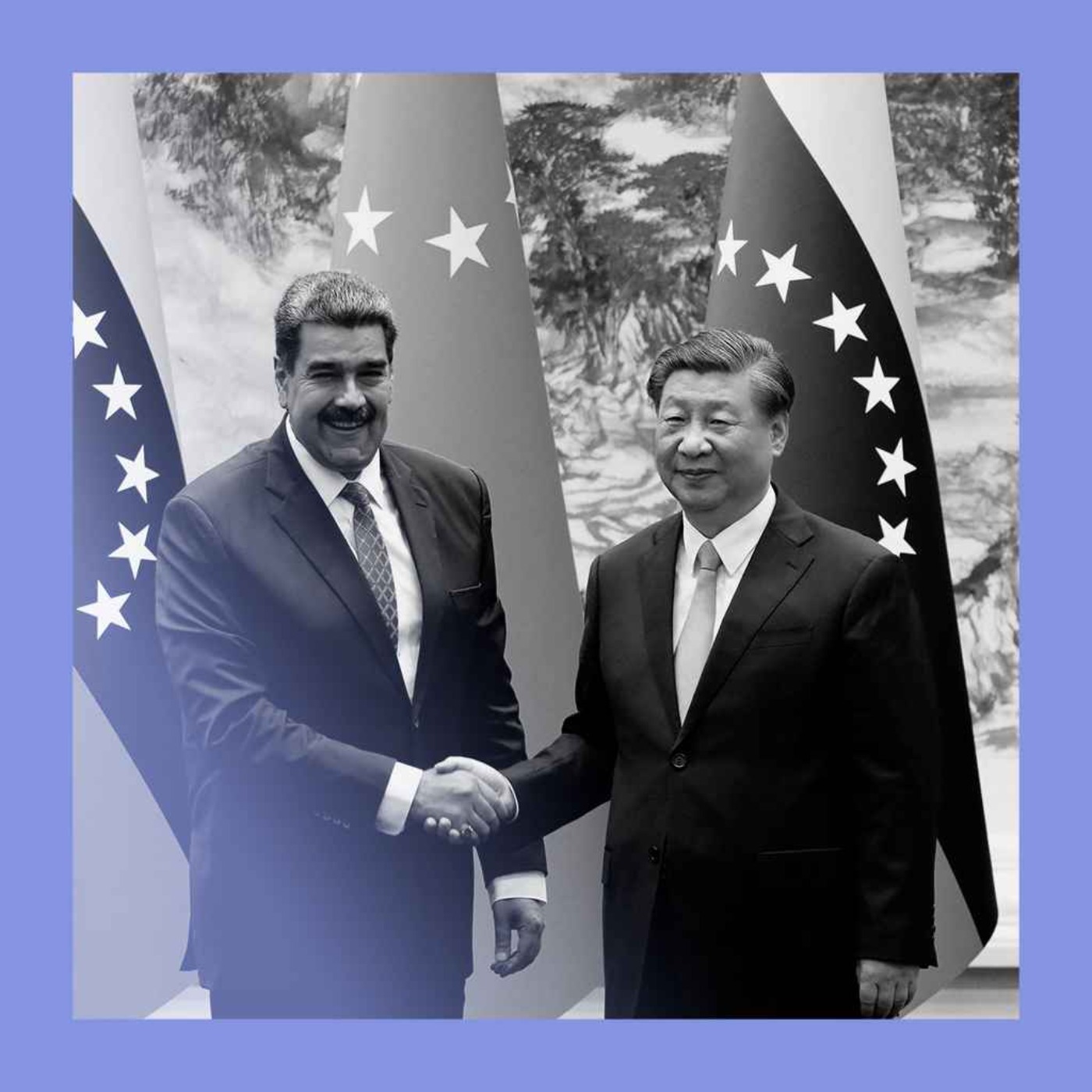
The American action in Venezuela was likely a strategic message to other nations, particularly in Latin America, that an alliance with China does not guarantee protection from US intervention and may carry unforeseen downsides.
Authoritarian leaders who publicly mock or dismiss threats risk triggering a military response driven by personal pride. Venezuelan President Maduro's televised dancing was reportedly perceived by the Trump administration as calling their bluff, demonstrating how avoiding the appearance of being a 'chump' can become a primary motivator for military action.
Venezuela's remaining leadership can adopt a strategy of "playing for time." By appearing cooperative while delaying substantive changes, they can wait for events like the US midterms to increase domestic political pressure on the administration, making sustained intervention unpopular and difficult to maintain. The weaker state's best defense is the superpower's internal clock.
The "absolutely clinical" US raid to capture Venezuela's president is lauded as a military success. However, historical precedents from Afghanistan in 2001 and Iraq in 2003 show that initial military prowess in toppling a regime is no guarantee of long-term strategic success, which depends on far more complex political factors.
Contrary to the assumption that U.S. military action is unwelcome in the region, polling reveals significant support. 53% of Latin Americans and 64% of the Venezuelan diaspora would back an intervention to remove Nicolas Maduro, highlighting a major disconnect with the skepticism of the American public.

The conflict is not primarily about oil or drugs, but a strategic move to reassert U.S. dominance in the Western Hemisphere. As China solidifies its influence in the East, the U.S. is 'drawing a line' to counter China's partnerships (like with Venezuela) in its own sphere of influence.