Get your free personalized podcast brief
We scan new podcasts and send you the top 5 insights daily.
Initially using a standard carton, Matt O'Hayer was inspired by Stonyfield's founder, who pointed out the egg carton was a "big piece of real estate." This insight prompted Vital Farms to redesign its packaging into a piece of art that tells a story, turning a disposable container into their most powerful tool for capturing attention and driving trial purchases.

Related Insights
Graza's success with a squeeze bottle was quickly copied, proving that a non-patentable innovation gives only a temporary lead. For consumer brands, the only sustainable defense against copycats is to constantly introduce new formats and features to stay ahead.

A market can seem established, but if existing products are visually unappealing and fail to create an emotional connection, a new entrant can win purely on branding and packaging that captures attention and meets a consumer's need state.

Adopting a unique, complex, and more expensive packaging format (the "Bottle Can") required a three-year mission to bring to market. This difficulty created a competitive advantage that competitors couldn't easily replicate, ultimately doubling the rate of sale.
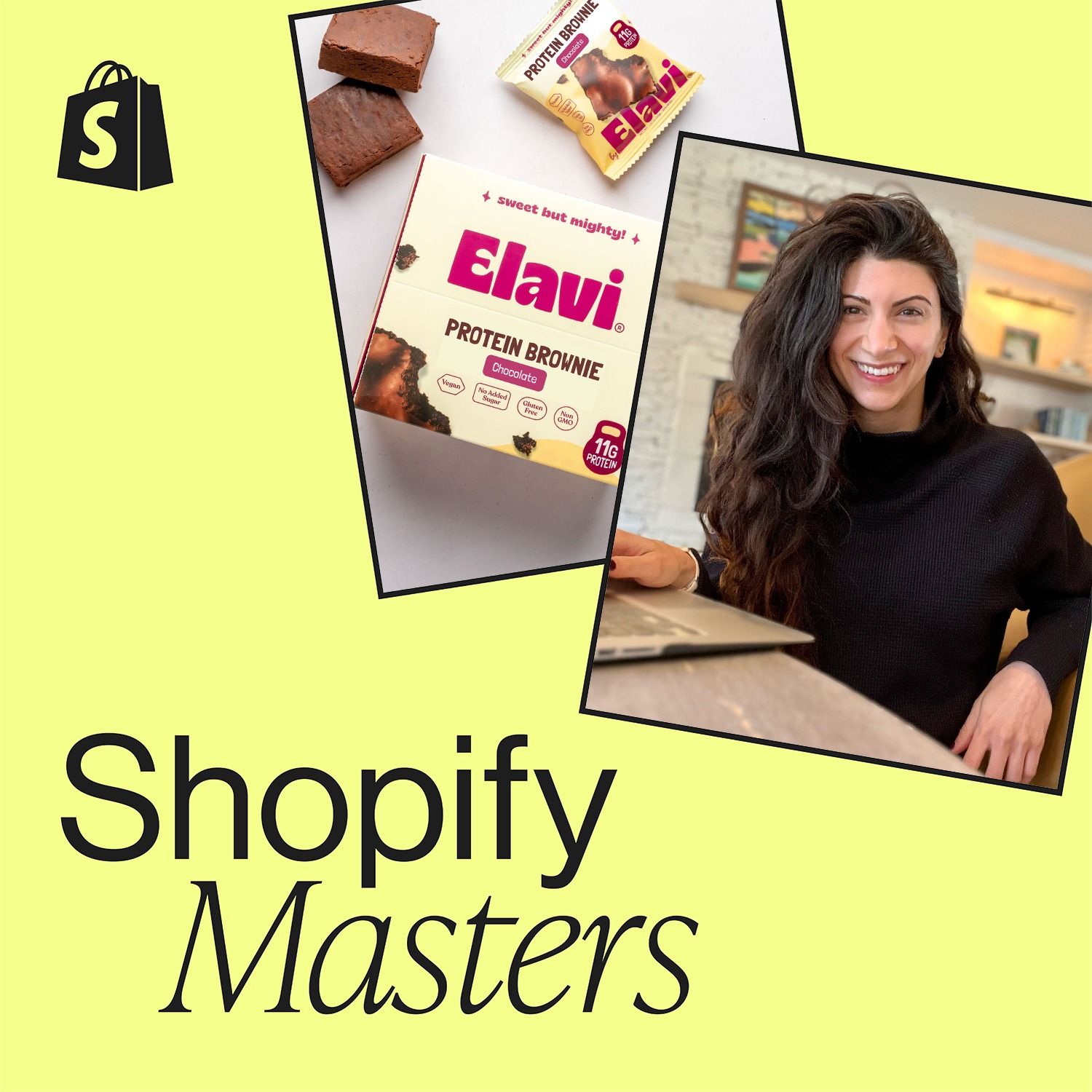
Alave made a bold packaging decision: making the product type (“Protein Brownie”) the main focus, not the brand logo. They gambled that in the split-second a customer looks at a shelf, clearly communicating *what* the product is proves more effective for a new brand than establishing *who* they are. The strategy crushed.
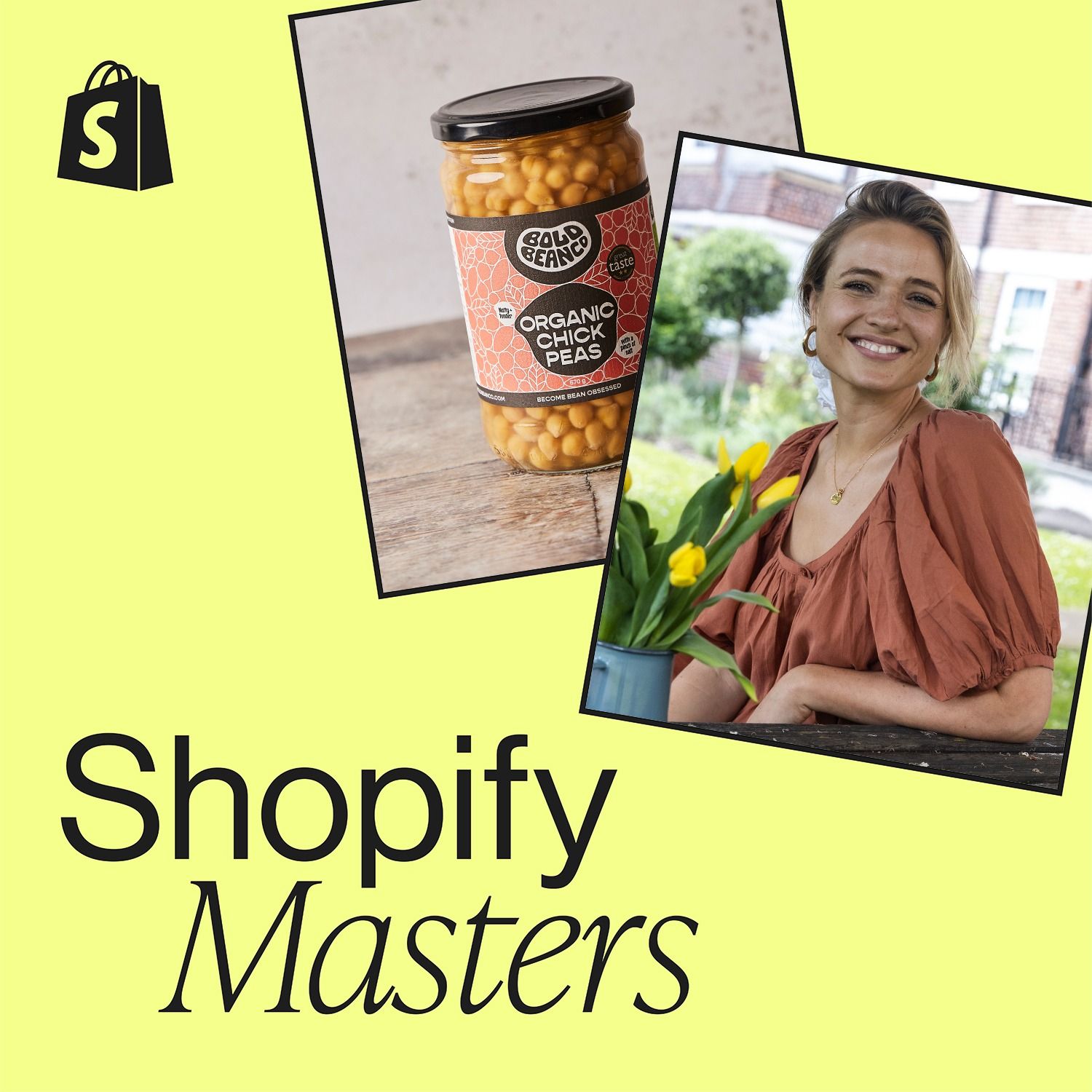
The brand used clear glass jars, initially a byproduct of a superior cooking method, to showcase the beans' quality. This transparency shifted consumer perception from a hidden pantry staple to a premium, display-worthy ingredient, justifying a higher price point.
Most product categories are commodities with minimal functional differences. Success, as shown by Liquid Death in the water category, hinges on building an emotional connection through branding and packaging, which are the primary drivers of consumer choice over minor product benefits.

Founder Jim Cregan's core philosophy is that a product's success hinges on three elements working in perfect harmony: branding (what it says), packaging (how it feels), and ingredients (how it tastes). If one of these pillars is weak, the entire product fails.
For commodity products with low differentiation (e.g., cereal, razors, shampoo), a collectible can be the deciding factor at the point of purchase. It acts as a powerful lever for trial. A consumer might buy for the collectible initially but discover they like the core product, converting them into a long-term customer.

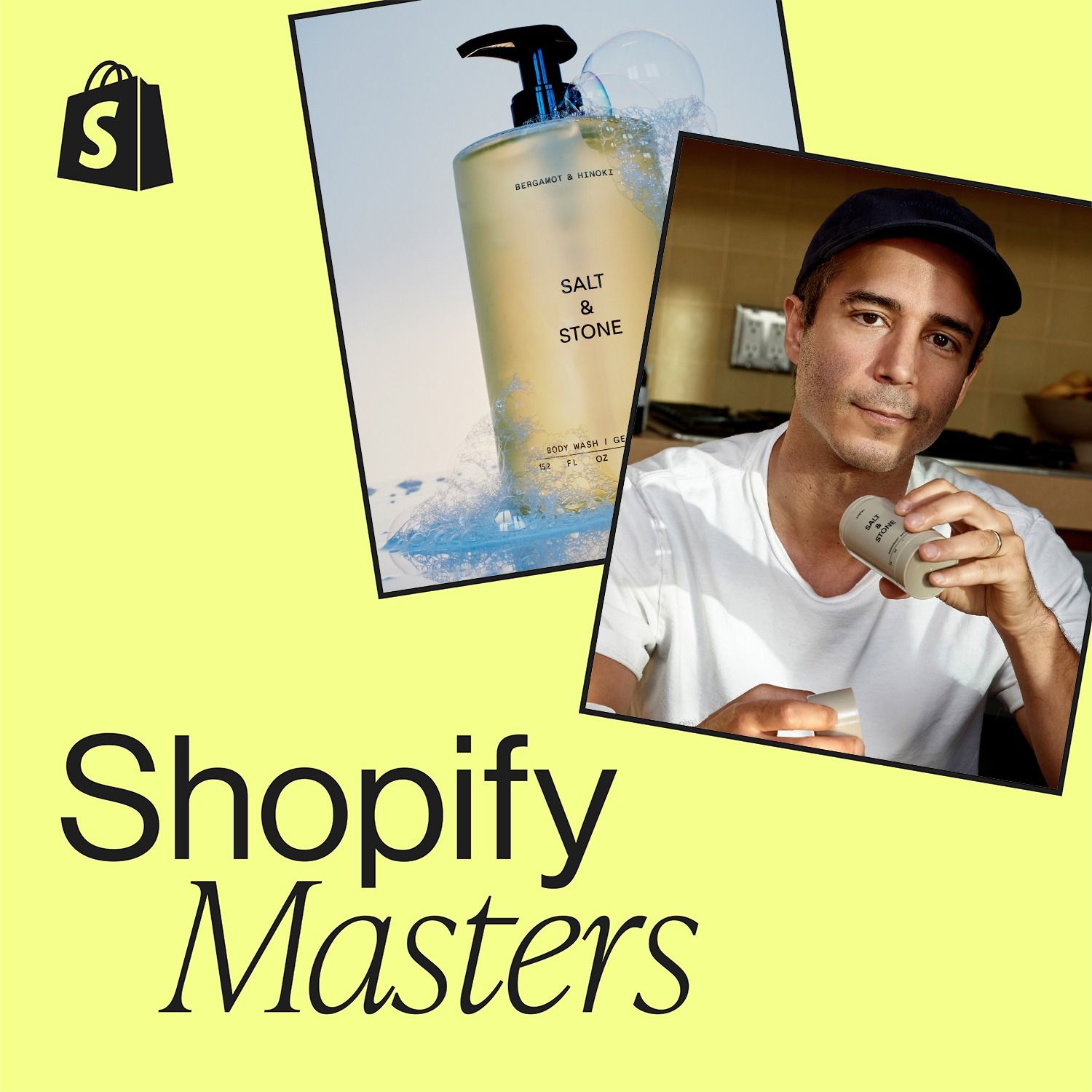
Founder Nima Jalali intentionally designed packaging, branding, and content to feel large and established from day one. This strategy attracted customers and premium retailers by projecting success long before the company achieved scale, bucking the trend of appearing like a scrappy startup.
Peacework Puzzles intentionally designed its boxes to look like art books or luxury candles, not traditional game boxes. This strategy encourages customers to display the puzzles as home decor, leading to organic social media sharing as people style them on shelves and coffee tables.