Get your free personalized podcast brief
We scan new podcasts and send you the top 5 insights daily.
A market can seem established, but if existing products are visually unappealing and fail to create an emotional connection, a new entrant can win purely on branding and packaging that captures attention and meets a consumer's need state.

Related Insights
Founder Eric Ryan targets categories where competitors make products unnecessarily complex or take themselves too seriously. He views this as a sign of insecurity hiding a lack of real innovation. His strategy is to simplify the product and bring a playful, more human approach to the branding.

While product differentiation is beneficial, it's not always possible. A brand's most critical job is to be distinctive and instantly recognizable. This mental availability, achieved through consistent creative, logo, and tone, is more crucial for cutting through market noise than having a marginally different feature set.

In markets saturated with similar product features, true differentiation comes from personality. Brands must find their "inner weird" and the human, universal truths that create an emotional connection, rather than focusing only on technical specs.

A coffee brand struggling to compete with other roasters was advised to reposition itself within the multi-billion dollar wedding gift industry. By targeting a different use case and customer (bridal registries), the commoditized product gains a unique and defensible niche.

Most product categories are commodities with minimal functional differences. Success, as shown by Liquid Death in the water category, hinges on building an emotional connection through branding and packaging, which are the primary drivers of consumer choice over minor product benefits.

David Aaker posits that true market growth comes only from disruptive innovation, not from "my brand is better than yours" incrementalism. He criticizes seminal works on innovation for ignoring that branding is essential to position the new category, build barriers to entry, and make the innovation successful.
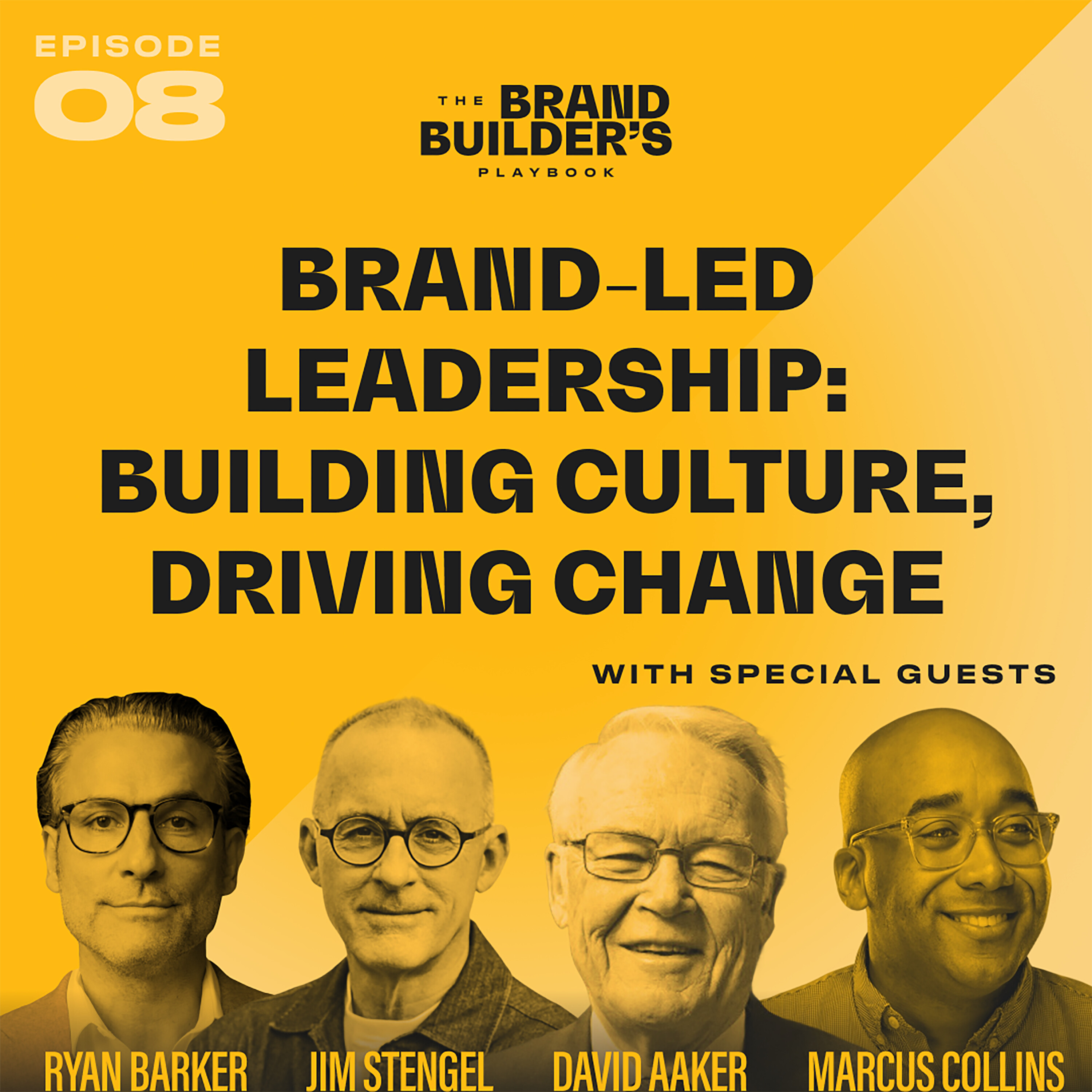
Marketing guru David Aaker argues that for a brand to stand out, being different isn't enough. The point of differentiation must be actively "intriguing" to capture attention and resonate with audiences. He cites the Haas Business School's "confidence without attitude" as an example of an intriguing brand pillar.
For Rowell, the rebrand wasn't merely a refresh for its existing market. It was a strategic prerequisite for expanding into larger territories. A disruptive, noticeable brand was deemed essential to stand out against established competitors and make an immediate impact.

The belief that you must find an untapped, 'blue ocean' market is a fallacy. In a connected world, every opportunity is visible and becomes saturated quickly. Instead of looking for a secret angle, focus on self-awareness and superior execution within an existing market.

When customers already use a similar product, don't just claim to be "better," as this keeps you in the same mental bucket. Instead, create a new sub-category (e.g., "legacy humidifiers" vs. "next-gen"). This forces the buyer to re-evaluate their needs against a new standard you define, separating you from the competition.
