A successful cold pitch isn't an essay about your brand's story. It should be short enough to maintain interest, compellingly frame the value you offer the recipient (not the other way around), and end with a clear, actionable request like sending samples.
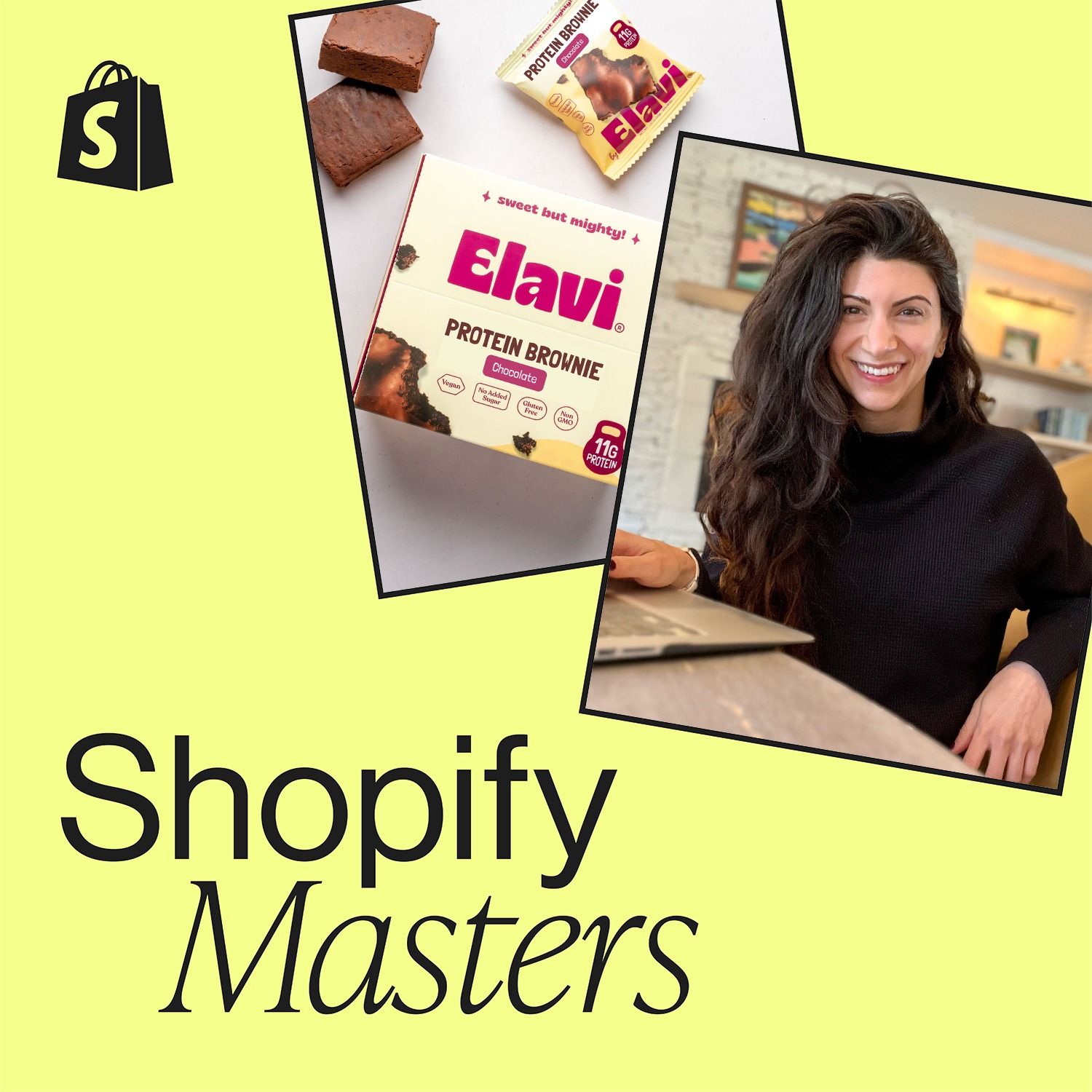
Alave made a bold packaging decision: making the product type (“Protein Brownie”) the main focus, not the brand logo. They gambled that in the split-second a customer looks at a shelf, clearly communicating *what* the product is proves more effective for a new brand than establishing *who* they are. The strategy crushed.
As a founder, you'll likely experience a predictable social journey. First, people dismiss your ambition. Then, they diminish your early efforts. Once you gain traction, they become fans asking for perks. Finally, they claim they supported you all along. Understanding this pattern helps you ignore the need for external validation.
In its first six months, Alave's most effective marketing was incredibly simple: screenshotting every positive customer review from texts or DMs and posting them to Instagram Stories. This relentless stream of user-generated testimonials provided powerful, low-cost social proof that drove initial sales and built trust.
Contrary to the belief that businesses must appear flawless, sharing behind-the-scenes struggles and unpolished content can build stronger community and loyalty. This raw authenticity resonates more with audiences than a curated image, humanizing the brand and making customers feel like part of the journey.
Alave's founders turned down a nationwide launch with Whole Foods, opting for a smaller, regional rollout instead. This counterintuitive move allowed them to mitigate risk, learn the retailer's systems in a controlled environment, and build a sustainable foundation before scaling. This proved crucial when a cyber attack hit their distributor.
To prepare for a retail launch, Alave's founders conduct extreme in-person reconnaissance. They fly to stores and use tape measures on competitor packaging to ensure their own boxes fit the shelf set and are compliant. They argue merchandising is a top driver of sales, and if you're not physically visible, you can't be bought.