Get your free personalized podcast brief
We scan new podcasts and send you the top 5 insights daily.
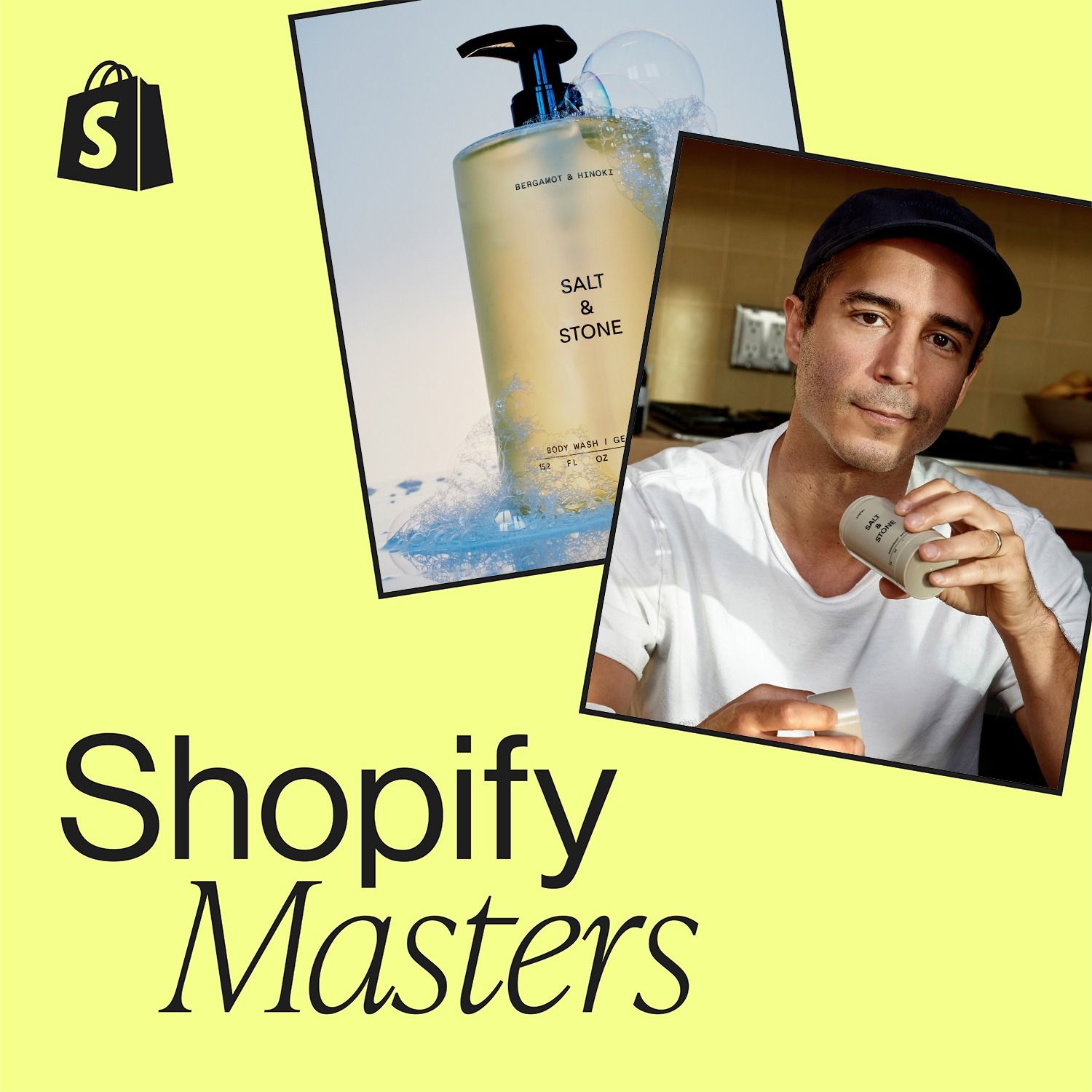
Founder Nima Jalali intentionally designed packaging, branding, and content to feel large and established from day one. This strategy attracted customers and premium retailers by projecting success long before the company achieved scale, bucking the trend of appearing like a scrappy startup.
Related Insights
Auntie Anne's PR strategy was centered on founder Anne Beiler's personal, faith-driven story of receiving a "miraculous" recipe. Her dream was to appear on a specific Christian talk show to share this testimony. By making her personal journey the core of the brand narrative, the company created a compelling identity that fueled its franchise growth.

The company never proactively pitched major retailers. Instead, they focused on creating a powerful digital presence and a superior product. This strategy made the brand so desirable that major players like Sephora initiated the partnership, flipping the traditional wholesale sales dynamic.
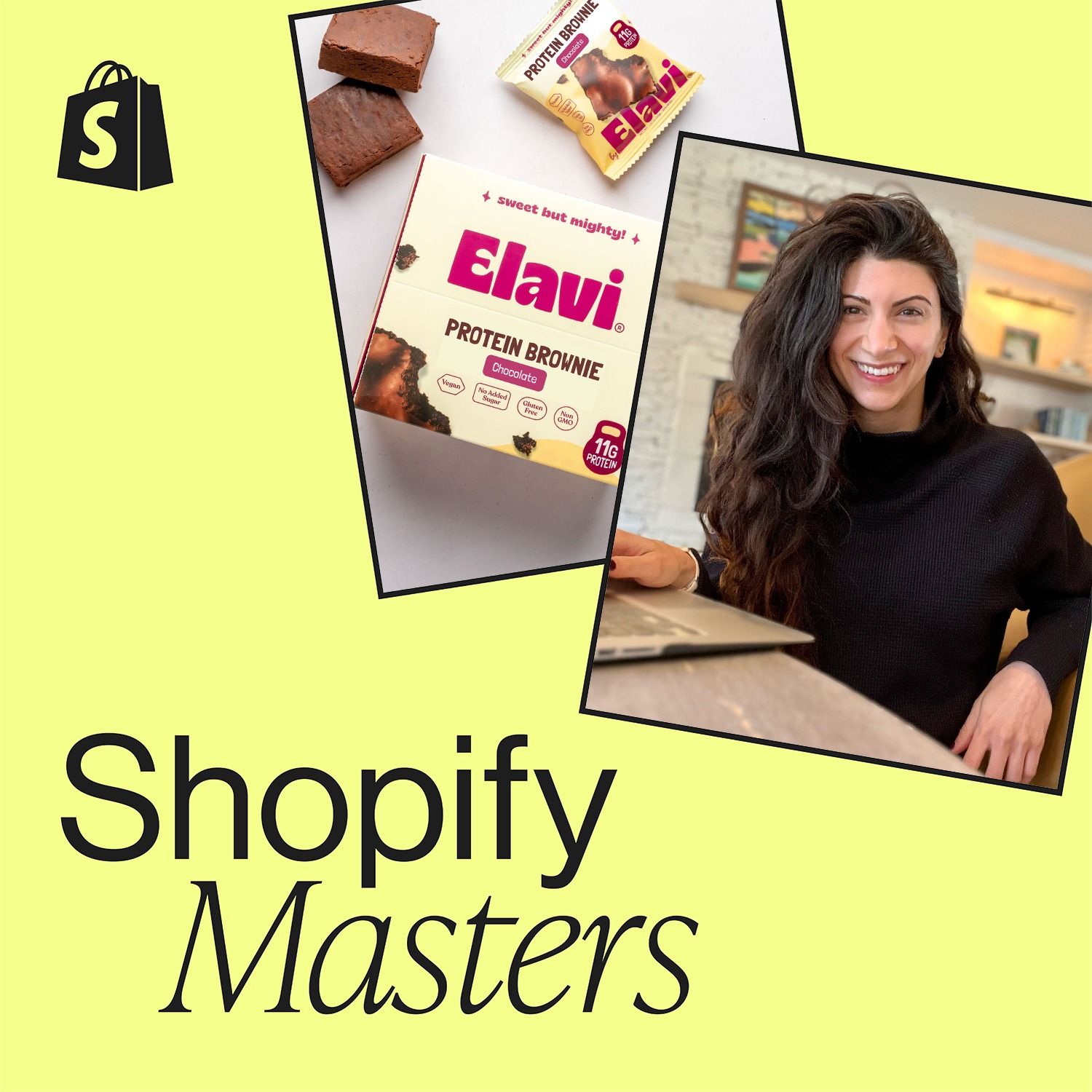
Alave made a bold packaging decision: making the product type (“Protein Brownie”) the main focus, not the brand logo. They gambled that in the split-second a customer looks at a shelf, clearly communicating *what* the product is proves more effective for a new brand than establishing *who* they are. The strategy crushed.
The brand used clear glass jars, initially a byproduct of a superior cooking method, to showcase the beans' quality. This transparency shifted consumer perception from a hidden pantry staple to a premium, display-worthy ingredient, justifying a higher price point.
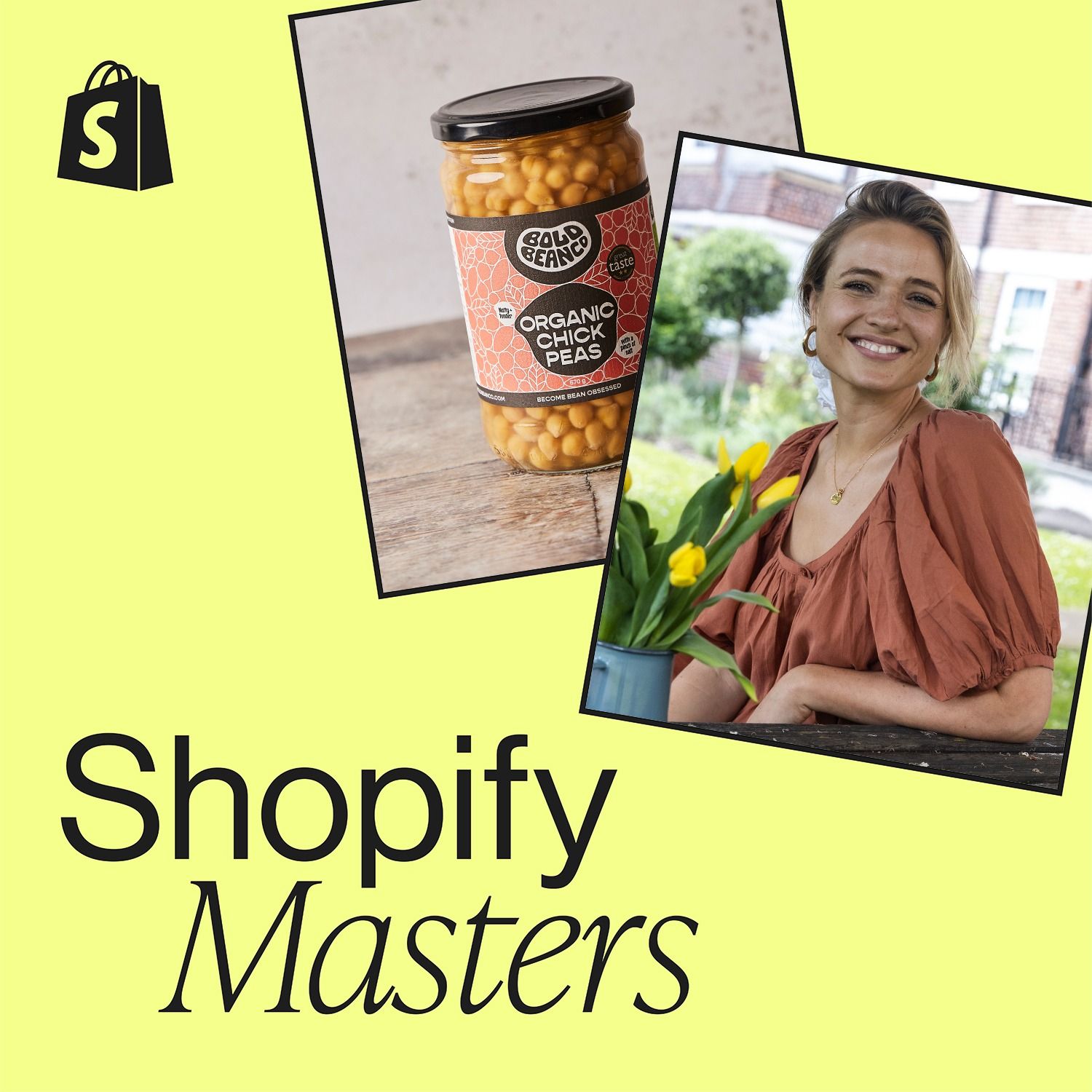
Persisting with a difficult, authentic, and more expensive production process, like using fresh ingredients instead of flavorings, is not a liability. It is the very thing that builds a long-term competitive advantage and a defensible brand story that copycats cannot easily replicate.

Mary Kay, a master of sales, discovered her personal presence at in-home facials hurt the brand. Customers thinking, "The owner is here?" made the business seem small and unprofessional. This is a crucial lesson for founders: scaling sometimes requires stepping back from customer-facing roles to protect the brand's image.
![Mary Kay Ash: The Greatest Saleswoman In History [Outliers] thumbnail](https://megaphone.imgix.net/podcasts/e183b016-cec7-11f0-90ea-27c38ce45de8/image/2d94065a7777f6297ba9350dd7be6b66.png?ixlib=rails-4.3.1&max-w=3000&max-h=3000&fit=crop&auto=format,compress)
To create a brand that outlasts any individual, founder Nima Jalali avoids making his pro-snowboarder background the central marketing story. He believes a brand’s narrative should be bigger than one person's story to achieve true longevity, comparing it to how Apple markets the iPhone, not Steve Jobs.
For communities or companies like Dave Gerhardt's Exit 5, the founder's personal brand can become the primary differentiator. This creates a 'category of one' in the customer's mind (e.g., 'The Dave Gerhardt Community'), making direct comparisons difficult and establishing a powerful moat that transcends feature-based competition.

To transition from a product to a lifestyle brand, Hexclad pursued a grand-scale influencer strategy. They targeted the world's best chefs, sending products and even "sneaking into" exclusive Michelin star events to build relationships. This top-down approach established premium credibility.

LoveSack operated successfully for years based on product instinct alone. However, transformational growth occurred only after the company intentionally defined its core brand philosophy—'Designed for Life'—and then amplified that clear message with advertising. This shows that a well-defined brand story is a powerful, distinct growth lever, separate from initial product-market fit.