Get your free personalized podcast brief
We scan new podcasts and send you the top 5 insights daily.
Founder Jim Cregan's core philosophy is that a product's success hinges on three elements working in perfect harmony: branding (what it says), packaging (how it feels), and ingredients (how it tastes). If one of these pillars is weak, the entire product fails.

Related Insights
Unilever uses its SASSY framework (Science, Aesthetics, Sensorials, Said-by-others, Young-spirited) to create desirability. This model systematically elevates brands from functional "needs" to emotional "I have to have that" wants, applicable even to everyday products.
A market can seem established, but if existing products are visually unappealing and fail to create an emotional connection, a new entrant can win purely on branding and packaging that captures attention and meets a consumer's need state.
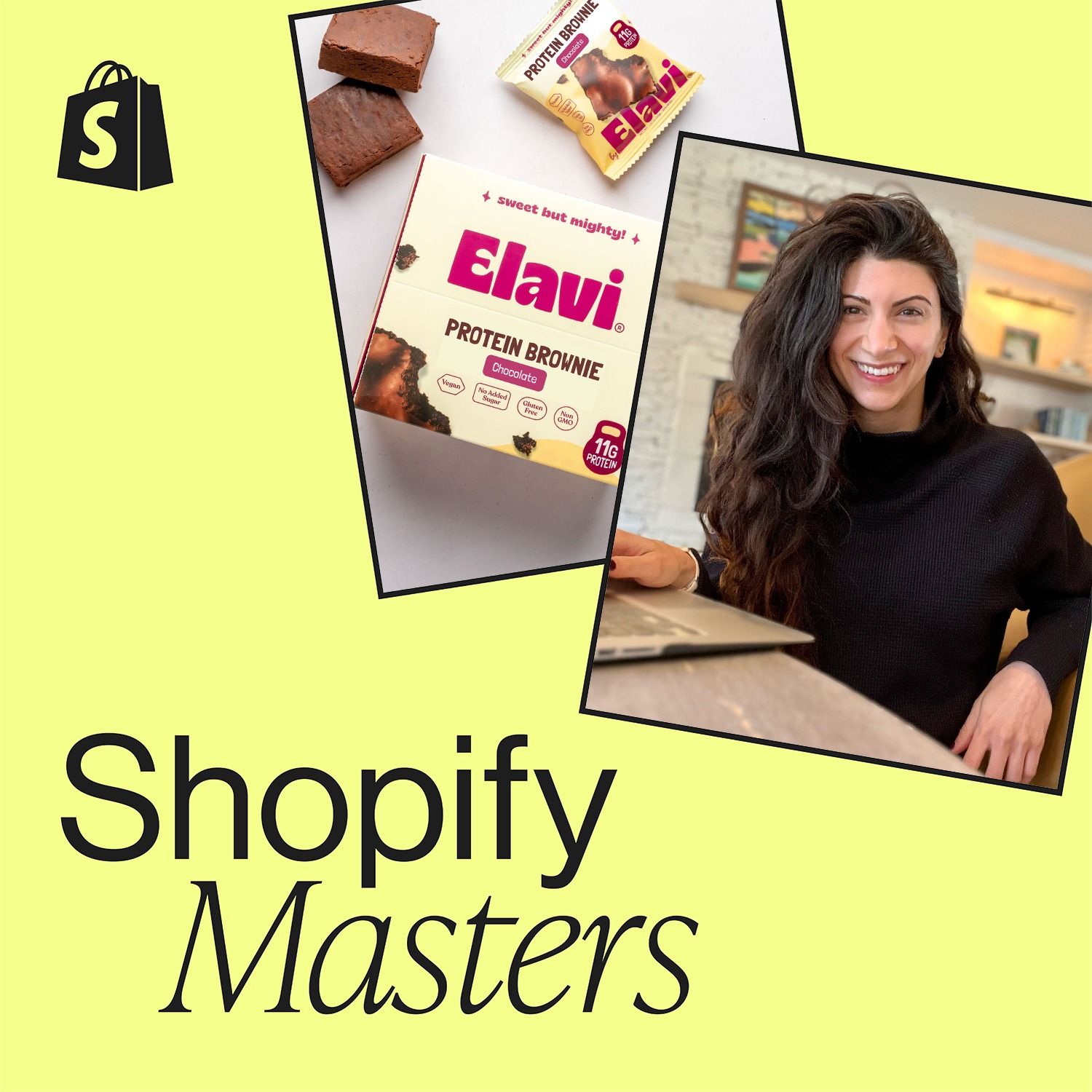
Alave made a bold packaging decision: making the product type (“Protein Brownie”) the main focus, not the brand logo. They gambled that in the split-second a customer looks at a shelf, clearly communicating *what* the product is proves more effective for a new brand than establishing *who* they are. The strategy crushed.
Product 'taste' is often narrowly defined as aesthetics. A better analogy is a restaurant: great food (visuals) is necessary but not sufficient. Taste encompasses the entire end-to-end user journey, from being greeted at the door to paying the check. Every interaction must feel crafted and delightful.

For those transitioning from biopharma to food tech, the concept of 'efficacy' requires a major mindset shift. While drug efficacy is about clinical outcomes, food efficacy is defined by the consumer's sensory experience—including texture, mouthfeel, aftertaste, and packaging. This is a critical factor for product success.

Most product categories are commodities with minimal functional differences. Success, as shown by Liquid Death in the water category, hinges on building an emotional connection through branding and packaging, which are the primary drivers of consumer choice over minor product benefits.

Consumers are trained by food packaging to look for simple, bold 'macros' (e.g., '7g Protein,' 'Gluten-Free'). Applying this concept to non-food items by clearly stating key attributes ('Chemical-Free,' 'Plant-Based') on the packaging can rapidly educate consumers at the point of purchase and differentiate the product.

The beer industry is a powerful training ground for marketers. With functionally identical products, success hinges purely on branding, teaching marketers how emotion, advertising, and sponsorships drive consumer choice when product differentiation is nonexistent.
In a crowded market, brand is defined by the product experience, not marketing campaigns. Every interaction must evoke the intended brand feeling (e.g., "lovable"). This transforms brand into a core product responsibility and creates a powerful, defensible moat that activates word-of-mouth and differentiates you from competitors.

To combat the perception of being overly processed, WK Kellogg highlights the simplicity of its products. By marketing that Frosted Flakes has just four natural ingredients, the brand reframes itself to appeal to modern consumers seeking clean labels and transparency.
