Get your free personalized podcast brief
We scan new podcasts and send you the top 5 insights daily.
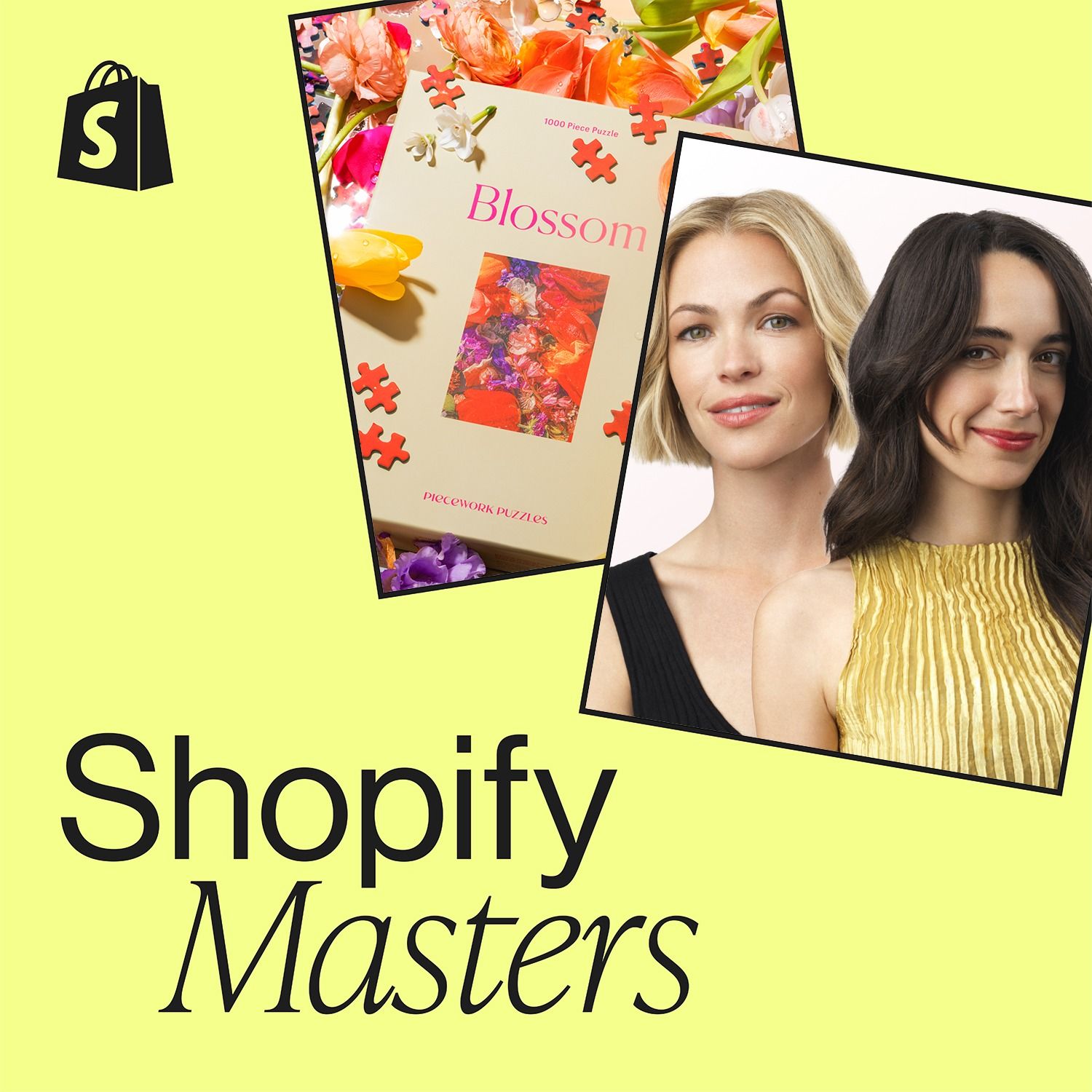
Peacework Puzzles intentionally designed its boxes to look like art books or luxury candles, not traditional game boxes. This strategy encourages customers to display the puzzles as home decor, leading to organic social media sharing as people style them on shelves and coffee tables.
Related Insights
Peacework noticed customers asking to buy the unique props featured in their maximalist puzzle photography. They leveraged this direct feedback to launch a curated collection of giftable items seen in their 'puzzle worlds,' creating a natural and successful product line extension.
Instead of ads, create physical objects or experiences that embody a brand's story. These "narrative objects," like The Ordinary's "Periodic Fable," generate more lasting impact and conversation because the object becomes the story, not just a vehicle for it.

In a crowded digital space, products and marketing with a unique, even polarizing, visual style are more likely to capture attention and be memorable than those following standard design trends. Daring to be different visually can be a powerful competitive advantage.

Expanding from puzzles to napkins seems illogical, but Peacework did it to support a marketing campaign for a tomato-themed puzzle. The napkins sold surprisingly well, becoming a major new business arm. This shows that ignoring conventional product expansion advice can uncover unexpected opportunities.
To maximize the impact of community engagement, Wiz offers tangible, status-enhancing rewards. After completing a difficult hacking challenge, users receive a custom-made certificate of excellence. This praises their skill and gives them a professionally valuable artifact to share, turning a single engagement into widespread, user-driven promotion.

While competitors followed the prevailing minimalist, 'beige-on-beige' aesthetic, Peacework Puzzles deliberately chose a maximalist and colorful brand identity. This contrarian approach made them stand out, resonated authentically with a specific audience, and helped build a loyal following.
The team initially saw the large digital game board as the main feature. They later realized the unique, tangible game pieces were the most compelling differentiator from tablets or consoles and pivoted the entire marketing strategy to feature them front and center.

In the 'interest media' era, algorithms prioritize content based on user interests, not just their social graph. A collectible campaign featuring specific IP acts as a creative overlay, allowing a brand’s content to be organically surfaced to relevant niche audiences who otherwise wouldn't see it.

When launching creative campaigns, Wiz uses unique domains (e.g., Cisotopia.com) rather than company subdomains. This makes the project feel like an independent, fun creation, not a direct marketing play. The intentional disconnect from the corporate brand piques interest and makes people more willing to engage and share.