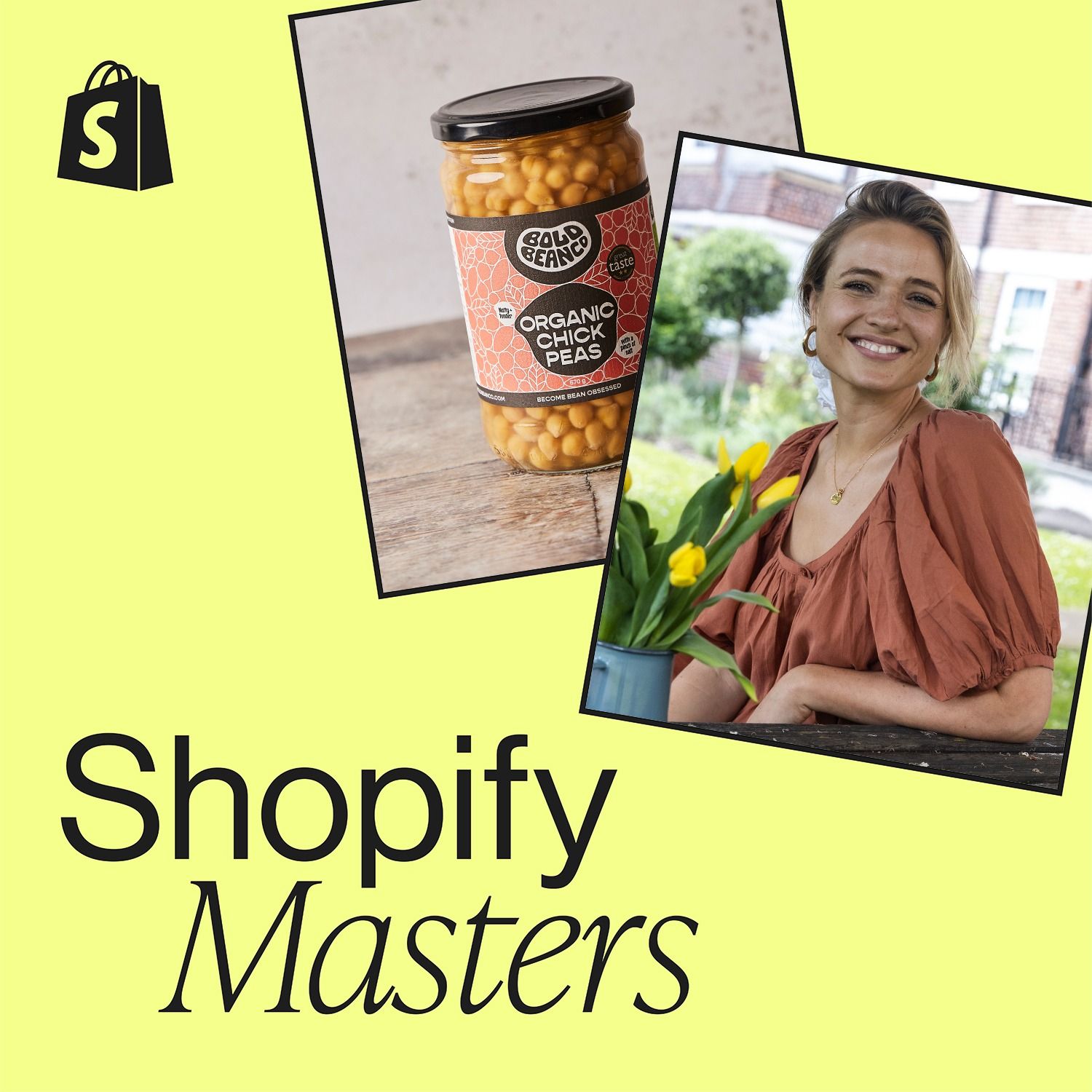
The brand used clear glass jars, initially a byproduct of a superior cooking method, to showcase the beans' quality. This transparency shifted consumer perception from a hidden pantry staple to a premium, display-worthy ingredient, justifying a higher price point.
The brand avoids direct sales pitches in its content. Instead, it provides value by publishing hundreds of free recipes. This "give first" strategy builds trust and a long-term relationship, leading to organic purchases when consumers are ready to buy at the supermarket.
Bold Bean Co. found that creating a premium product in a "forgotten, dull" category like beans was a strategic advantage. The novelty makes consumers talk. People find it entertaining to become obsessed with beans, generating more word-of-mouth than launching yet another premium chocolate brand.
The founders delayed institutional funding to protect their long-term brand strategy. This freedom allowed them to avoid paid ads, which a VC might have demanded for quick growth, and instead focus on building a more powerful and sustainable word-of-mouth engine first.
Influential chefs are reluctant to promote finished CPG products (like sauces) that compete with their expertise. However, they will champion a premium ingredient brand like Bold Bean Co. because it enhances their own recipes without compromising their culinary authority, making them natural advocates.
The company leverages its remote structure by hiring strategically. A Spanish team is located near suppliers for better sourcing and relationships, while a British team focuses on the consumer market. This intentional geographic distribution optimizes both supply chain and marketing efforts.