Get your free personalized podcast brief
We scan new podcasts and send you the top 5 insights daily.
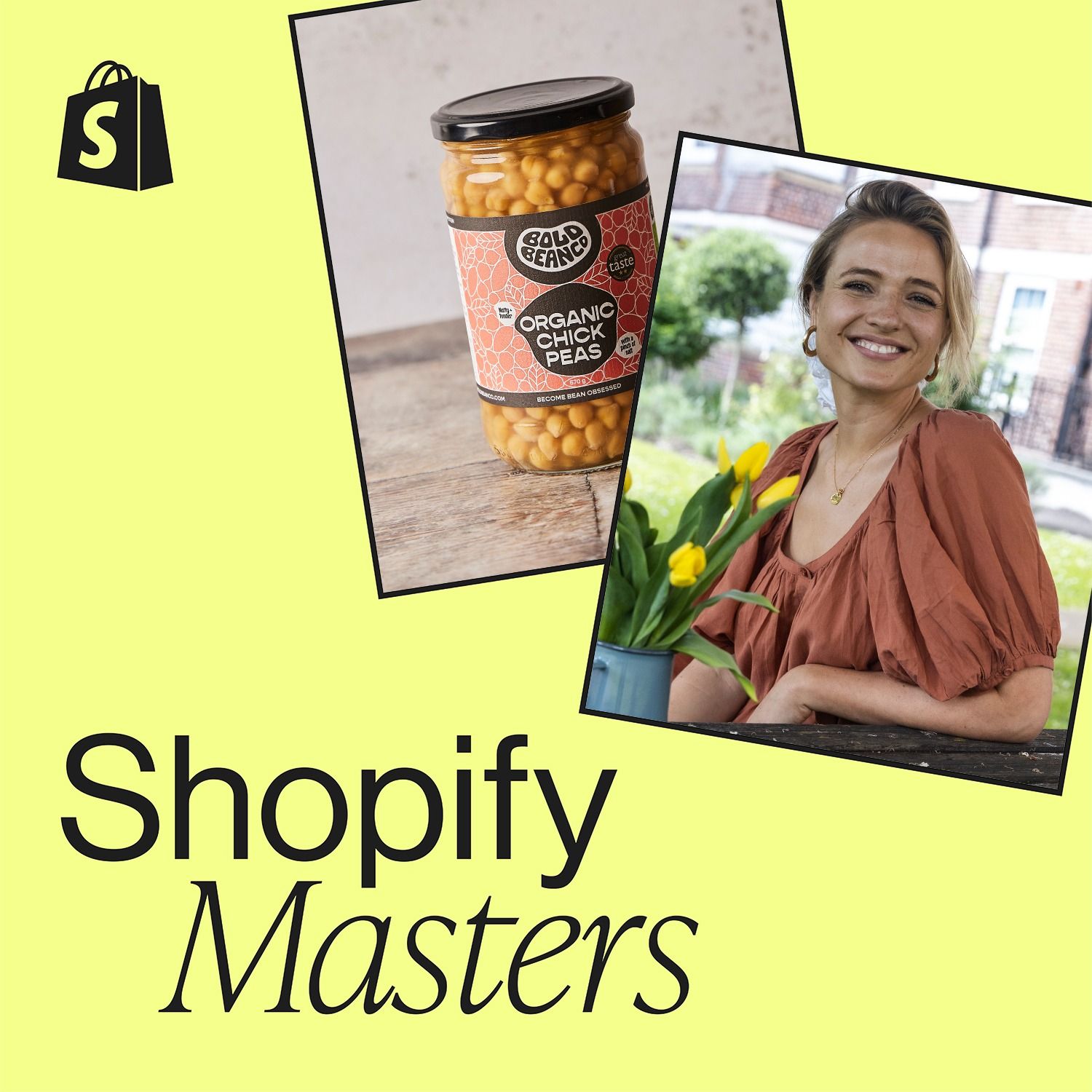
The brand used clear glass jars, initially a byproduct of a superior cooking method, to showcase the beans' quality. This transparency shifted consumer perception from a hidden pantry staple to a premium, display-worthy ingredient, justifying a higher price point.
Related Insights
Fruitist achieved a $1 billion valuation by transforming the blueberry from a supporting ingredient into a standalone snack or meal replacement. By engineering a jumbo-sized, consistent product, they created a new product category and unlocked premium pricing.

Consumers determine a fair price relatively, not absolutely, by comparing a product to others in its category. By launching in a tall, thin 250ml can instead of a standard 330ml can, Red Bull prevented a direct price comparison with cheaper sodas like Coke. This change in the 'mental comparison set' allowed it to establish a new, premium price point.

Influential chefs are reluctant to promote finished CPG products (like sauces) that compete with their expertise. However, they will champion a premium ingredient brand like Bold Bean Co. because it enhances their own recipes without compromising their culinary authority, making them natural advocates.
Consumers perceive products as higher quality when they are aware of the effort (e.g., number of prototypes, design iterations) that went into creating them. This 'labor illusion' works because people use effort as a mental shortcut to judge quality. Dyson's '5,127 prototypes' is a classic example.

The brand avoids direct sales pitches in its content. Instead, it provides value by publishing hundreds of free recipes. This "give first" strategy builds trust and a long-term relationship, leading to organic purchases when consumers are ready to buy at the supermarket.
Most product categories are commodities with minimal functional differences. Success, as shown by Liquid Death in the water category, hinges on building an emotional connection through branding and packaging, which are the primary drivers of consumer choice over minor product benefits.

A study found that ambient noise significantly slows cognitive development. This insight can be used to rebrand a commodity like earplugs. By positioning them as "Study Ears"—a tool for better memory and focus, not just noise blocking—you can create an entirely new product category with strong marketing hooks.

Social proof is more powerful when consumers believe they've discovered a trend themselves. Aperol’s distinctive color and glassware make it highly visible in a bar, creating the illusion of popularity. Similarly, J2O's slightly-too-large bottle forced pubs to serve it alongside the glass, turning a private choice into a public statement and fueling its growth.
When a new KFC premium product wasn't selling, they doubled the price instead of discounting it. This aligned the price with consumer expectations for a premium item, signaling quality and causing sales to soar. Low prices can imply low quality for high-end goods.

Bold Bean Co. found that creating a premium product in a "forgotten, dull" category like beans was a strategic advantage. The novelty makes consumers talk. People find it entertaining to become obsessed with beans, generating more word-of-mouth than launching yet another premium chocolate brand.