Get your free personalized podcast brief
We scan new podcasts and send you the top 5 insights daily.
Adopting a unique, complex, and more expensive packaging format (the "Bottle Can") required a three-year mission to bring to market. This difficulty created a competitive advantage that competitors couldn't easily replicate, ultimately doubling the rate of sale.

Related Insights
Physical products are easily copied. While patents help, brand is the most durable competitive moat. A strong brand lowers acquisition costs, increases lifetime value, and commands premium pricing—advantages that copycats cannot replicate, even if they perfectly clone the product.

Graza's success with a squeeze bottle was quickly copied, proving that a non-patentable innovation gives only a temporary lead. For consumer brands, the only sustainable defense against copycats is to constantly introduce new formats and features to stay ahead.

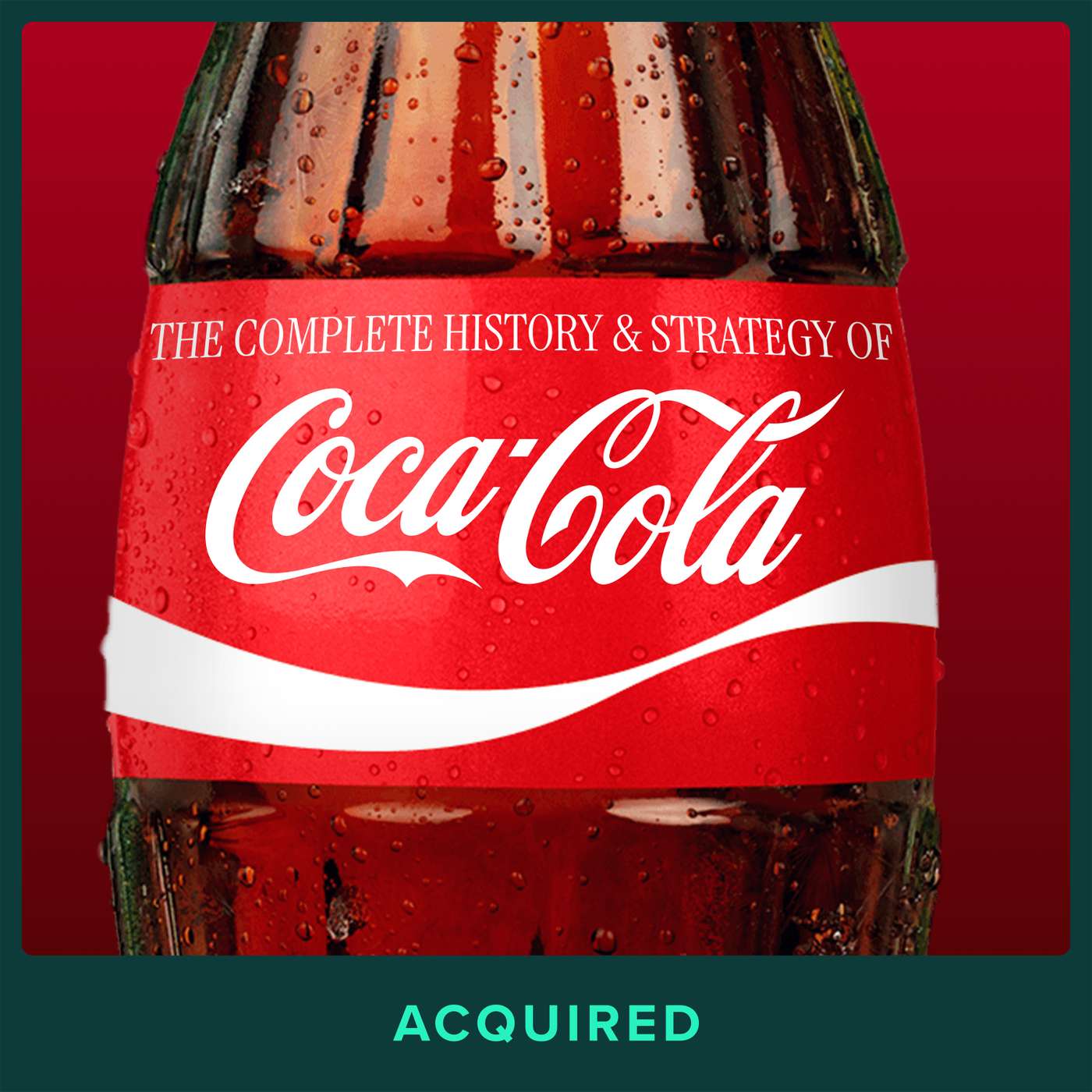
Coca-Cola's legal team extended its IP moat beyond the brand name. They commissioned a bottle "so distinct that you would recognize it by feel in the dark" and successfully argued for its shape to be granted trademark status, a rare accomplishment that created a powerful, non-verbal brand defender.
A market can seem established, but if existing products are visually unappealing and fail to create an emotional connection, a new entrant can win purely on branding and packaging that captures attention and meets a consumer's need state.
Consumers determine a fair price relatively, not absolutely, by comparing a product to others in its category. By launching in a tall, thin 250ml can instead of a standard 330ml can, Red Bull prevented a direct price comparison with cheaper sodas like Coke. This change in the 'mental comparison set' allowed it to establish a new, premium price point.
Persisting with a difficult, authentic, and more expensive production process, like using fresh ingredients instead of flavorings, is not a liability. It is the very thing that builds a long-term competitive advantage and a defensible brand story that copycats cannot easily replicate.

Unlike D2C competitors who are primarily marketers that outsource production, Spot & Tango vertically integrated by building its own factory. This contrarian move created a strong competitive moat through proprietary processes, quality control, and supply chain ownership.

Promote IQ succeeded by targeting large retailers, a market other startups avoided due to its notoriously difficult and long sales cycle. They turned this pain point into a strategic advantage. By mastering the difficult sales process, they created a high barrier to entry that gave them time and space to dominate the category before competitors could catch up.

A brand isn't just an identity; it becomes a competitive moat only when it directly influences purchase decisions. The true test is when a customer buys your product *because* of the brand, even if it's more expensive, has fewer features, or is otherwise inferior on paper.

Quest succeeded by not taking a shortcut. Instead of using high-fructose corn syrup to match existing equipment viscosity, they undertook the difficult task of engineering their own manufacturing equipment. This 'leaning into the hard' created a unique product and a significant competitive moat.
