Get your free personalized podcast brief
We scan new podcasts and send you the top 5 insights daily.
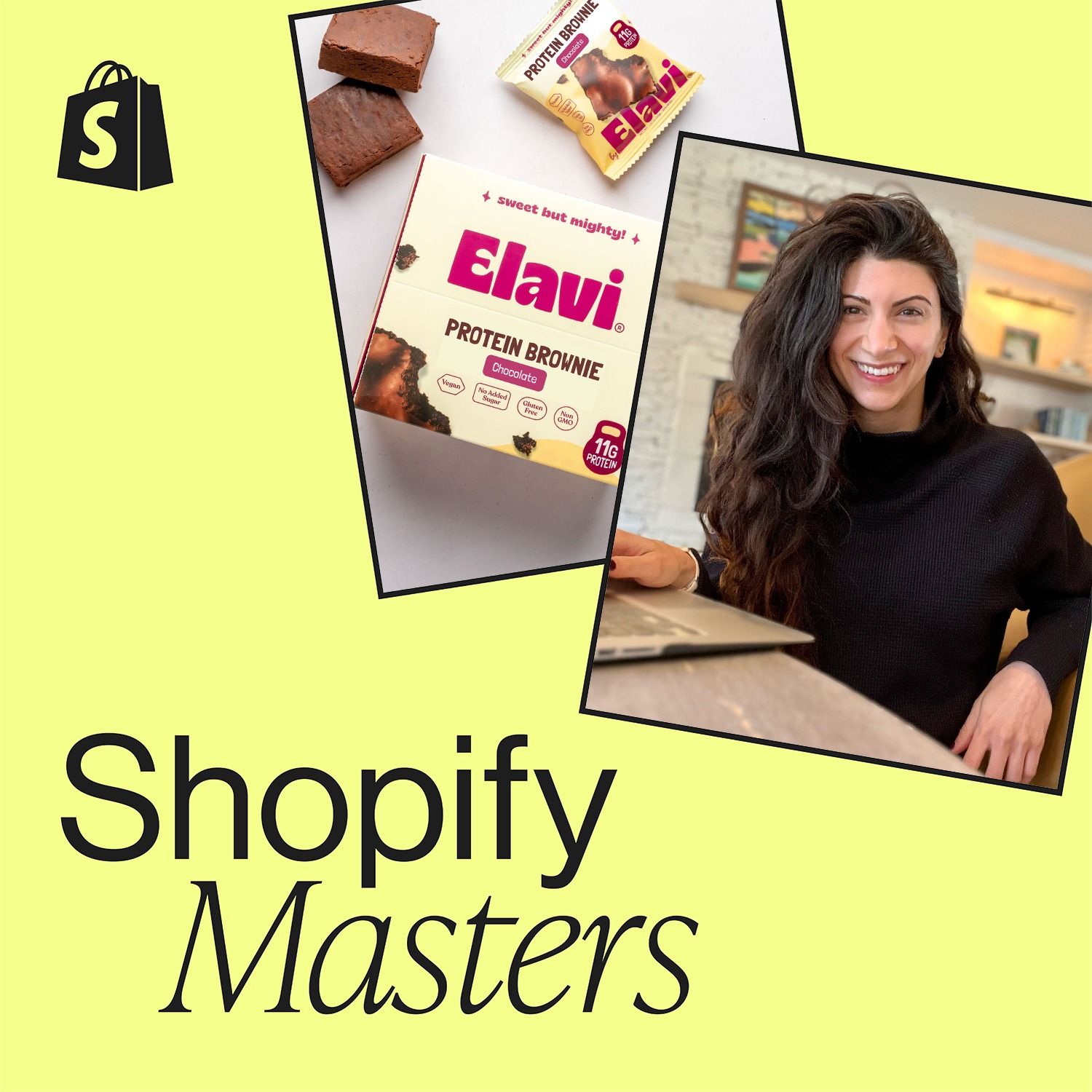
Alave made a bold packaging decision: making the product type (“Protein Brownie”) the main focus, not the brand logo. They gambled that in the split-second a customer looks at a shelf, clearly communicating *what* the product is proves more effective for a new brand than establishing *who* they are. The strategy crushed.
Related Insights
While product differentiation is beneficial, it's not always possible. A brand's most critical job is to be distinctive and instantly recognizable. This mental availability, achieved through consistent creative, logo, and tone, is more crucial for cutting through market noise than having a marginally different feature set.

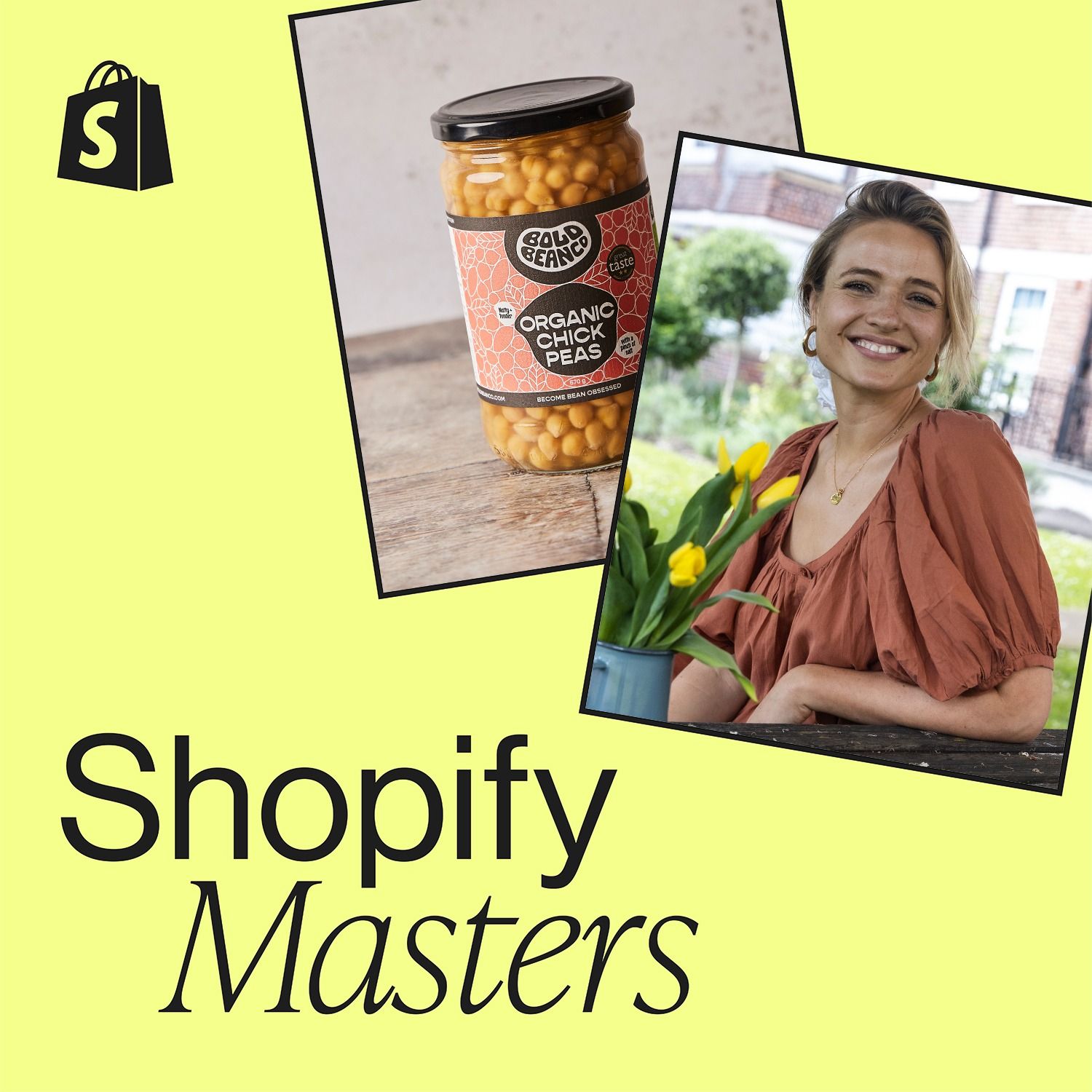
The brand used clear glass jars, initially a byproduct of a superior cooking method, to showcase the beans' quality. This transparency shifted consumer perception from a hidden pantry staple to a premium, display-worthy ingredient, justifying a higher price point.
Most product categories are commodities with minimal functional differences. Success, as shown by Liquid Death in the water category, hinges on building an emotional connection through branding and packaging, which are the primary drivers of consumer choice over minor product benefits.

A study found that ambient noise significantly slows cognitive development. This insight can be used to rebrand a commodity like earplugs. By positioning them as "Study Ears"—a tool for better memory and focus, not just noise blocking—you can create an entirely new product category with strong marketing hooks.

Consumers are trained by food packaging to look for simple, bold 'macros' (e.g., '7g Protein,' 'Gluten-Free'). Applying this concept to non-food items by clearly stating key attributes ('Chemical-Free,' 'Plant-Based') on the packaging can rapidly educate consumers at the point of purchase and differentiate the product.

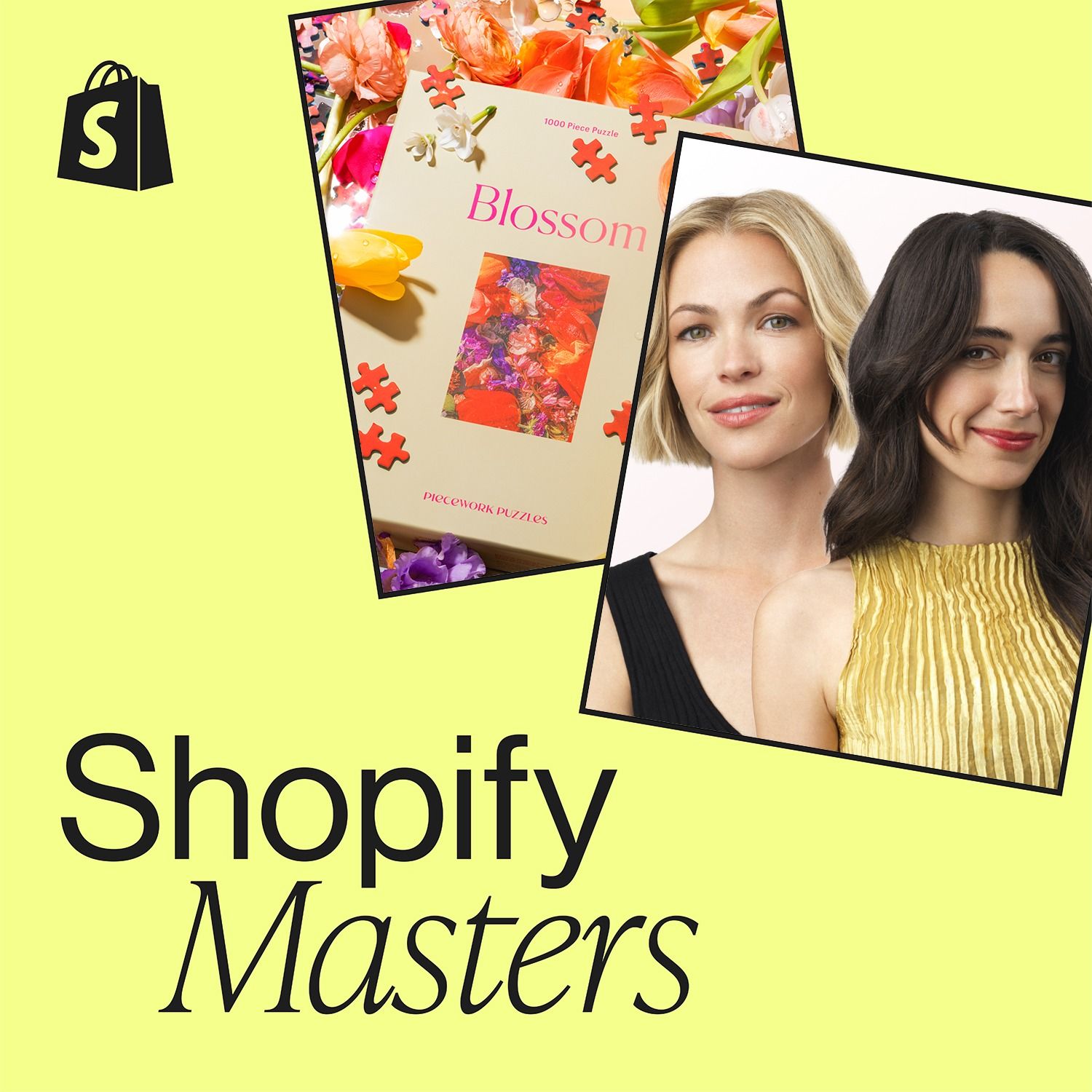
While competitors followed the prevailing minimalist, 'beige-on-beige' aesthetic, Peacework Puzzles deliberately chose a maximalist and colorful brand identity. This contrarian approach made them stand out, resonated authentically with a specific audience, and helped build a loyal following.
Simply adding a celebrity to an ad provides no average lift in effectiveness. Instead, marketers should treat the brand’s own distinctive assets—like logos, sounds, or product truths—as the true 'celebrities' of the campaign. This builds stronger, more memorable brand linkage and long-term equity.

Peacework Puzzles intentionally designed its boxes to look like art books or luxury candles, not traditional game boxes. This strategy encourages customers to display the puzzles as home decor, leading to organic social media sharing as people style them on shelves and coffee tables.
To prepare for a retail launch, Alave's founders conduct extreme in-person reconnaissance. They fly to stores and use tape measures on competitor packaging to ensure their own boxes fit the shelf set and are compliant. They argue merchandising is a top driver of sales, and if you're not physically visible, you can't be bought.
The Von Restorff effect states that distinctive items are more memorable. Liquid Death analyzed the water category's conventions (alpine scenes, plastic bottles, serene branding) and broke them all with heavy metal imagery in a can. For a small brand with a minimal budget, this calculated violation of norms created massive distinctiveness and supercharged its impact.