Get your free personalized podcast brief
We scan new podcasts and send you the top 5 insights daily.
Most product categories are commodities with minimal functional differences. Success, as shown by Liquid Death in the water category, hinges on building an emotional connection through branding and packaging, which are the primary drivers of consumer choice over minor product benefits.

Related Insights
To truly change a brand's narrative, marketing's 'talking the talk' is insufficient. The product experience itself must embody the desired story. This 'walking the walk' through the product is the most powerful way to shape core brand perception and make the narrative shareable.

The ultimate PLG companies are consumer brands like shampoo, which sell on brand affinity, not commoditized features. As software becomes more commoditized, B2B companies must similarly build a strong brand theme that inspires users to associate with them, creating a more durable moat than features alone.

Coca-Cola's legal team extended its IP moat beyond the brand name. They commissioned a bottle "so distinct that you would recognize it by feel in the dark" and successfully argued for its shape to be granted trademark status, a rare accomplishment that created a powerful, non-verbal brand defender.
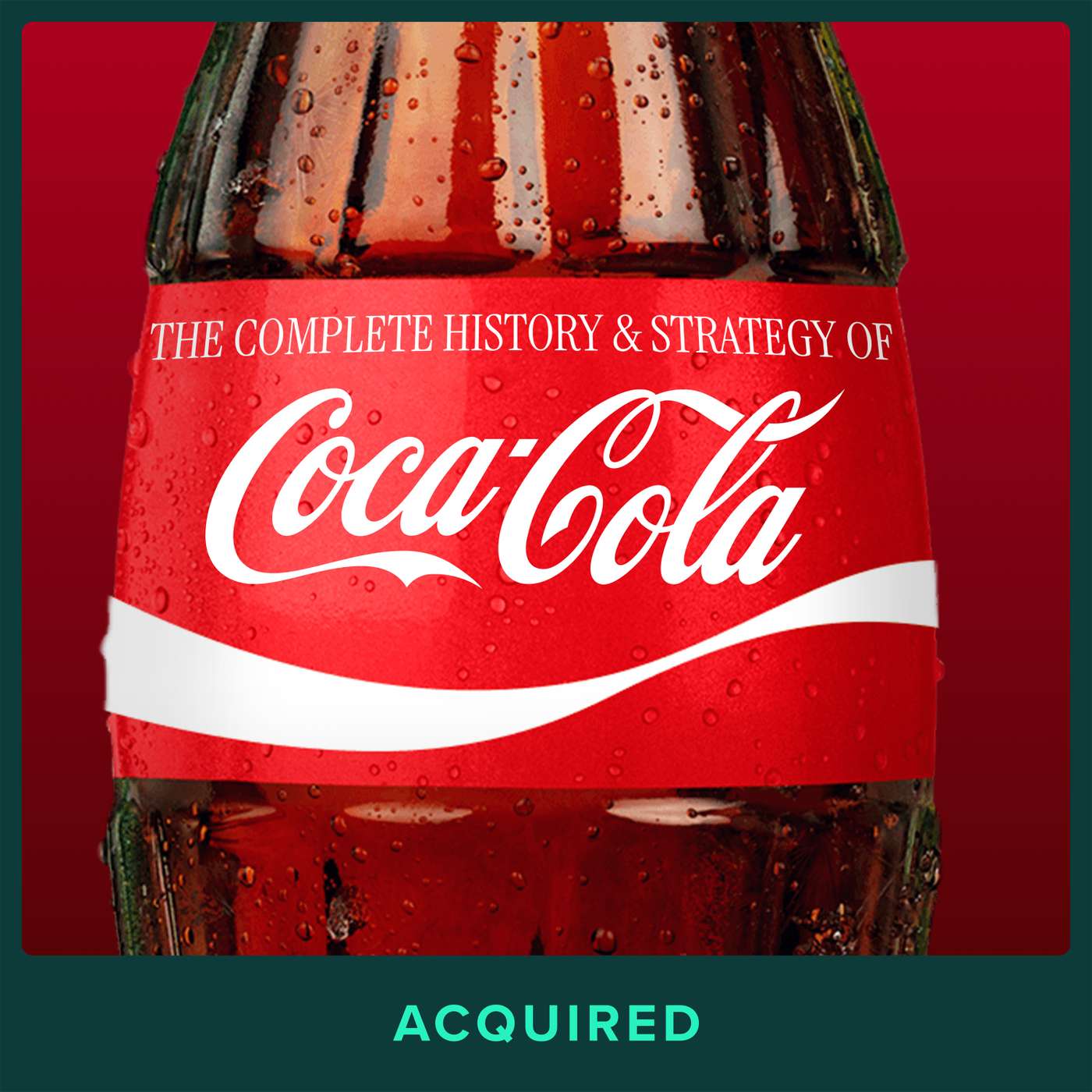
While product differentiation is beneficial, it's not always possible. A brand's most critical job is to be distinctive and instantly recognizable. This mental availability, achieved through consistent creative, logo, and tone, is more crucial for cutting through market noise than having a marginally different feature set.

For commodity products with low differentiation (e.g., cereal, razors, shampoo), a collectible can be the deciding factor at the point of purchase. It acts as a powerful lever for trial. A consumer might buy for the collectible initially but discover they like the core product, converting them into a long-term customer.

The founder's key insight was the disparity between the fun, irreverent marketing for unhealthy products (beer, candy) and the boring marketing for healthy ones. The brand's strategy was born from applying the entertaining, humorous tactics of junk food to the healthiest category: water.
In a crowded market, brand is defined by the product experience, not marketing campaigns. Every interaction must evoke the intended brand feeling (e.g., "lovable"). This transforms brand into a core product responsibility and creates a powerful, defensible moat that activates word-of-mouth and differentiates you from competitors.

Coca-Cola pioneered lifestyle advertising by shifting from promoting intrinsic product qualities (a "brain tonic") to extrinsic associations. They linked the brand to universal positive emotions like happiness, friendship, and Christmas, making the product a symbol rather than just a beverage.
Gymshark's key product differentiator wasn't just performance, but aesthetics. They obsessed over creating 'physique accentuating' fits that made customers look and feel better. This tapped into the core emotional motivation of their gym-going audience, creating a stronger brand connection than purely functional apparel.

LoveSack operated successfully for years based on product instinct alone. However, transformational growth occurred only after the company intentionally defined its core brand philosophy—'Designed for Life'—and then amplified that clear message with advertising. This shows that a well-defined brand story is a powerful, distinct growth lever, separate from initial product-market fit.