Get your free personalized podcast brief
We scan new podcasts and send you the top 5 insights daily.
Referencing a story about Michelangelo feigning a change to a sculpture to appease a politician, AR Rahman confirms this is a valid tactic in creative work. It protects artistic integrity while making the stakeholder feel heard, valued, and influential.

Related Insights
People become defensive when given unsolicited advice. To create an opening for constructive criticism, first ask the other person for feedback on your own performance. This act of vulnerability establishes trust and often triggers a natural social tendency for them to reciprocate, making them more receptive to your feedback in return.

True creative collaboration requires honest feedback, not sycophancy. The ultimate test of a potential collaborator is their willingness to give critical feedback when it's riskiest for them—like during a job interview. This signals they value the work's integrity over simply getting the job.

When receiving harsh feedback, avoid a defensive posture by mentally reframing the interaction. Instead of seeing it as a personal attack across a table, visualize both of you on the same side, collaborating on a problem written on a whiteboard. This shifts the focus to the idea, not the person.

Early-stage ideas are easily killed by practical objections. To prevent this, implement a rule where feedback must begin with "Yes, and...". This forces critics to be additive and constructive, building upon the initial concept rather than immediately shutting it down. It creates space for a bold idea to develop before facing harsh reality checks.

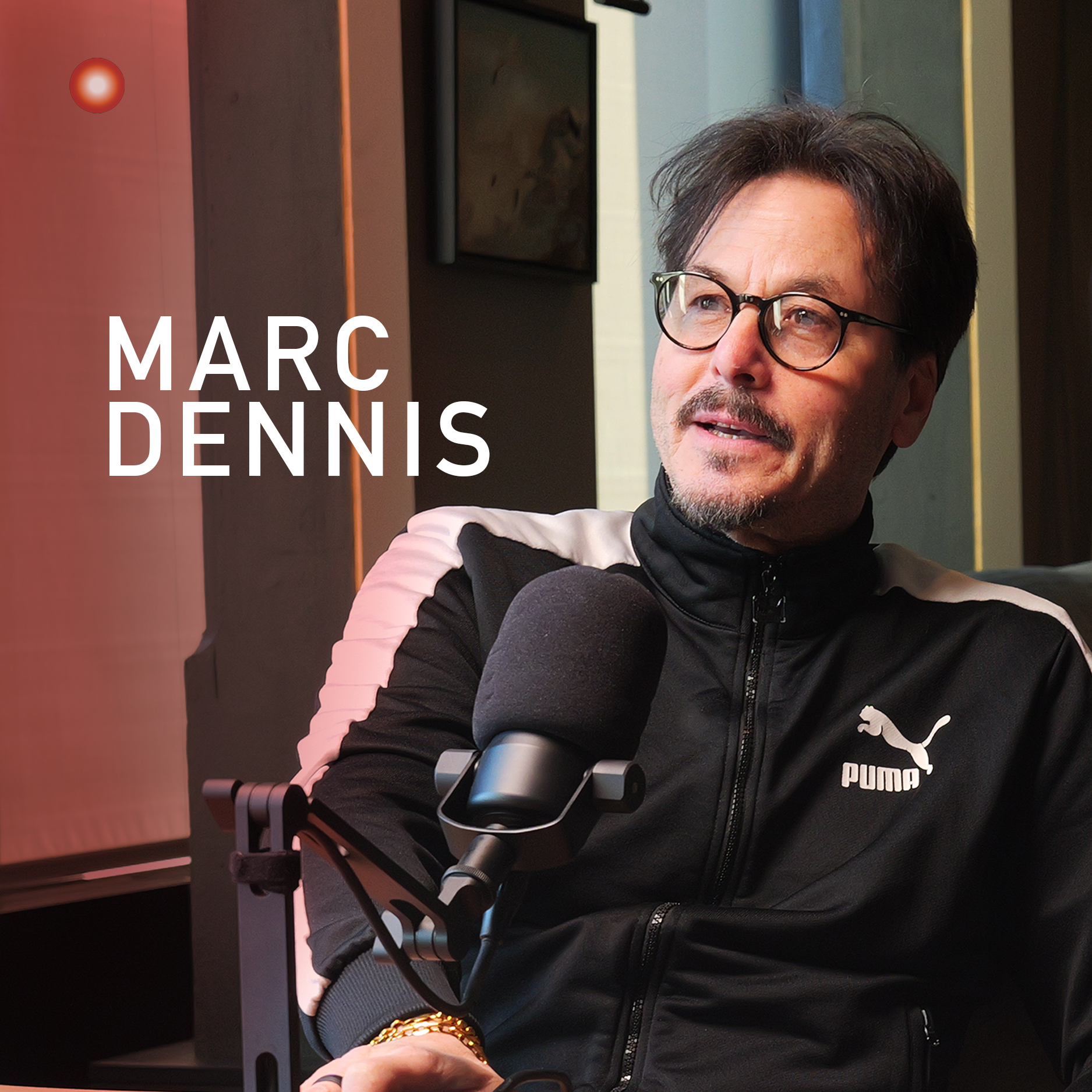
Instead of offering a formula for success, artist Marc Dennis tells aspiring creatives that the key to failure is trying to please everyone. True artistic success requires finding and staying true to a unique voice, even if it disappoints others' expectations or preconceived notions.
Instead of countering an objection, diffuse the conflict by relating to the underlying emotion. For a price objection, say, 'It sounds like you make really good decisions with money.' This shows empathy without agreeing their price is too high, lowering their defenses and making them more collaborative.

When a client offers harsh, fundamental criticism during a pitch, the best response is not to defend the work but to acknowledge the miss. One CEO won a pitch by immediately conceding the point and offering to re-pitch, demonstrating humility and confidence.

When presenting a strategy to leaders who like to 'leave their mark,' proactively design a space for their contribution. Instead of a sealed plan, explicitly ask for their opinion on a specific area. This satisfies their need to add value and makes them a co-owner of the strategy, increasing adoption.

The "99% Invisible" team uses shorthand phrases like "CWGHF" (Can We Get Here Faster?). This coded language transforms potentially harsh criticism into a shared, objective problem to solve, depersonalizing feedback and protecting creative morale during intense group edits.

When a senior stakeholder proposes a potentially disruptive idea, direct resistance ('pushing') is counterproductive and strengthens their resolve. Instead, 'pull' them into a collaborative exploration. Acknowledge the idea, discuss the underlying problem it solves, and then gently steer the conversation back to how it aligns with the agreed-upon North Star, defusing tension.