Get your free personalized podcast brief
We scan new podcasts and send you the top 5 insights daily.
When receiving harsh feedback, avoid a defensive posture by mentally reframing the interaction. Instead of seeing it as a personal attack across a table, visualize both of you on the same side, collaborating on a problem written on a whiteboard. This shifts the focus to the idea, not the person.

Related Insights
To give difficult feedback, use the Situation-Behavior-Impact (SBI) model. Instead of making accusations, state the situation, the specific behavior, and crucially, the impact it had on you. This approach prevents triggering a defensive, fight-or-flight response in the recipient.

To defuse conflict, frame your perspective as a personal narrative rather than objective fact. This linguistic tool signals vulnerability and invites dialogue by acknowledging your story could be wrong, preventing the other person's brain from defaulting to a defensive, "fight or flight" response.

Feedback often fails because its motivation is selfish (e.g., 'I want to be right,' 'I want to vent'). It only lands effectively when the giver's genuine intention is to help the other person become who *they* want to be. This caring mindset dictates the delivery and reception.

In disagreements, the objective isn't to prove the other person wrong or "win" the argument. The true goal is to achieve mutual understanding. This fundamental shift in perspective transforms a confrontational dynamic into a collaborative one, making difficult conversations more productive.

Values affirmation—actively thinking about what truly matters to you (family, creativity, etc.)—broadens your sense of self. This psychological buffer makes specific criticism feel less like an all-encompassing attack on your identity, thus reducing defensiveness and improving openness to the message.
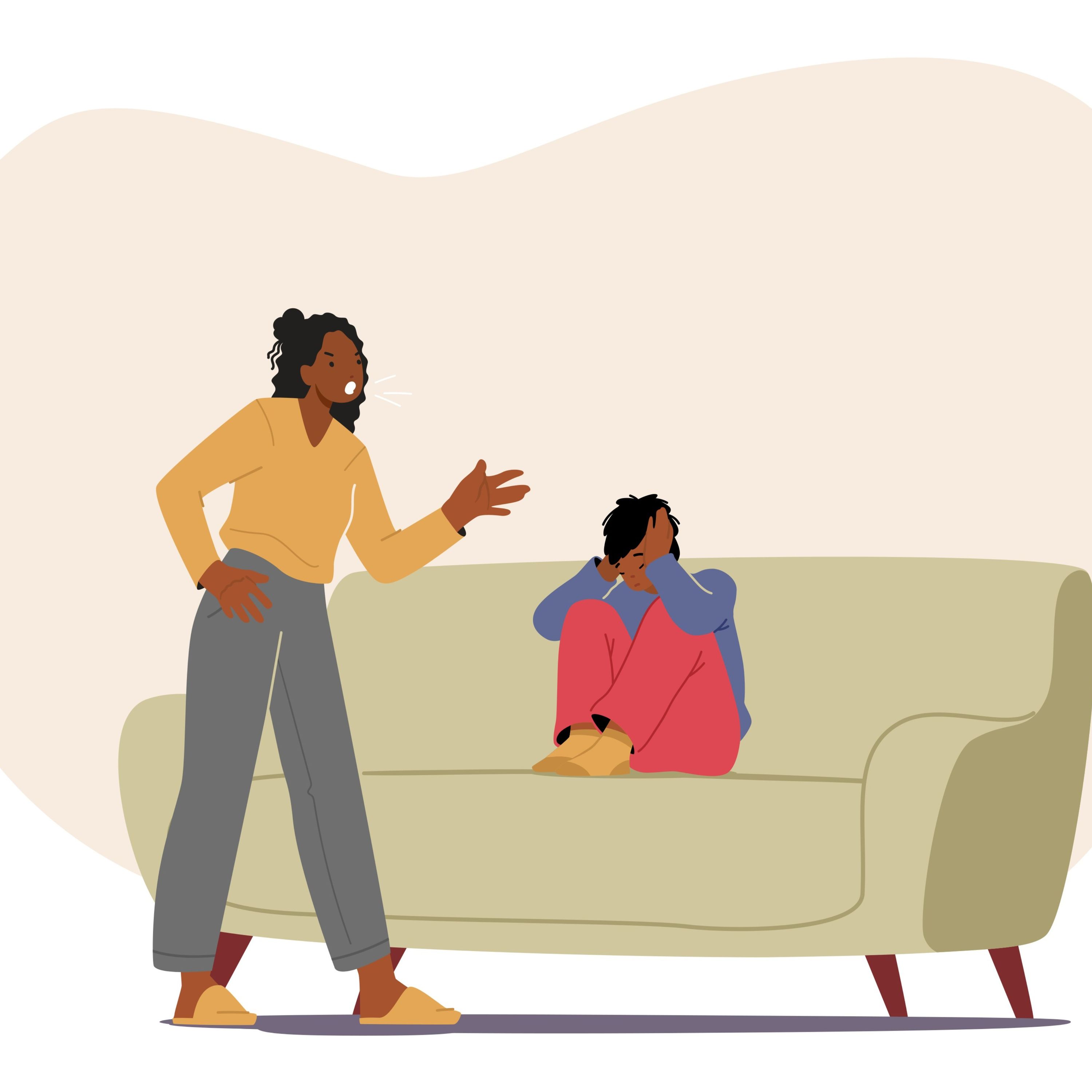
Instead of trying to find the perfect words, preface difficult feedback by stating your own nervousness. Saying, "I'm nervous to share this because I value our relationship," humanizes the interaction, disarms defensiveness, and makes the other person more receptive to the message.

Overcome the fear of negative feedback by reframing it. A person leaving a hateful comment is likely deeply unhappy. Instead of feeling attacked, feel pity for their state of mind. This psychological shift neutralizes the comment's emotional power over you.

The key to a successful confrontation is to stop thinking about yourself—whether you need to be seen as tough or be liked. The singular goal is to communicate the unvarnished truth in a way the other person can hear and act upon, without their defensiveness being triggered by your own emotional agenda.

People are more willing to accept and incorporate feedback about traits they see as secondary, like being "well-spoken" or "witty." Tying feedback to core identity traits, such as kindness or integrity, is more likely to be perceived as a threat and trigger a defensive response.
Based on a Zen story, "eating the blame" involves proactively apologizing for your part in a conflict, even when you feel your partner is more at fault. This emotionally counter-intuitive act breaks the cycle of defensiveness and creates space for resolution, making it a highly agentic move.