Get your free personalized podcast brief
We scan new podcasts and send you the top 5 insights daily.
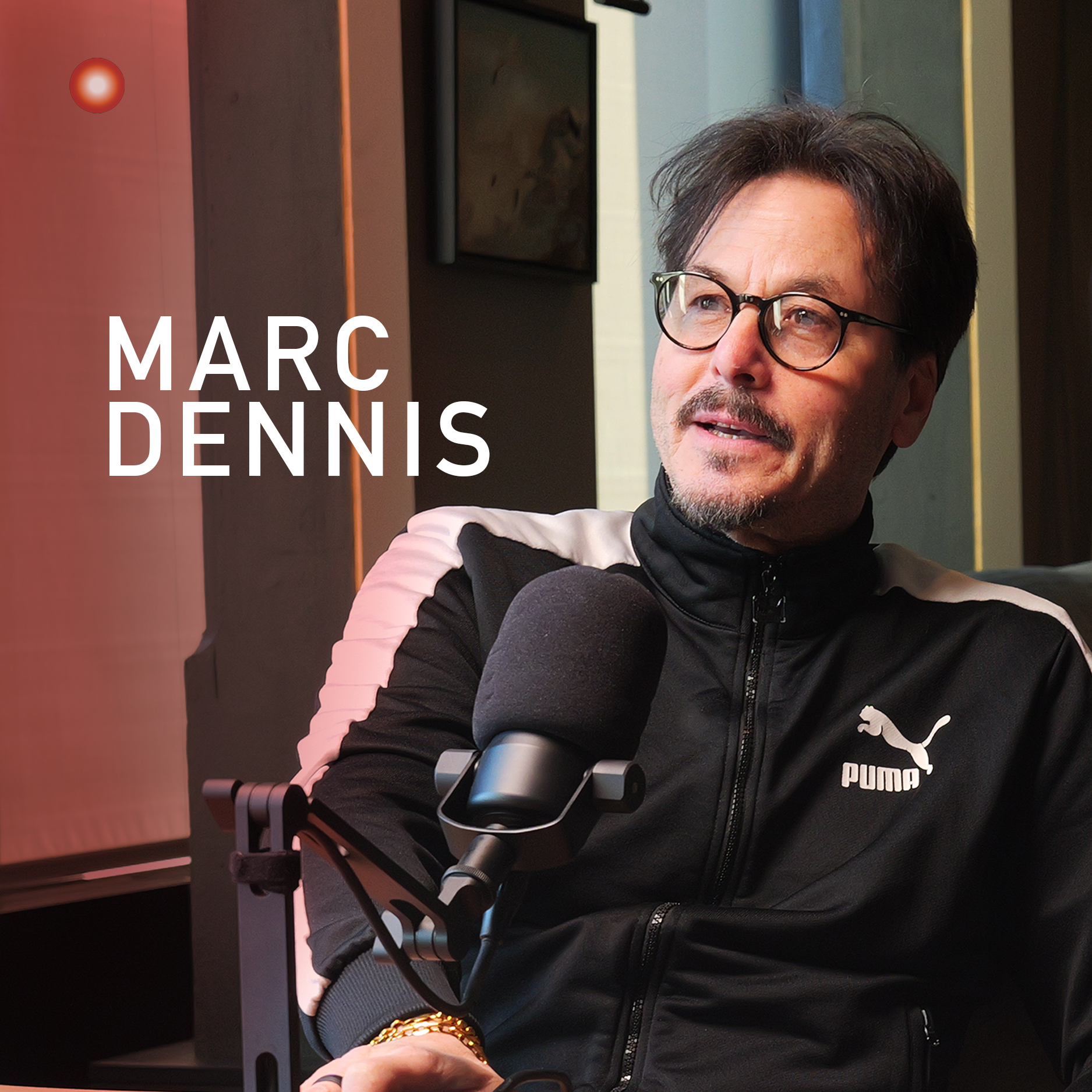
Instead of offering a formula for success, artist Marc Dennis tells aspiring creatives that the key to failure is trying to please everyone. True artistic success requires finding and staying true to a unique voice, even if it disappoints others' expectations or preconceived notions.
Related Insights
True creative collaboration requires honest feedback, not sycophancy. The ultimate test of a potential collaborator is their willingness to give critical feedback when it's riskiest for them—like during a job interview. This signals they value the work's integrity over simply getting the job.

The most effective ideas are not the most outlandish. Human psychology craves both novelty and familiarity simultaneously. Truly successful creative work, from marketing to scientific research, finds the perfect balance between being innovative and being grounded in something the audience already understands.

Companies like Nintendo and bands like Radiohead achieved longevity by pursuing their own vision, even when it contradicted what their fans wanted. This willingness to alienate the current audience is a key, albeit risky, path to true innovation and creating cult classics.

Creativity thrives not from pressure, but from a culture of psychological safety where experimentation is encouraged. Great thinkers often need to "sit on" a brief for weeks to let ideas incubate. Forcing immediate output stifles breakthrough campaign thinking.
Technical talent is not the primary driver of resonant creative work. The key ingredient is 'taste'—an unteachable ability to discern what will be emotionally pleasing and impactful to an audience. This intuitive sense separates good creators from great ones.
Conventional, consensus-driven marketing seems safe but ensures your brand never cuts through the noise. To stand out and create something differentiated, marketers must be courageous and fight against mediocrity, even if it feels riskier in the short term.

The traditional client service model is flawed because it forces ambitious creatives to seek approval from clients who often have lower creative standards and care less about the outcome. This dynamic inherently limits the potential of the work.

Marc Dennis states his purpose is not self-expression or personal catharsis. Instead, he aims to create work that entertains others, providing a mirror for them to reflect upon and discover parts of themselves within his art. His success is measured by the audience's self-discovery.
Instead of striving for perfection, the key to overcoming creative blocks is to allow yourself to create subpar work. Acknowledging that 80-90% of an initial draft will be discarded lowers the stakes and makes it easier to begin the creative process.

To build a sustainable career, creatives can't rely solely on external validation like sales or praise. Motivation must come from the intrinsic value found in the act of "making the thing." This internal focus is the only way to avoid an insatiable and unfulfilling need for approval.