Get your free personalized podcast brief
We scan new podcasts and send you the top 5 insights daily.
The "99% Invisible" team uses shorthand phrases like "CWGHF" (Can We Get Here Faster?). This coded language transforms potentially harsh criticism into a shared, objective problem to solve, depersonalizing feedback and protecting creative morale during intense group edits.

Related Insights
To give difficult feedback, use the Situation-Behavior-Impact (SBI) model. Instead of making accusations, state the situation, the specific behavior, and crucially, the impact it had on you. This approach prevents triggering a defensive, fight-or-flight response in the recipient.

People won't bring you problems if they fear your reaction. To build trust, leaders must not only control their emotions but actively thank the messenger. This reframes problem-reporting from a negative event to a positive act that helps you see reality more clearly.

Critiques using words like 'beautiful' or 'ugly' are often perceived as moral judgments on one's identity. In contrast, using less-charged, functional words like 'boring' frames the feedback as an objective problem to be solved, making it more palatable and actionable for the recipient.

Instead of avoiding risk, teams build trust by creating a 'safe danger' zone for manageable risks, like sharing a half-baked idea. This process of successfully navigating small vulnerabilities rewires fear into trust and encourages creative thinking, proving that safety and danger are more like 'dance partners' than opposites.

Teams can cultivate a shared sense of taste by encouraging constant and rigorous critique of both internal and external work. This process allows the team to self-regulate, learn from each other, and elevate their collective craft without top-down mandates.
The "99% Invisible" podcast subjects every script to a live table read where the entire staff provides hundreds of written comments in a shared document. This process is intensely rigorous but culturally gentle, focusing on elevating the story without personal criticism.
To encourage participation from everyone, leaders should focus on the 'why' behind an idea (intention) and ask curious questions rather than judging the final output. This levels the playing field by rewarding effort and thoughtfulness over innate talent, making it safe for people to share imperfect ideas.
People are more willing to accept and incorporate feedback about traits they see as secondary, like being "well-spoken" or "witty." Tying feedback to core identity traits, such as kindness or integrity, is more likely to be perceived as a threat and trigger a defensive response.
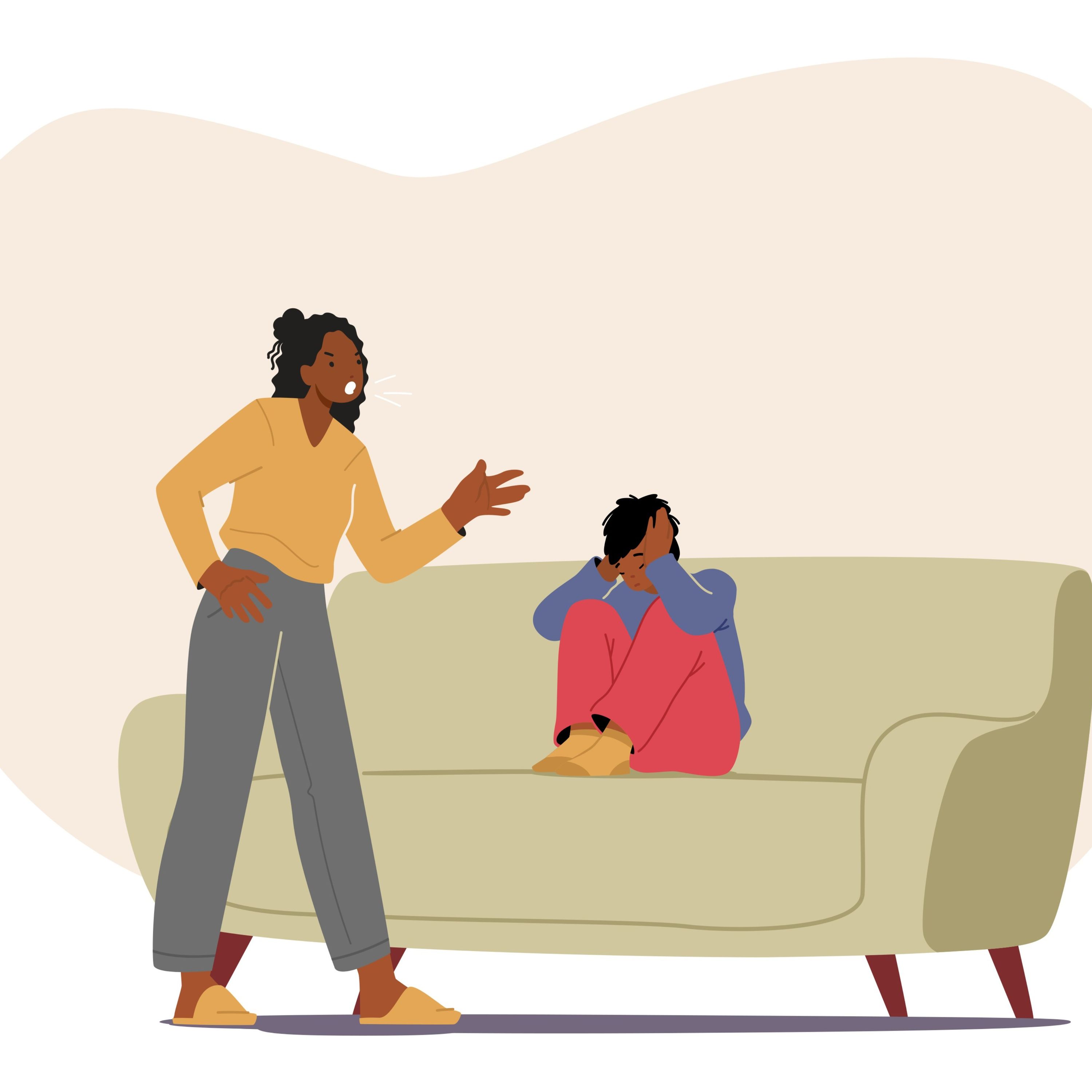
To prevent resentment in high-pressure teams, implement a scheduled forum for fearless feedback, like a "Sunday SmackDown." This creates a predictable, safe container for airing grievances—personal or professional. By separating critique from daily operations, it allows team members to be open and constructive without the awkwardness or fear of disrupting morale, thereby preventing small issues from escalating.
Leveraging frameworks like Human Design transforms team collaboration. By understanding archetypes (e.g., a fast-executing Manifesting Generator vs. a guiding Projector), team members can anticipate and accommodate different work styles, turning potential points of friction into a complementary partnership.