Get your free personalized podcast brief
We scan new podcasts and send you the top 5 insights daily.
Despite numerous offers, Alison Roman refuses to license her name for a ghost kitchen. She feels it's an impersonal, inauthentic model that 'devalues what I actually do,' drawing a clear line between selling a product (sauce) and selling a prepared meal experience she can't control.

Related Insights
Chef Alison Roman grounds her identity in being a "writer" and a "cook"—professions that could exist without electricity or the internet. This focus on core, non-digital skills provides career stability and creative integrity in a rapidly changing media landscape.
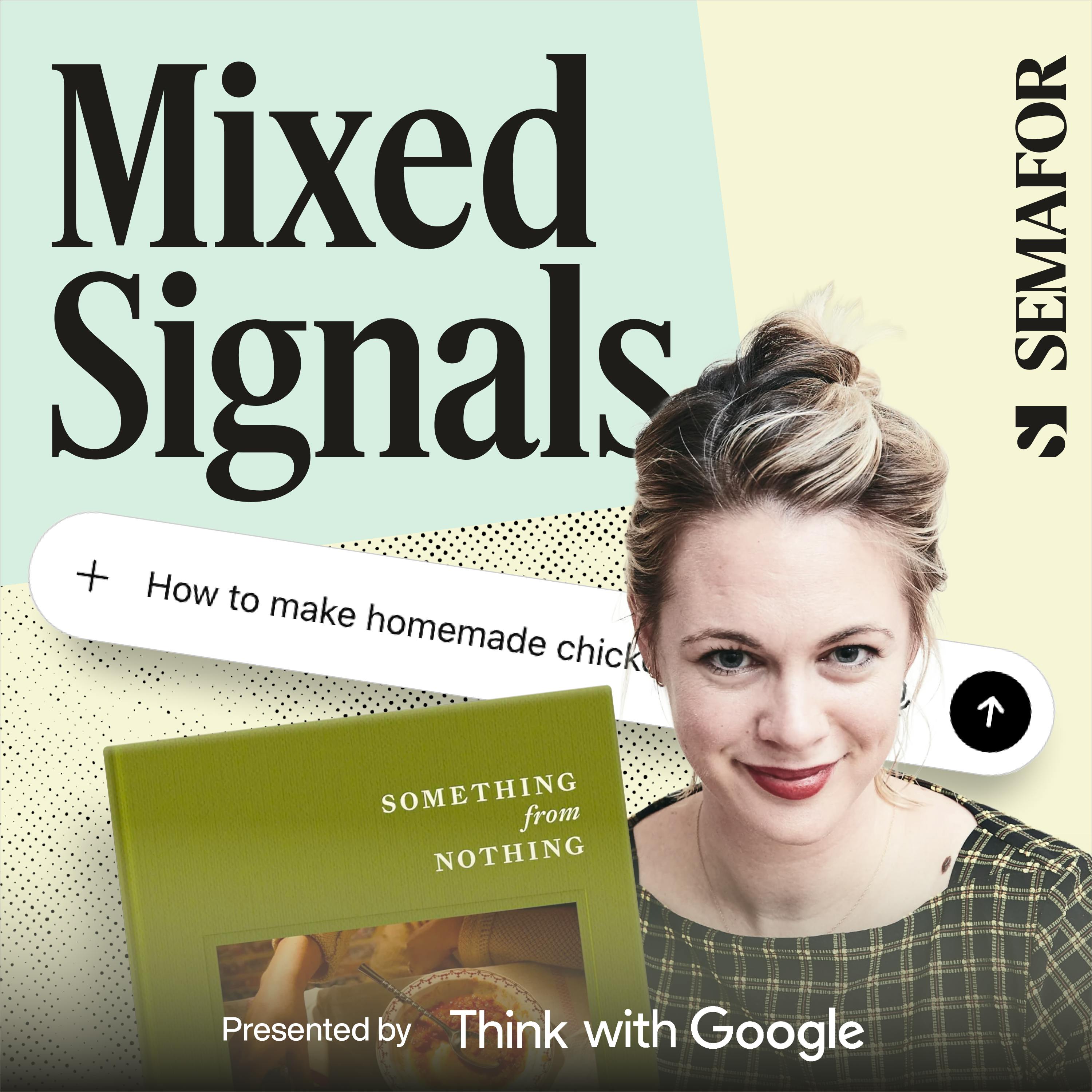
Influential chefs are reluctant to promote finished CPG products (like sauces) that compete with their expertise. However, they will champion a premium ingredient brand like Bold Bean Co. because it enhances their own recipes without compromising their culinary authority, making them natural advocates.
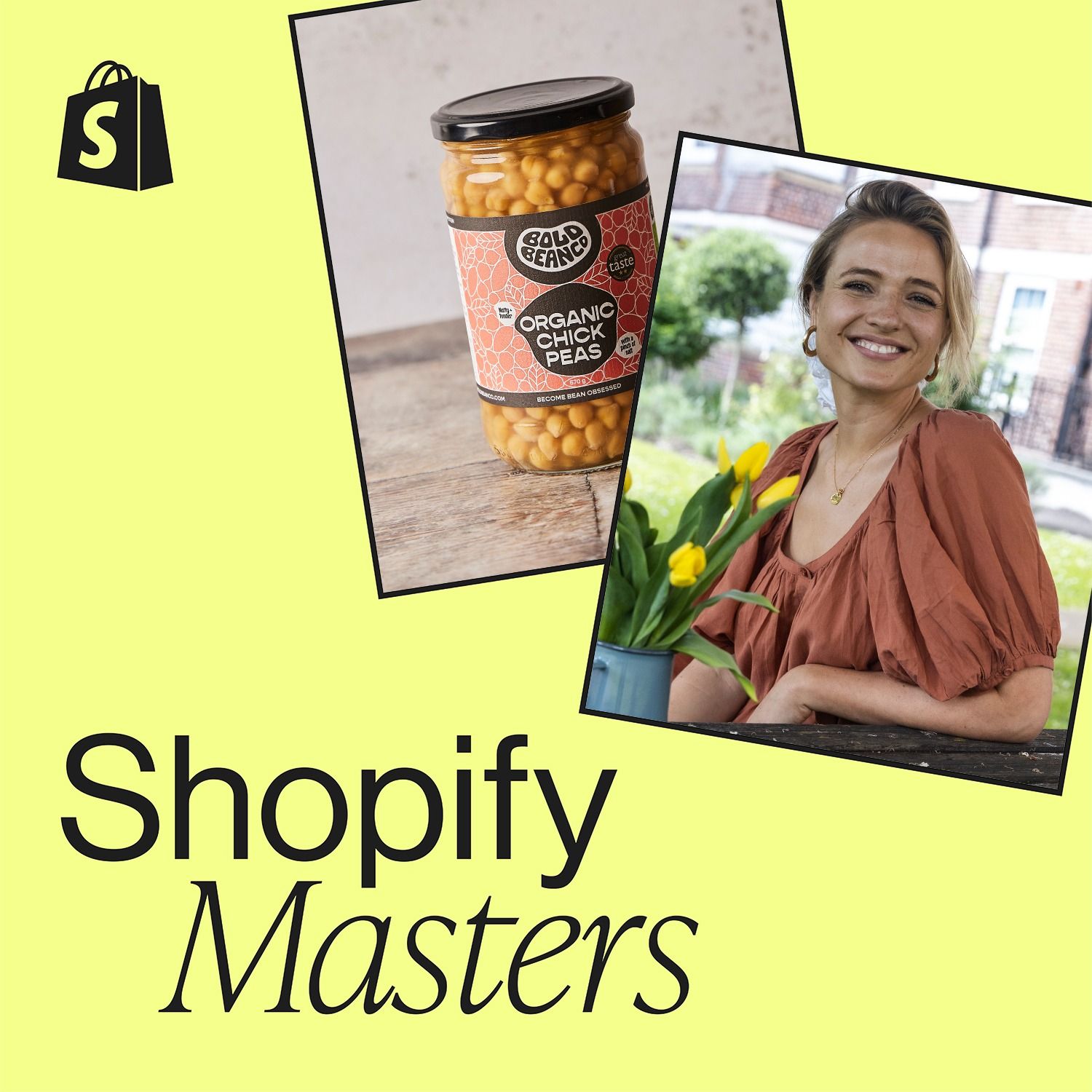
The founder intentionally avoids tracking competitors, believing it leads to imitation and dilutes his unique brand identity. He compares it to a race: looking sideways slows you down. This focus on his own lane ensures the brand remains differentiated and authentic rather than reactive.
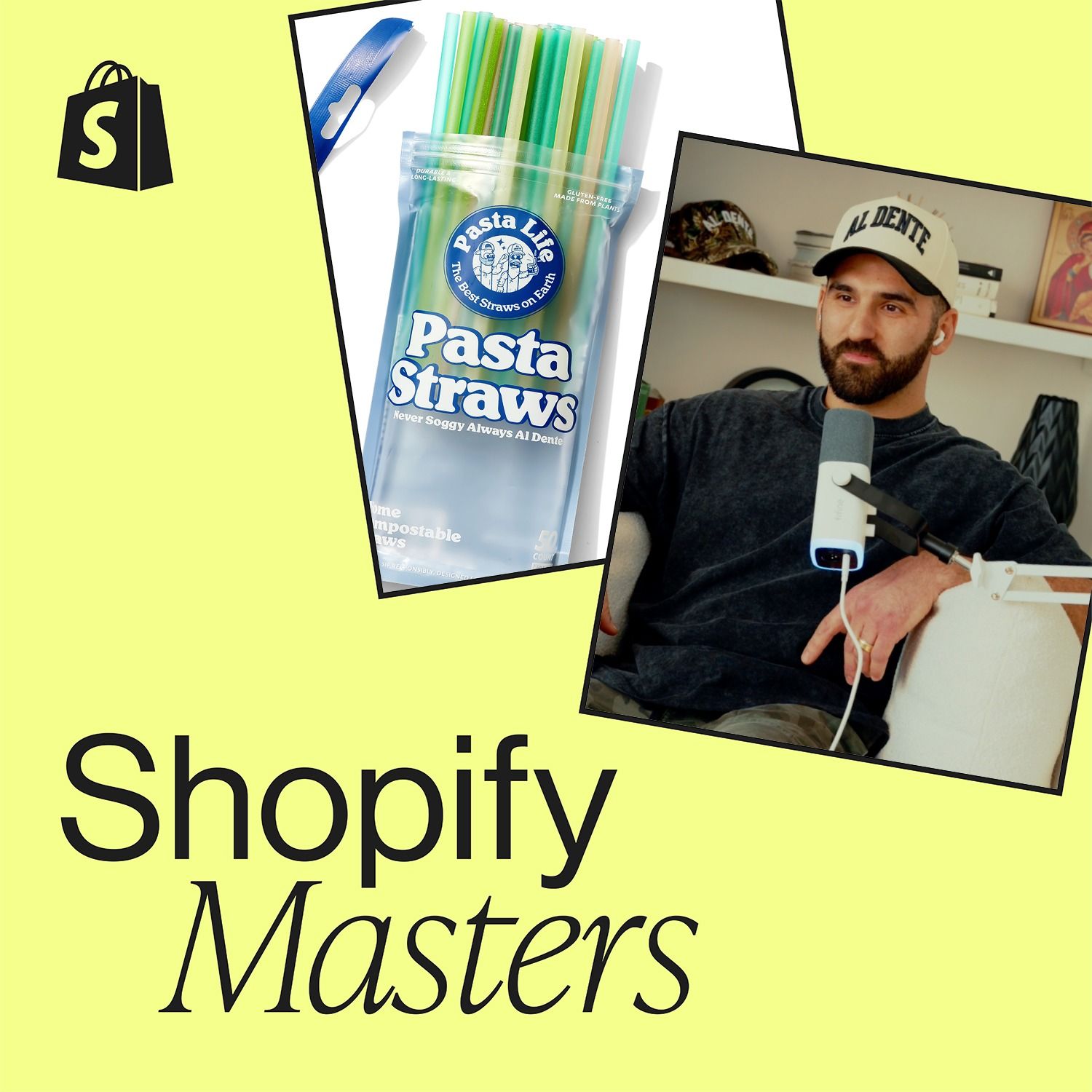
When Sephora first approached T3, their request was to create a Sephora-branded hair dryer. Despite being a young, bootstrapped company, T3 declined the white-label opportunity. They insisted on selling under their own brand name, a crucial decision that allowed them to build long-term brand equity instead of becoming a disposable supplier.
Chef Alison Roman suggests The New York Times had a "don't get too famous" culture, feeling threatened when a creator's personal brand grew too large. This highlights the conflict legacy media faces in cultivating talent they need but cannot fully control.
Alison Roman differentiates her tomato sauce by moving away from the typical 'chef-focused, male-dominated' branding of competitors like Carbone. She also notes that market leaders are often newer than perceived, creating opportunities for disruption.
A successful entrepreneur who built her business on her personal brand now cautions against it being the only viable strategy. She admits she was wrong and now advocates for building businesses not tied to one's name and likeness, stressing the need to separate the human from the brand.

When paid creators (bloggers, influencers) refuse to attach their names to a branded project, it signals a fundamental misalignment. This should be treated as a critical stop-gate for the campaign, regardless of sunk costs, as it invalidates the premise of authenticity from the start.

Mark Cuban advises a craftsman to stop marketing the product brand and start selling the artist's name. The creator's story and skill are the true value, which justifies premium pricing and builds a stronger brand.

The founders are extremely selective, rejecting most potential partnerships and opportunities. This discipline ensures every decision aligns with their long-term vision and values, preventing brand dilution and allowing them to grow in a way that feels organic and intentional.