Get your free personalized podcast brief
We scan new podcasts and send you the top 5 insights daily.
Mark Cuban advises a craftsman to stop marketing the product brand and start selling the artist's name. The creator's story and skill are the true value, which justifies premium pricing and builds a stronger brand.

Related Insights
A brand's true value is derived from the personal meaning a consumer attributes to it. This is distinct from its 'worth,' which is merely the transactional price the market will bear. The goal is to build meaning, which in turn drives up perceived value and justifies market worth.

To combat price objections, artisan cheese expert Adam Moskowitz reframes his product not as expensive, but as valuable. The superior flavor-per-bite of quality cheese provides more intrinsic value than cheaper, mass-market alternatives that primarily offer a generic 'creamy' texture.

In markets saturated with similar product features, true differentiation comes from personality. Brands must find their "inner weird" and the human, universal truths that create an emotional connection, rather than focusing only on technical specs.

A business with a generic name, boring logo, and no personality is just a "company" and will always struggle to charge more. Building a memorable "brand" signals seriousness and investment, allowing you to stand out and justify a higher price point.

To create a brand that outlasts any individual, founder Nima Jalali avoids making his pro-snowboarder background the central marketing story. He believes a brand’s narrative should be bigger than one person's story to achieve true longevity, comparing it to how Apple markets the iPhone, not Steve Jobs.
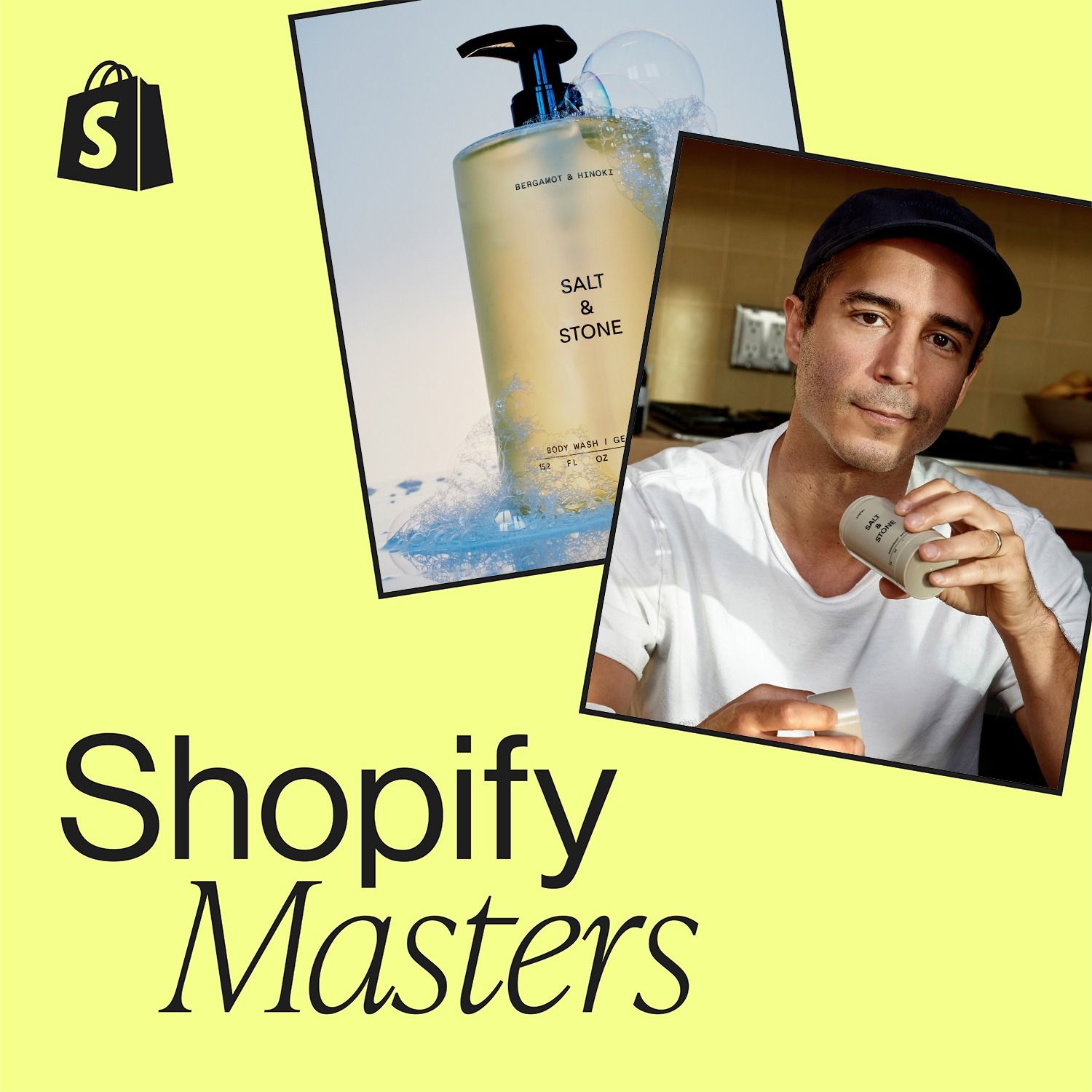
Not every brand has a compelling, authentic founder story. Instead of fabricating one, successful brands should build a strong philosophy and make the customer the hero of the narrative. This shifts the focus from the founder's journey to the customer's transformation.

In a crowded market, brand is defined by the product experience, not marketing campaigns. Every interaction must evoke the intended brand feeling (e.g., "lovable"). This transforms brand into a core product responsibility and creates a powerful, defensible moat that activates word-of-mouth and differentiates you from competitors.

Buffett's Margaritaville wasn't just a brand; it was an experience for his fans, extending to retirement homes. This highlights how entrepreneurs can create value by building businesses that are genuine extensions of their identity and continuously serve their core audience in new, unexpected ways.

Simply adding a celebrity to an ad provides no average lift in effectiveness. Instead, marketers should treat the brand’s own distinctive assets—like logos, sounds, or product truths—as the true 'celebrities' of the campaign. This builds stronger, more memorable brand linkage and long-term equity.

Move beyond listing features and benefits. The most powerful brands connect with customers by selling the emotional result of using the product. For example, Swishables sells 'confidence' for a meeting after coffee, not just 'liquid mouthwash.' This emotional connection is the ultimate brand moat.
