Get your free personalized podcast brief
We scan new podcasts and send you the top 5 insights daily.
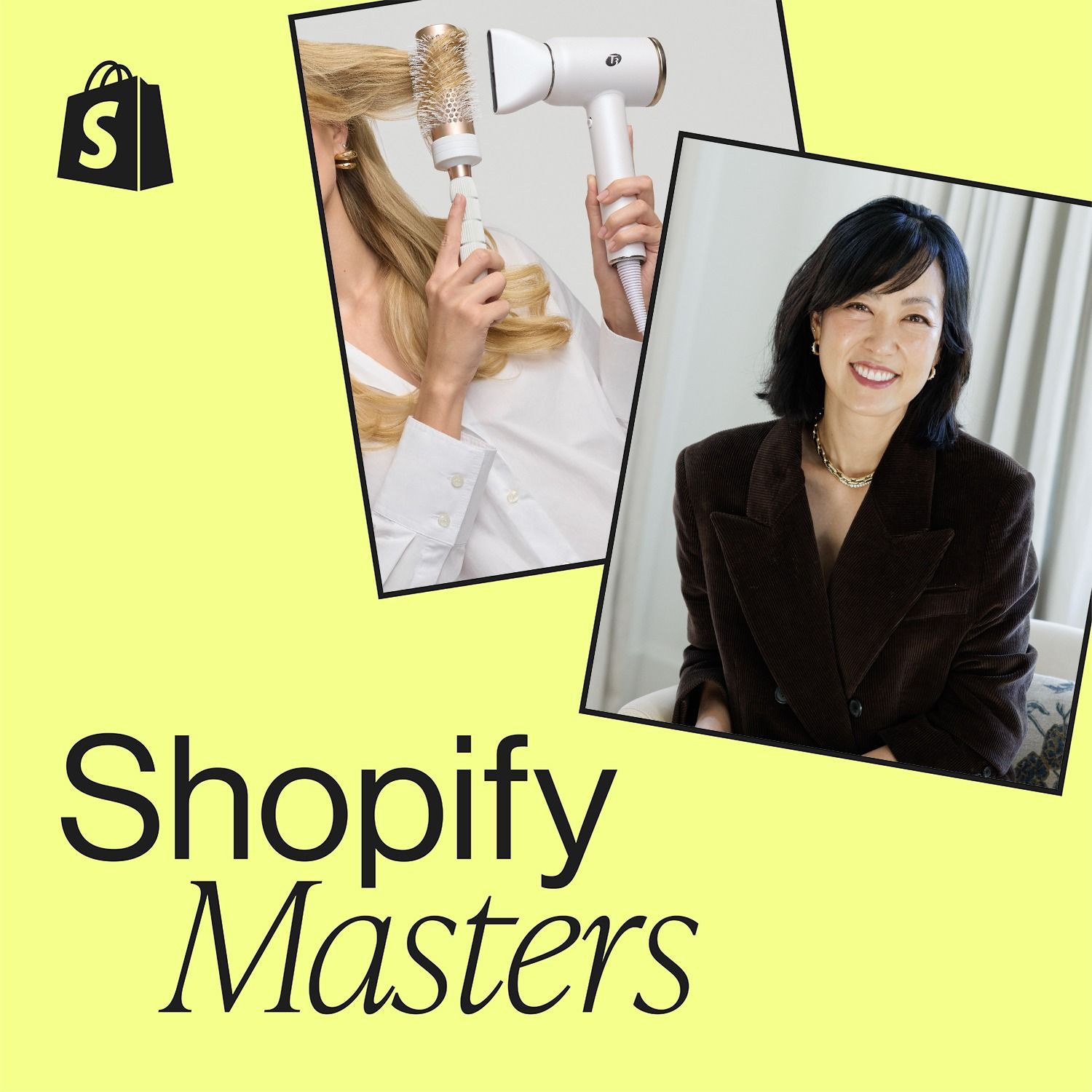
When Sephora first approached T3, their request was to create a Sephora-branded hair dryer. Despite being a young, bootstrapped company, T3 declined the white-label opportunity. They insisted on selling under their own brand name, a crucial decision that allowed them to build long-term brand equity instead of becoming a disposable supplier.
Related Insights
Early on, Mary Kay's company sold individual items from its five-part skincare set. This led to poor results and negative word-of-mouth. They stopped this practice, prioritizing the customer's full experience and the product's efficacy over easy, short-term revenue, thus protecting the brand's reputation.
![Mary Kay Ash: The Greatest Saleswoman In History [Outliers] thumbnail](https://megaphone.imgix.net/podcasts/e183b016-cec7-11f0-90ea-27c38ce45de8/image/2d94065a7777f6297ba9350dd7be6b66.png?ixlib=rails-4.3.1&max-w=3000&max-h=3000&fit=crop&auto=format,compress)
T3's journey with Sephora shows that retail relationships are dynamic. After a successful launch, they were removed from brick-and-mortar stores for nearly a decade, surviving on online sales. They later returned to shelves by introducing new, innovative products. This illustrates that losing shelf space isn't final and can be regained with fresh offerings.
T3's founder knew a beautiful product would attract female consumers, comparing it to buying a laptop simply because it was pink. However, she stresses that aesthetic appeal is not enough for long-term success. If the beautifully designed product didn't deliver superior performance and results, the brand wouldn't have survived for 20 years.
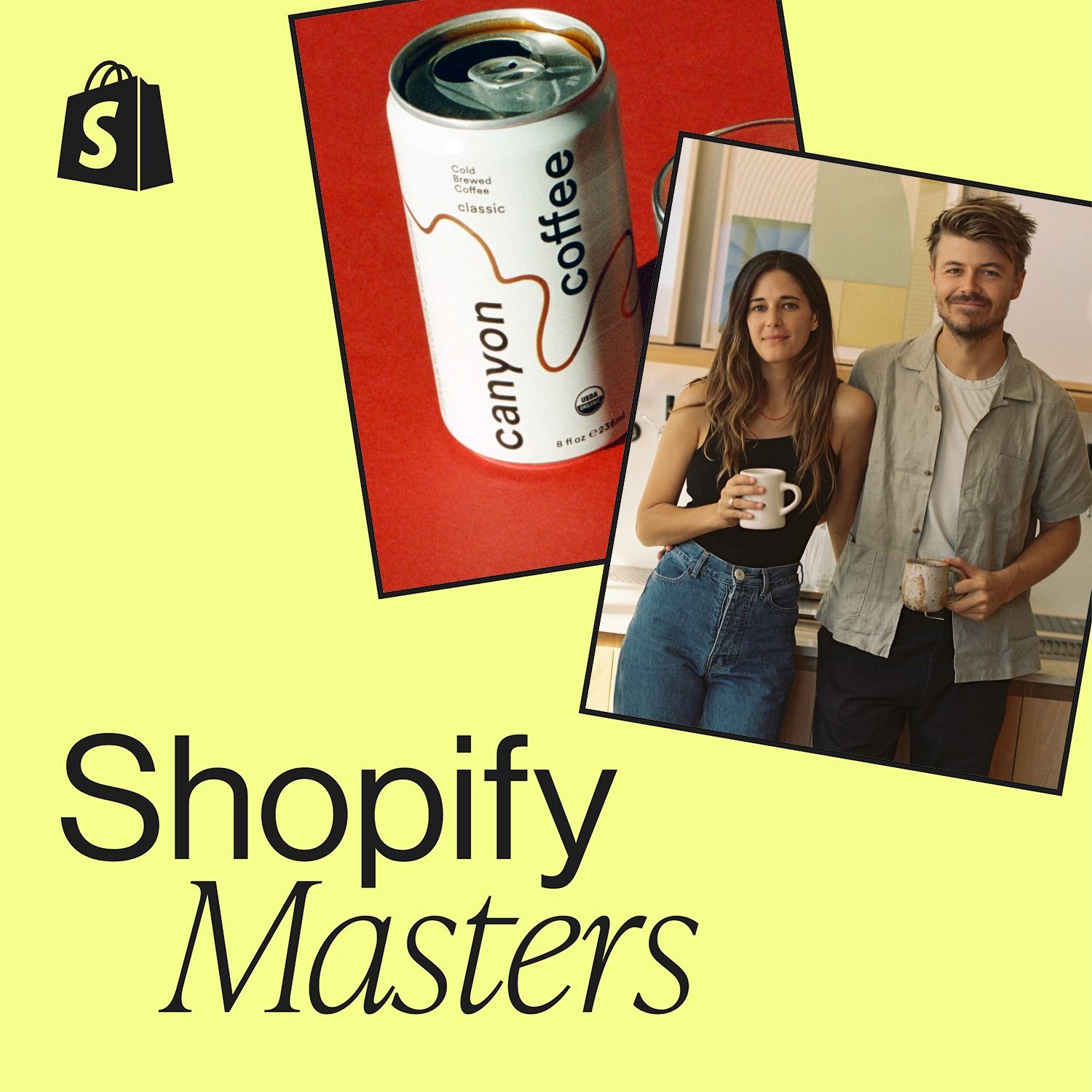
Coterie maintains its premium brand status by systematically rejecting initiatives that don't meet an extremely high bar. If a new product isn't 'demonstratively better' or in direct service to the customer, the company kills the project, protecting its brand and focus.
For the first time, Coach led its Black Friday and holiday season with brand messaging, not promotions. This reflects a conviction that building genuine brand desire reduces the need to compromise on price, even during peak sales periods, thus protecting brand value.

For premium retail brands, avoiding the temptation to discount is crucial. Lululemon's strategy to rarely offer sales, even when certain styles fall flat, demonstrates a focus on long-term brand preservation over short-term earnings boosts, a key positive indicator for investors.
T3 redefined the hair tool category by moving its products from the home appliance section to the beauty floor. By insisting on placement next to high-end skincare and cosmetics in retailers like Nordstrom, they changed consumer perception, justified a premium price, and created an entirely new market segment.
A brand's long-term health depends on leaders viewing themselves as stewards, not owners. This mindset allows the brand to have its own life, adapt, and evolve—much like a child growing into its own person—ensuring it can survive beyond the founder's direct control.

The founders are extremely selective, rejecting most potential partnerships and opportunities. This discipline ensures every decision aligns with their long-term vision and values, preventing brand dilution and allowing them to grow in a way that feels organic and intentional.
Instead of using traditional appliance PR, T3 hired a beauty-focused publicist to pitch their hair dryer to outlets like Vogue and InStyle. This out-of-the-box strategy legitimized the product as a beauty tool, created significant buzz, and directly led to Sephora discovering and contacting them for a partnership.