Get your free personalized podcast brief
We scan new podcasts and send you the top 5 insights daily.
Alison Roman differentiates her tomato sauce by moving away from the typical 'chef-focused, male-dominated' branding of competitors like Carbone. She also notes that market leaders are often newer than perceived, creating opportunities for disruption.

Related Insights
Founder Eric Ryan targets categories where competitors make products unnecessarily complex or take themselves too seriously. He views this as a sign of insecurity hiding a lack of real innovation. His strategy is to simplify the product and bring a playful, more human approach to the branding.

The ideal of using locally sourced, 'ugly' ingredients is often not financially viable for emerging CPG brands. This business model results in a very expensive product with a limited customer base, forcing a pragmatic approach to sourcing for mainstream appeal.
Rather than relying on patents, the founder built a defensible moat using brand strategy. This includes unique content, community engagement, and a trade-secret recipe, making it harder for competitors to replicate their success even if they copy the physical product.
Despite numerous offers, Alison Roman refuses to license her name for a ghost kitchen. She feels it's an impersonal, inauthentic model that 'devalues what I actually do,' drawing a clear line between selling a product (sauce) and selling a prepared meal experience she can't control.
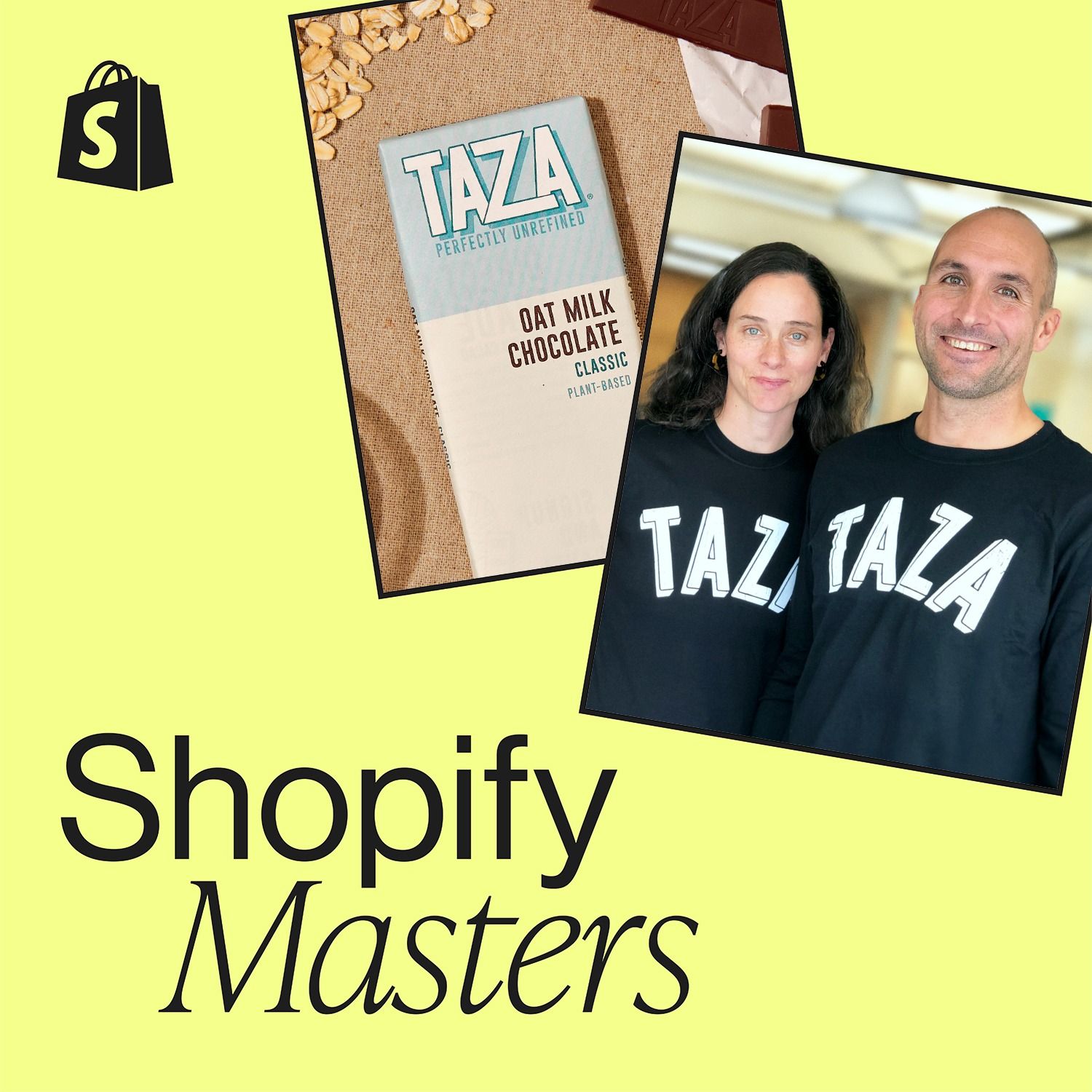
In a market dominated by corporations, Taza found a defensible niche by making a "polarizing" stone-ground chocolate. This strategy of appealing intensely to a core group, rather than pleasing the mass market, was key to their survival and success as a small business.
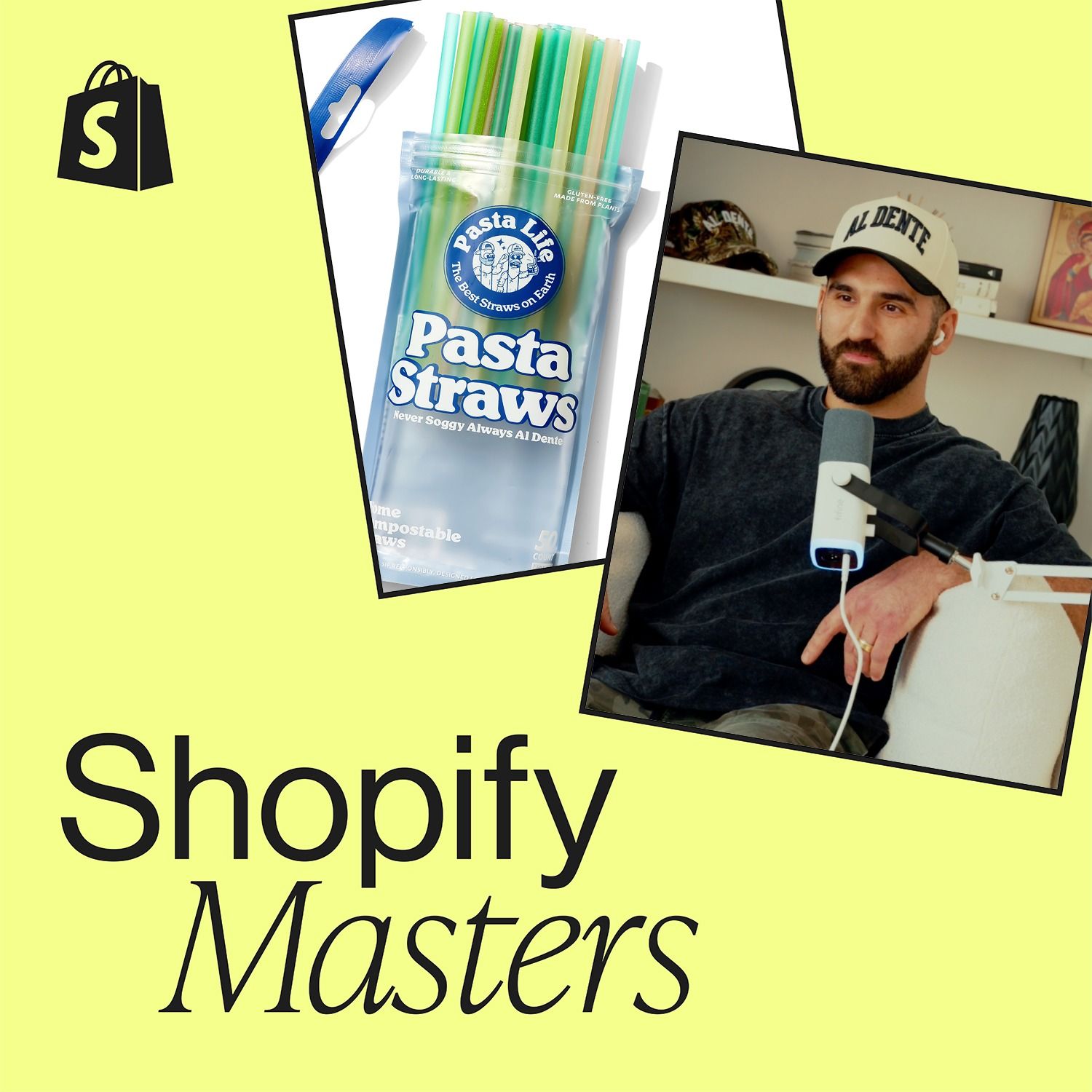
The founder intentionally avoids tracking competitors, believing it leads to imitation and dilutes his unique brand identity. He compares it to a race: looking sideways slows you down. This focus on his own lane ensures the brand remains differentiated and authentic rather than reactive.
Persisting with a difficult, authentic, and more expensive production process, like using fresh ingredients instead of flavorings, is not a liability. It is the very thing that builds a long-term competitive advantage and a defensible brand story that copycats cannot easily replicate.

Eric Ryan's playbook involves identifying large, established product categories where all competitors look the same. He then capitalizes on a cultural trend the category has missed, like applying personal care aesthetics to home cleaning, creating immediate differentiation and a clear business opportunity.
Spot & Tango entered the massive ($40B) and crowded dog food market. The founder saw this not as a threat, but an opportunity. The market's huge size and lack of a single 'category killer' meant there was ample room for a differentiated brand to succeed.

The meat snack category is traditionally masculine. Chomps followed suit until data revealed their "healthy achiever" customer was predominantly female. This insight prompted a total rebrand, shifting from a generic "cow brand" logo to a more fun, approachable identity that resonated and unlocked growth.
