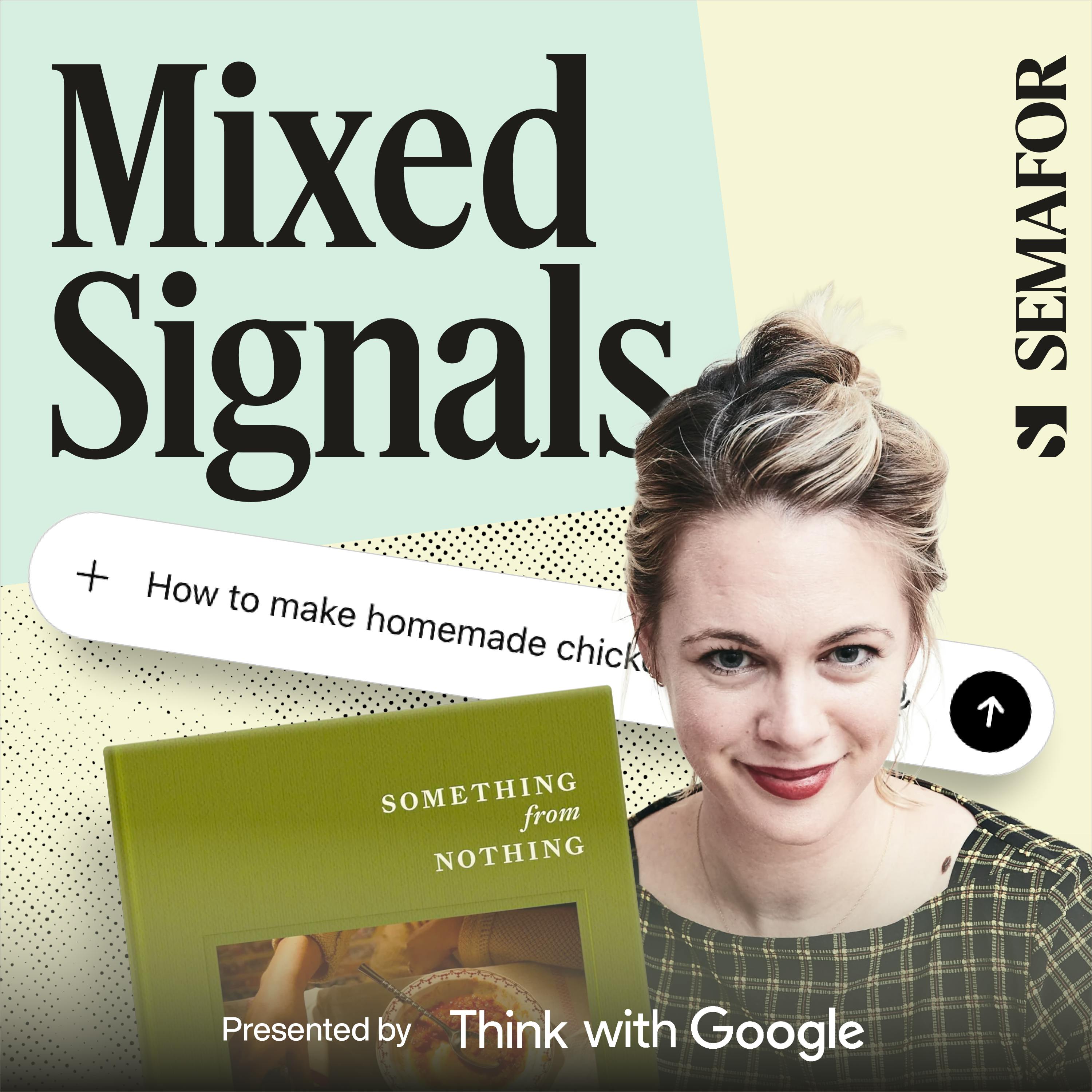
Alison Roman argues that while the "tradwife" aesthetic can seem reductive, the creators are often savvy entrepreneurs monetizing a persona. They are "making so much money by showing you this," which complicates the narrative that it's a purely anti-feminist regression.
After seeing AI generate predictable "Alison Roman style" recipes, she realized her tropes had become clichés. She now uses this AI-driven self-awareness as a creative prompt to evolve her work, consciously dropping signature phrases to avoid becoming a caricature of herself.
Cookbooks provide a cohesive, themed collection, offering a tangible, screen-free alternative to the endless stream of single-serving digital recipes. This creates a more meaningful and lasting connection with the content, turning a utility into a cherished object.
The creator of internet-famous recipes argues the sheer volume of content means the conditions for one item to dominate the cultural conversation no longer exist. "Everyone's famous, nothing's famous," she says, making true breakout virality a relic of the past.
Chef Alison Roman grounds her identity in being a "writer" and a "cook"—professions that could exist without electricity or the internet. This focus on core, non-digital skills provides career stability and creative integrity in a rapidly changing media landscape.
Chef Alison Roman suggests The New York Times had a "don't get too famous" culture, feeling threatened when a creator's personal brand grew too large. This highlights the conflict legacy media faces in cultivating talent they need but cannot fully control.
Alison Roman's unaired CNN show couldn't find a new home because it was fully edited to fit CNN's specific brand aesthetic. Networks like Amazon or Hulu want to shape their own original content from the start, not buy a pre-packaged show that feels like another brand's leftover.