Get your free personalized podcast brief
We scan new podcasts and send you the top 5 insights daily.
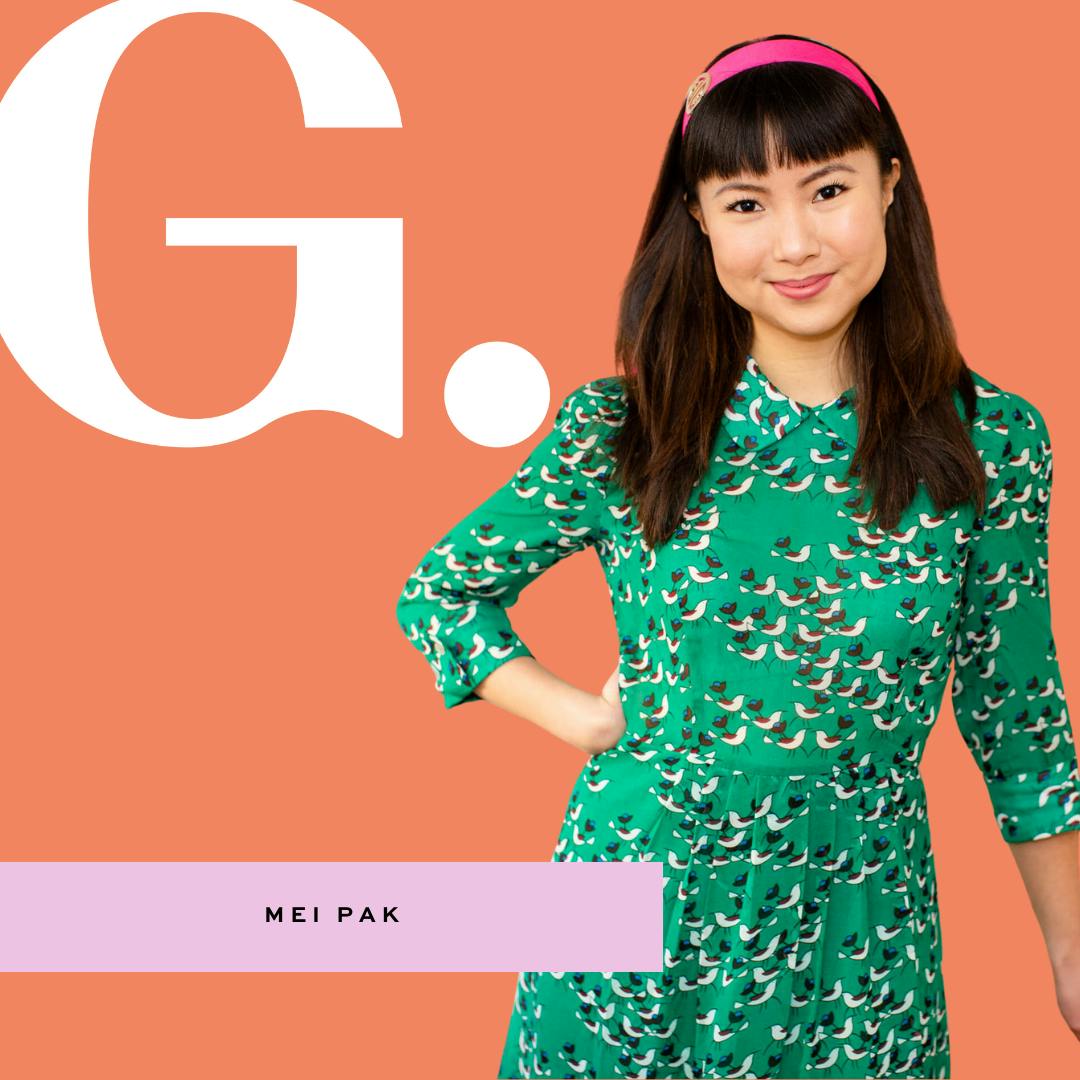
A successful entrepreneur who built her business on her personal brand now cautions against it being the only viable strategy. She admits she was wrong and now advocates for building businesses not tied to one's name and likeness, stressing the need to separate the human from the brand.

Related Insights
New entrepreneurs often hide their personality, believing their work should stand alone. This stems from imposter syndrome and a desire to blend in. However, clients connect with the person behind the brand first. Hiding yourself is a disservice that prevents the trust and differentiation needed to build a loyal audience.
View your personal brand or "likeness" not just as a marketing tool, but as a strategic asset that generates deal flow. This asset grants access to rooms and relationships that can be converted into partnerships, ownership stakes, and long-term revenue streams, fundamentally shifting you from talent-for-hire to an equity holder.

Guest Mae Pack built a multiple seven-figure handmade business after abandoning social media, which yielded low ROI and drained her energy. She instead focused on media outreach and collaborations, which aligned with her strengths and produced more impactful, long-lasting results.
Don't fear being wrong or evolving your opinions publicly. Having a content library that documents your changing beliefs isn't a liability; it's proof of growth and humility. Audiences connect with real people who learn over time, not with static figures who pretend to be perfect from the start.
Whitney Wolfe Herd explains how stepping away from Bumble and separating her personal identity from the company's gave her crucial perspective. This "space" between the circles of self and company, while counterintuitive to investors, ultimately made her a more effective leader upon her return.

Don't dismiss the success of celebrity brands as unattainable. Instead, analyze the core mechanism: massive 'free reach' and 'memory generation.' The takeaway isn't to hire a celebrity, but to find your own creative ways to generate a similar level of organic attention and build a tribe around your brand.

The nature of marketing has shifted from promoting a faceless corporation to showcasing an authentic founder personality. Companies without an interesting character at the helm are at a disadvantage. This requires leaders to be public figures, as their personal brand, story, and voice are now integral to the company's identity and success.

When paid creators (bloggers, influencers) refuse to attach their names to a branded project, it signals a fundamental misalignment. This should be treated as a critical stop-gate for the campaign, regardless of sunk costs, as it invalidates the premise of authenticity from the start.

A brand's long-term health depends on leaders viewing themselves as stewards, not owners. This mindset allows the brand to have its own life, adapt, and evolve—much like a child growing into its own person—ensuring it can survive beyond the founder's direct control.

For celebrities, the most effective path to massive wealth isn't always starting their own company. A more strategic approach is to identify a promising brand and exchange social capital for a significant equity stake, as Roger Federer did with On. This leverages influence without the operational burden of building a business from scratch.
