Get your free personalized podcast brief
We scan new podcasts and send you the top 5 insights daily.
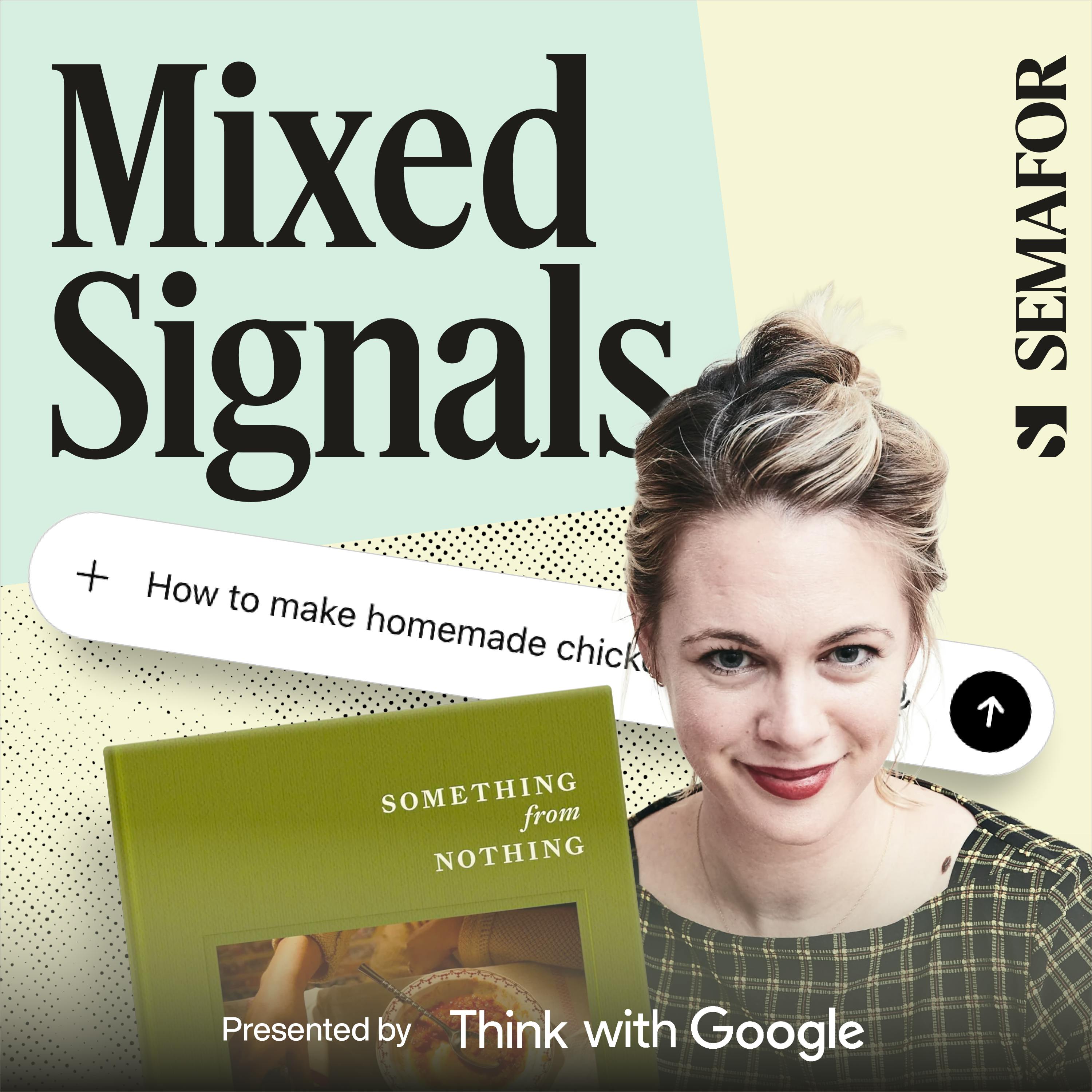
Chef Alison Roman grounds her identity in being a "writer" and a "cook"—professions that could exist without electricity or the internet. This focus on core, non-digital skills provides career stability and creative integrity in a rapidly changing media landscape.
Related Insights
For professionals in declining fields like Hollywood production, reinvention requires abstracting core skills. A line producer's expertise in organization, vendor management, and execution is directly transferable to a growth sector like high-end event planning, which capitalizes on the consumer shift from things to experiences.

To create authentic work, creators should ignore social media's immediate feedback loops, which reward outrage. Instead, write as if the only audience is your children 20 years from now. This forces fearlessness and a focus on timeless truths over transient, algorithm-pleasing trends.

The creator of internet-famous recipes argues the sheer volume of content means the conditions for one item to dominate the cultural conversation no longer exist. "Everyone's famous, nothing's famous," she says, making true breakout virality a relic of the past.
Technical talent is not the primary driver of resonant creative work. The key ingredient is 'taste'—an unteachable ability to discern what will be emotionally pleasing and impactful to an audience. This intuitive sense separates good creators from great ones.

Cookbooks provide a cohesive, themed collection, offering a tangible, screen-free alternative to the endless stream of single-serving digital recipes. This creates a more meaningful and lasting connection with the content, turning a utility into a cherished object.
Many aspiring creators who fail at traditional content (brand deals, affiliates) aren't necessarily untalented. They might be better suited for an alternative format like live shopping, which rewards different skills like salesmanship and live interaction. Success is about finding the right format for your inherent destiny and talents.

Lifetime's CCO argues that creative leaders should not become pure managers. He maintains his edge and leads by example by actively participating in the creative process, from logo design to app experience concepts. He believes any creative leader who doesn't "get their hands dirty" is less trustworthy and effective.

After seeing AI generate predictable "Alison Roman style" recipes, she realized her tropes had become clichés. She now uses this AI-driven self-awareness as a creative prompt to evolve her work, consciously dropping signature phrases to avoid becoming a caricature of herself.
There's a fundamental irony in creative careers: to succeed professionally, artists must often master the very business skills they initially disdained. The passion for the art form—be it drumming or painting—is not enough. A sustainable career is built upon learning marketing, finance, and management, effectively turning the artist into an entrepreneur to support their own creative output.
Marketing platforms and tools are transient, but a deep understanding of human psychology and behavior is a timeless, foundational skill. Aspiring leaders are advised to focus on becoming "fluent in people," as this will allow them to adapt to any technological shift.