Get your free personalized podcast brief
We scan new podcasts and send you the top 5 insights daily.
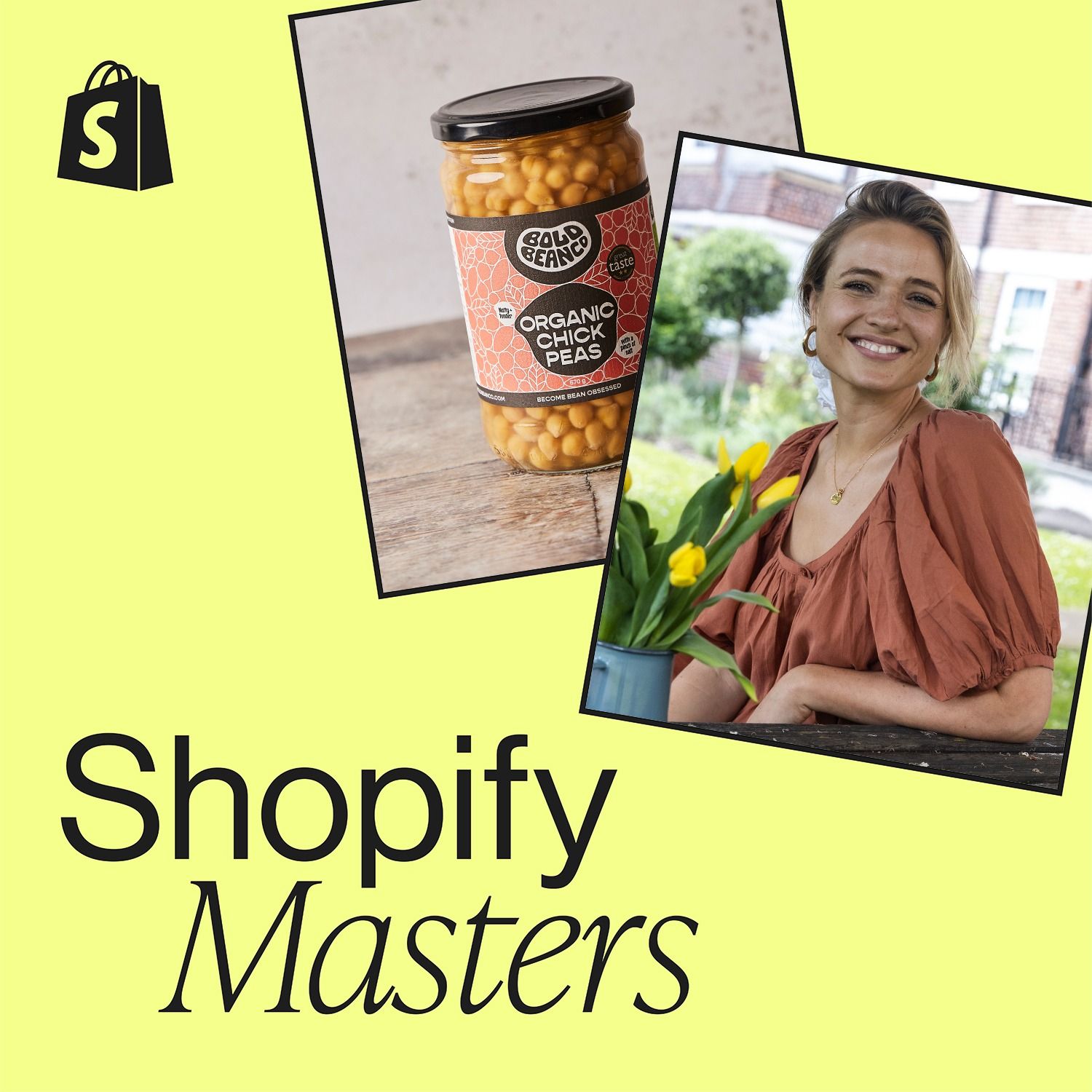
Influential chefs are reluctant to promote finished CPG products (like sauces) that compete with their expertise. However, they will champion a premium ingredient brand like Bold Bean Co. because it enhances their own recipes without compromising their culinary authority, making them natural advocates.
Related Insights
James Ashford modeled his marketing on celebrity chefs who share recipes freely yet still have packed restaurants. He taught accountants exactly how to improve their pricing without his software, building trust so that when they wanted an easier solution, GoProposal was the only choice.

The brand avoids direct sales pitches in its content. Instead, it provides value by publishing hundreds of free recipes. This "give first" strategy builds trust and a long-term relationship, leading to organic purchases when consumers are ready to buy at the supermarket.
The brand used clear glass jars, initially a byproduct of a superior cooking method, to showcase the beans' quality. This transparency shifted consumer perception from a hidden pantry staple to a premium, display-worthy ingredient, justifying a higher price point.
Persisting with a difficult, authentic, and more expensive production process, like using fresh ingredients instead of flavorings, is not a liability. It is the very thing that builds a long-term competitive advantage and a defensible brand story that copycats cannot easily replicate.

Key Opinion Leaders (KOLs) and creators are shifting from being brand partners to direct competitors. They leverage their audiences to launch their own products (e.g., Prime vs. Gatorade), posing a significant strategic threat to established CPG brands by bypassing traditional retail and marketing.

Instead of relying solely on paid ads, a niche e-commerce brand can partner with micro-creators in its vertical. This creates an ambassador network that provides both a powerful sales channel and predictive data on which products will perform best.

To transition from a product to a lifestyle brand, Hexclad pursued a grand-scale influencer strategy. They targeted the world's best chefs, sending products and even "sneaking into" exclusive Michelin star events to build relationships. This top-down approach established premium credibility.

Gamma’s founder personally onboarded early influencers, walking them through the product and brainstorming hooks. This investment treats influencers as extensions of the team, not just a media buy, fostering genuine understanding and authentic promotion in their own voice.
Bold Bean Co. found that creating a premium product in a "forgotten, dull" category like beans was a strategic advantage. The novelty makes consumers talk. People find it entertaining to become obsessed with beans, generating more word-of-mouth than launching yet another premium chocolate brand.
In a product-led world, the B2B concept of 'founder-led sales' evolves into 'founder-led marketing.' Founders must deeply own the brand's narrative. This means personally onboarding key influencers and being the first to learn how to tell the story broadly, ensuring the message is right before scaling the function.
