Get your free personalized podcast brief
We scan new podcasts and send you the top 5 insights daily.
The founders are extremely selective, rejecting most potential partnerships and opportunities. This discipline ensures every decision aligns with their long-term vision and values, preventing brand dilution and allowing them to grow in a way that feels organic and intentional.
Related Insights
Owning 100% of the equity allows the founders to make unconventional, long-term decisions that prioritize fan experience over short-term profits. They explicitly state that shareholders would force them to add fees and ads, demonstrating the strategic value of bootstrapping to protect a brand's integrity.

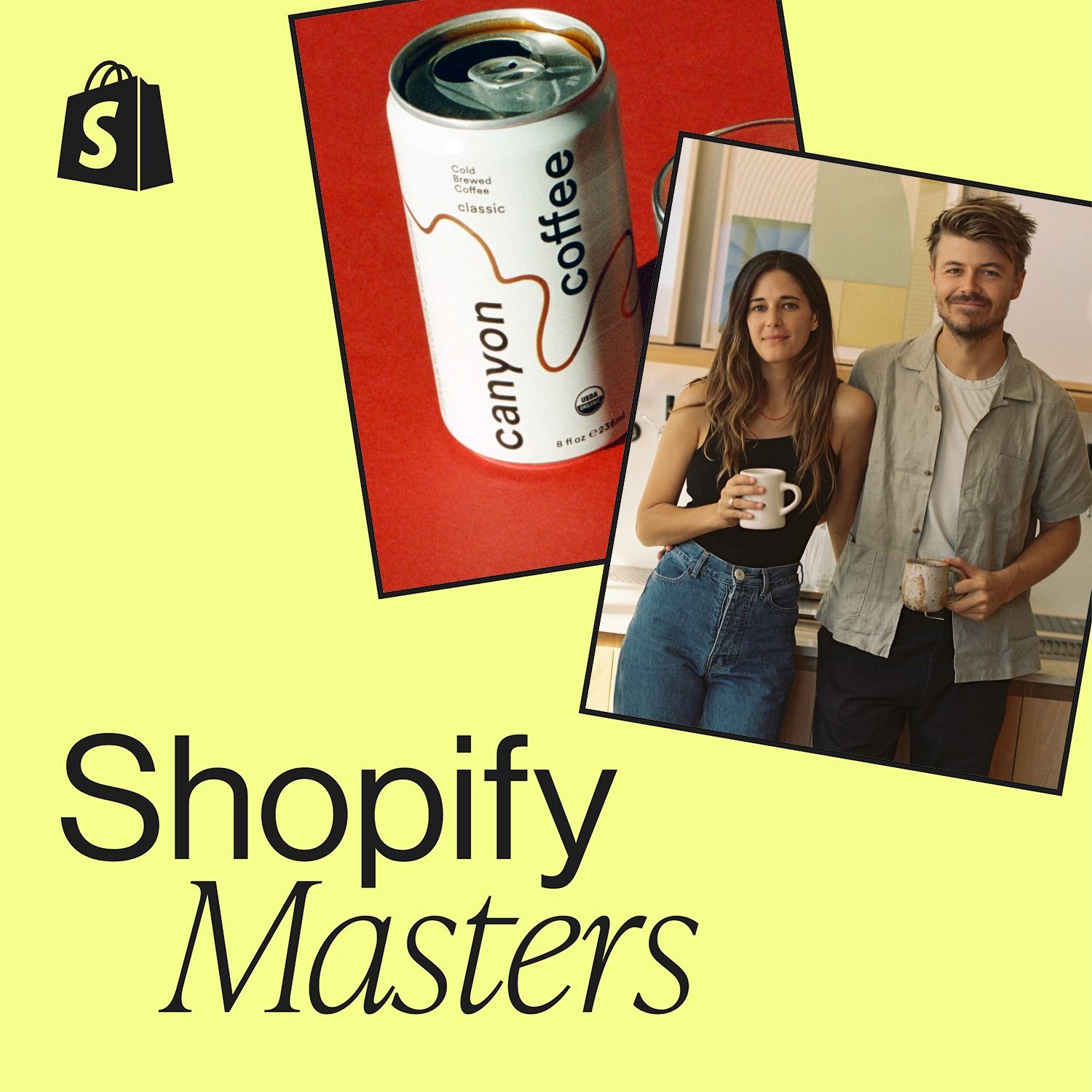
The founders reversed the typical coffee business model by starting with e-commerce, not a cafe, to maintain the flexibility to travel. This decision shaped their brand identity, leading them to create travel guides that became a key tool for building their email list.
Instead of focusing on transactional metrics, Canyon Coffee's core mission is to "add warmth." This value informs all business aspects, from customer service emails and cafe interactions to internal team culture, creating a powerful, human-centric brand identity.
Coterie maintains its premium brand status by systematically rejecting initiatives that don't meet an extremely high bar. If a new product isn't 'demonstratively better' or in direct service to the customer, the company kills the project, protecting its brand and focus.

The founders delayed institutional funding to protect their long-term brand strategy. This freedom allowed them to avoid paid ads, which a VC might have demanded for quick growth, and instead focus on building a more powerful and sustainable word-of-mouth engine first.
Despite making millions, Chip and Joanna never took on outside investors. They knew private equity could accelerate growth and ease operational pain, but they chose to reinvest every dollar earned back into the business. This deliberate decision ensured they maintained complete control over their brand.

Instead of chasing trends or pivoting every few weeks, founders should focus on a singular mission that stems from their unique expertise and conviction. This approach builds durable, meaningful companies rather than simply chasing valuations.

Gymshark's CMO explains their strategy is to be hyper-focused on their core gym audience, even if it alienates others. Quoting an article, he says the world needs more brands "willing to have enemies." This mindset prevents brand dilution and strengthens their identity by not trying to be everything to everyone.

Despite data showing high demand, Hallie Meyer instinctively "presses the brakes" on scaling her ice cream business. She fears that rapid growth could "burst the bubble of obsession" customers have with the product and its intimate experience, consciously prioritizing brand love over immediate expansion.

A brand's long-term health depends on leaders viewing themselves as stewards, not owners. This mindset allows the brand to have its own life, adapt, and evolve—much like a child growing into its own person—ensuring it can survive beyond the founder's direct control.
