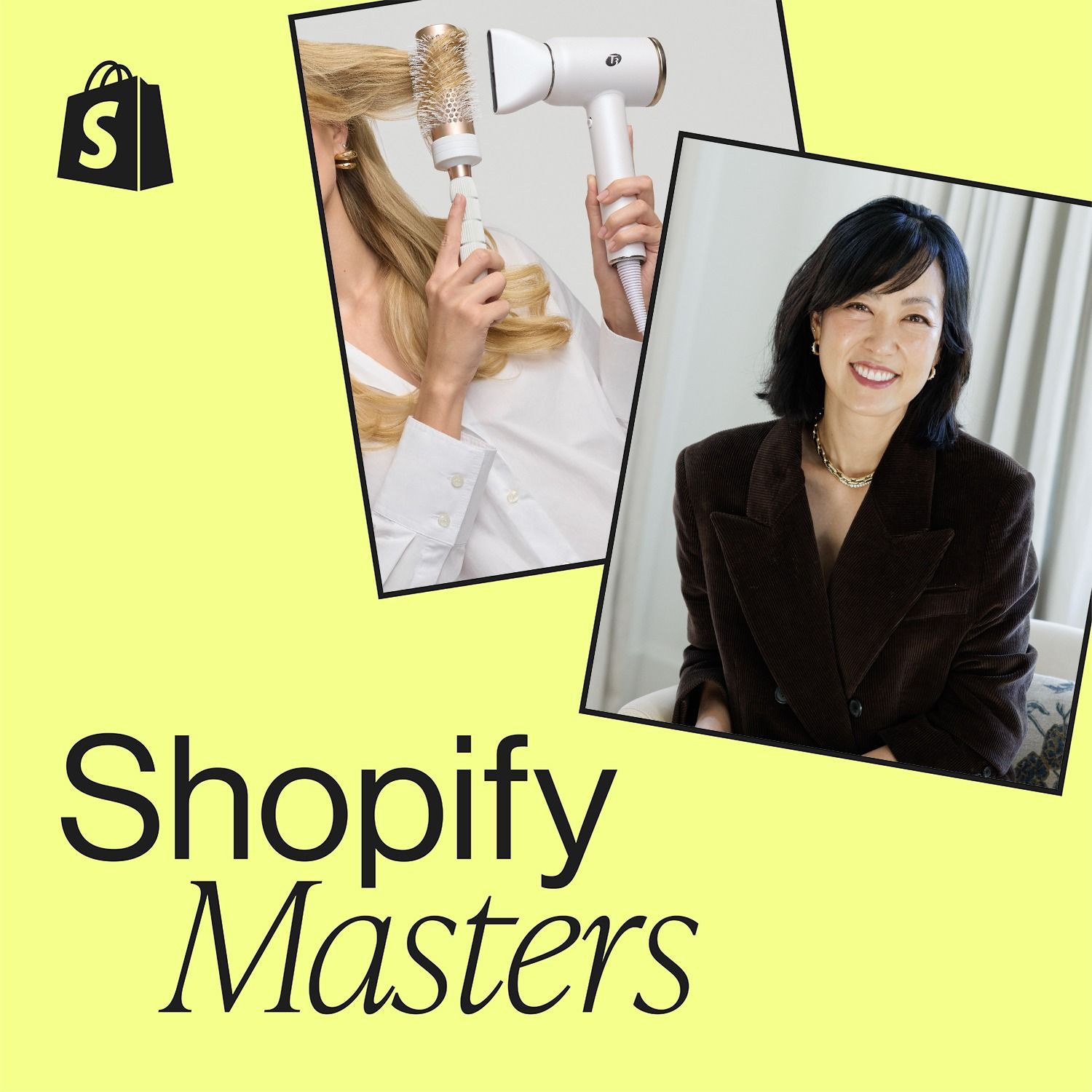
Instead of using traditional appliance PR, T3 hired a beauty-focused publicist to pitch their hair dryer to outlets like Vogue and InStyle. This out-of-the-box strategy legitimized the product as a beauty tool, created significant buzz, and directly led to Sephora discovering and contacting them for a partnership.
When Sephora first approached T3, their request was to create a Sephora-branded hair dryer. Despite being a young, bootstrapped company, T3 declined the white-label opportunity. They insisted on selling under their own brand name, a crucial decision that allowed them to build long-term brand equity instead of becoming a disposable supplier.
T3's founder knew a beautiful product would attract female consumers, comparing it to buying a laptop simply because it was pink. However, she stresses that aesthetic appeal is not enough for long-term success. If the beautifully designed product didn't deliver superior performance and results, the brand wouldn't have survived for 20 years.
T3 redefined the hair tool category by moving its products from the home appliance section to the beauty floor. By insisting on placement next to high-end skincare and cosmetics in retailers like Nordstrom, they changed consumer perception, justified a premium price, and created an entirely new market segment.
T3 successfully launched in Sephora without VC funding by first building a profitable business in the salon channel. They generated $4 million in sales, creating the cash flow necessary to meet Sephora's inventory demands and payment terms. This allowed them to scale into major retail by spending what they had already earned.
When large appliance companies like Dyson entered the premium hair tool market, T3 was initially intimidated. However, their massive marketing budgets raised overall category awareness and normalized higher price points. This repositioned T3 as an 'affordable luxury' and ultimately boosted their business, demonstrating that new competition can grow the pie for everyone.
T3's journey with Sephora shows that retail relationships are dynamic. After a successful launch, they were removed from brick-and-mortar stores for nearly a decade, surviving on online sales. They later returned to shelves by introducing new, innovative products. This illustrates that losing shelf space isn't final and can be regained with fresh offerings.