Get your free personalized podcast brief
We scan new podcasts and send you the top 5 insights daily.
Instead of traditional funding, Jing used Kickstarter to pre-sell her product. This not only raised capital but also proved market demand and built a community of understanding early backers who were patient with initial production delays, a crucial buffer for a new CPG brand.

Related Insights
The old model of raising a large sum of money to build infrastructure is obsolete. Today, founders can and should validate their product and find customers with minimal capital *before* seeking significant investment, reversing the traditional order of operations.
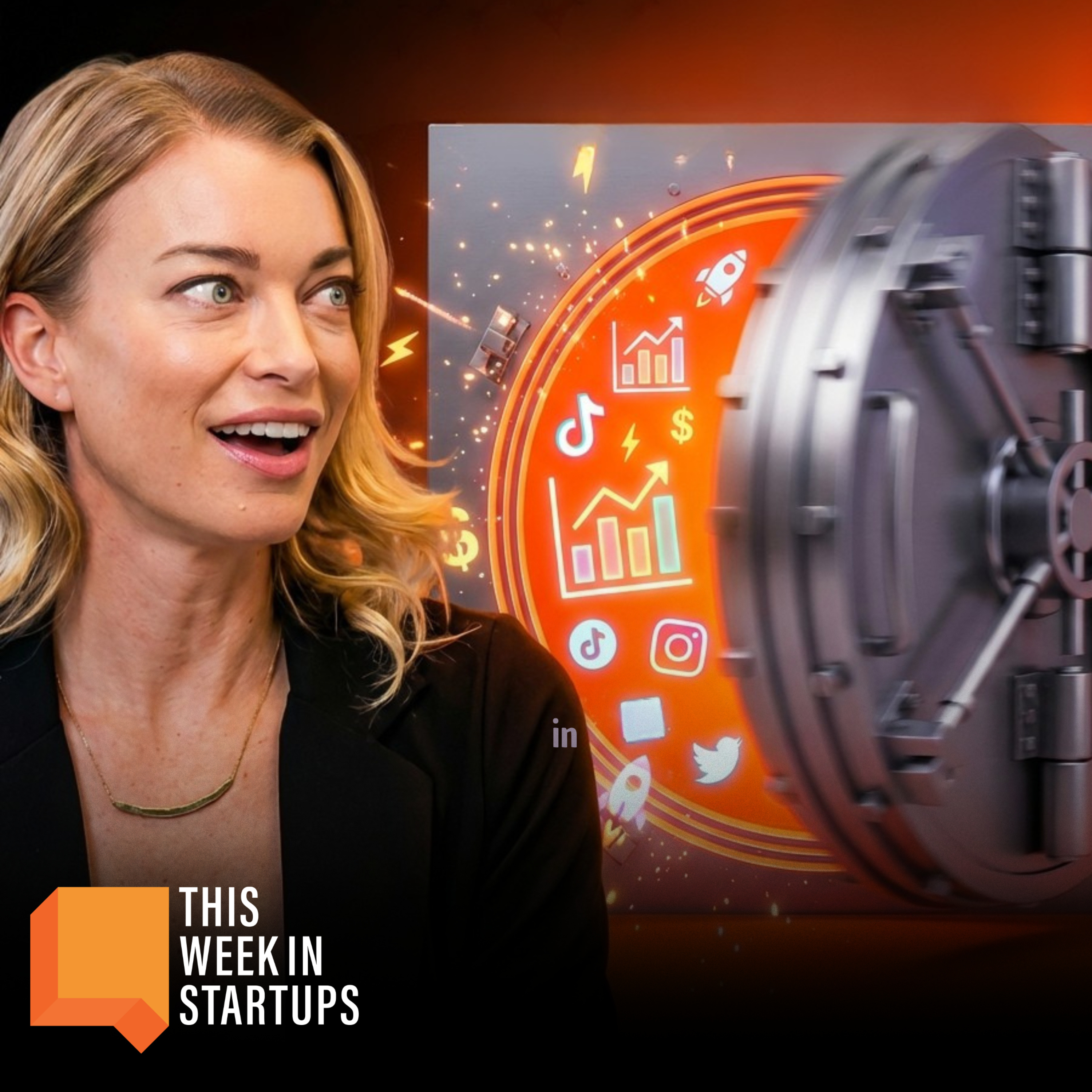
Peak Design's founder argues that Kickstarter is not a place to validate if people want a product. Instead, it should be treated as a powerful sales and marketing channel for products that are well-developed and known to solve an obvious problem. Success hinges on pre-existing product-market fit, not on discovering it.
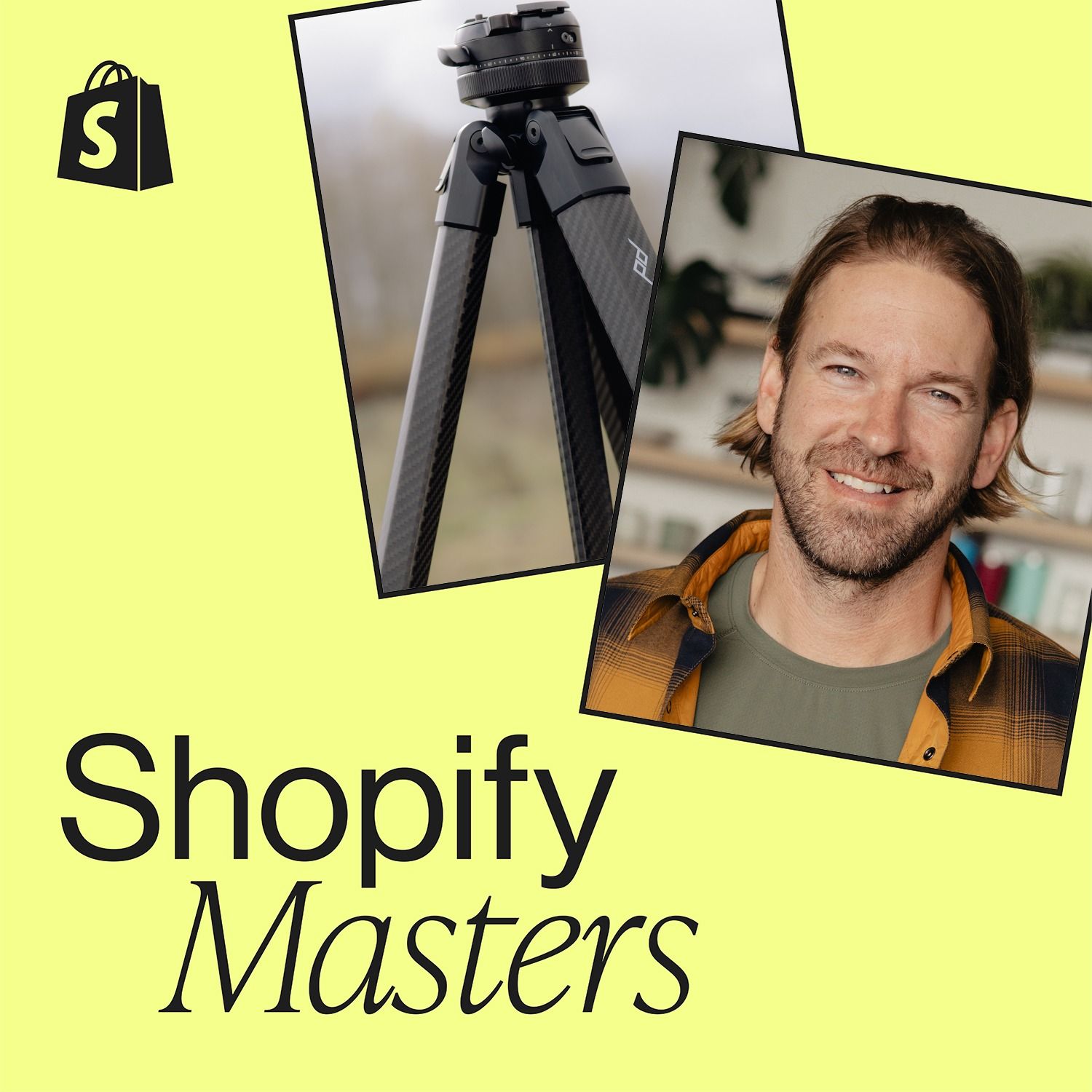
Before investing in production, Feel Goods created a basic landing page and ran ads to sell their conceptual product. They then refunded all orders, using the fake sales data to confirm real-world demand with minimal upfront cost and risk.
Moiz Ali de-risked his $100M CPG company by first identifying that natural deodorant was a top seller on Etsy. He then contacted a maker on the platform to white-label the initial product. This allowed him to validate market demand and test distribution before investing in R&D or manufacturing.

Avoid the classic bootstrap vs. raise dilemma by using customer financing. Pre-sell your product or service to a group of early customers. This strategy not only provides the necessary starting capital without giving up equity but also serves as the ultimate form of market validation.

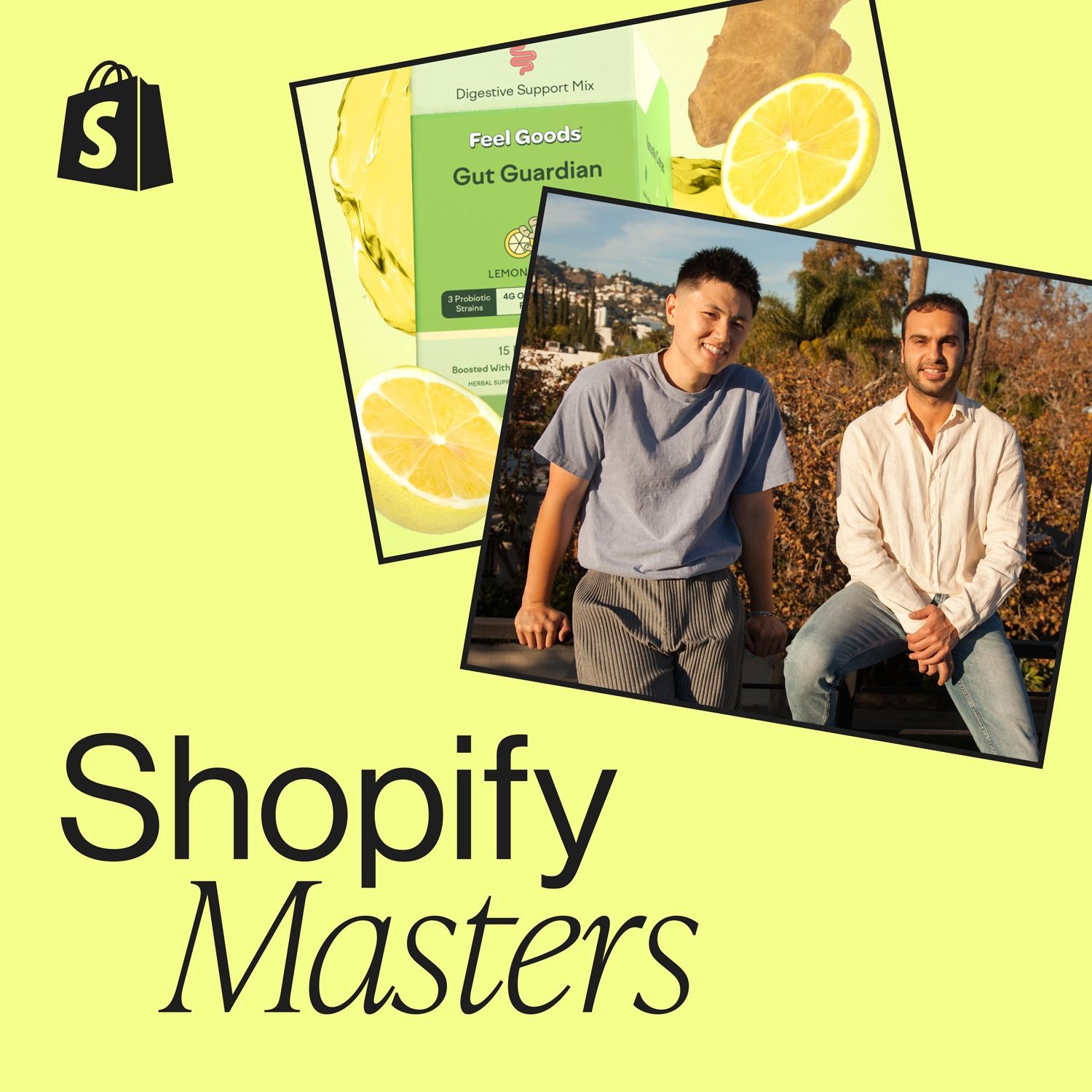
Unbound Merino used its Indiegogo campaign as a definitive test for market demand, not just a funding tool. This framed the effort as a win-win: either a successful business would be born, or the founder would get a box of the custom t-shirts he personally wanted.
For large-scale B2B products, validate demand by signing customers who not only commit to buying but also pre-fund development. This model secures capital, guarantees early adopters, and ensures the product is built with direct, committed customer input from the very beginning.

For physical products, changes between versions are costly and slow. Solgaard launches on Kickstarter to get early adopter feedback on features before the first mass production run. This allows them to effectively release a more refined "version two" as their initial market product.
To de-risk their unconventional idea, Liquid Death created a fake ad and a Facebook page to test market reception. They secured millions of views and 80,000 followers, proving demand and generating traction that was crucial for raising capital, turning a concept into an investable business.
Launching a product demo at a major event months before it's ready is a huge risk. Mitigate this by creating a follow-up campaign, like a crowdfunding pre-order system, that builds excitement and captures early adopters while you finalize the product.
