Get your free personalized podcast brief
We scan new podcasts and send you the top 5 insights daily.
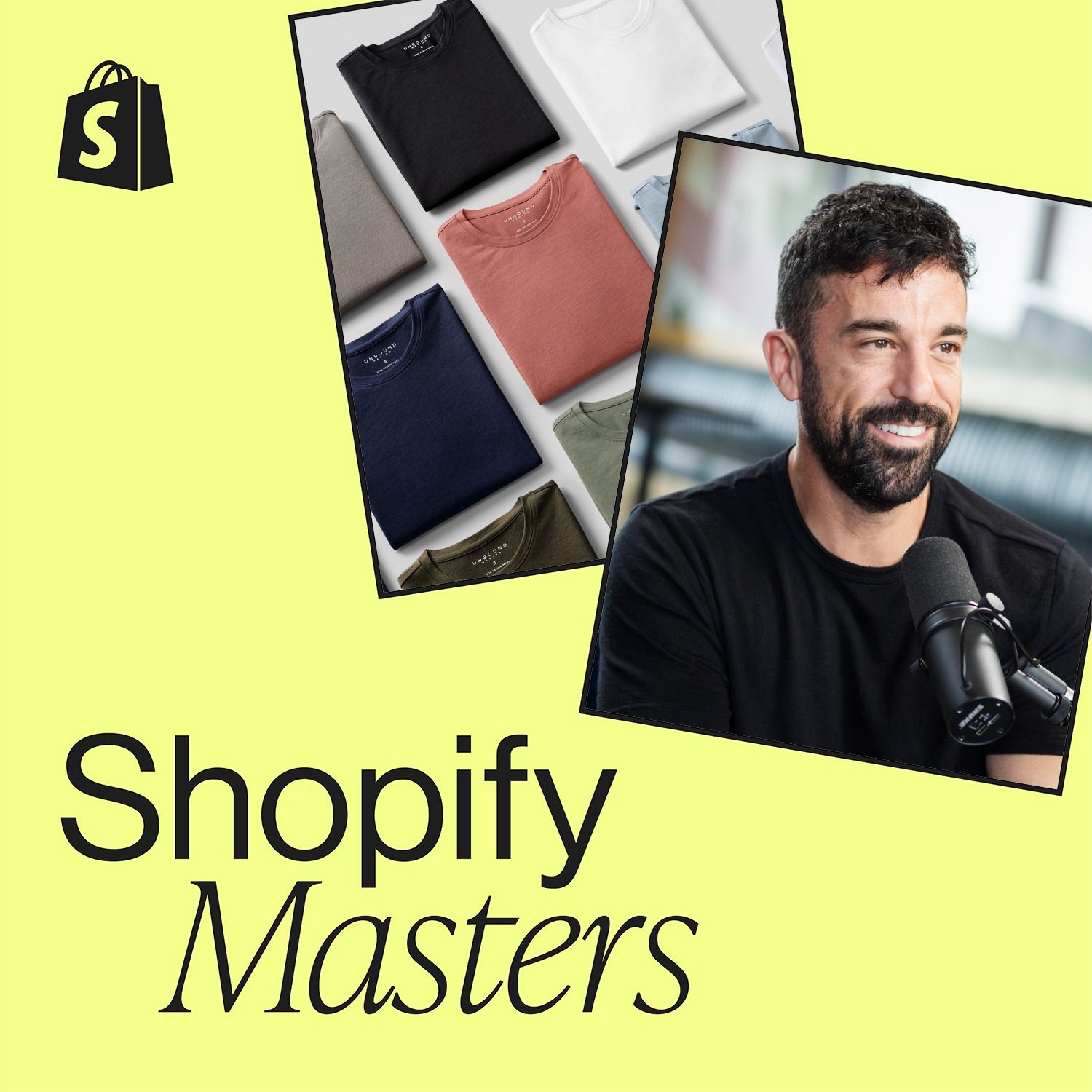
Unbound Merino used its Indiegogo campaign as a definitive test for market demand, not just a funding tool. This framed the effort as a win-win: either a successful business would be born, or the founder would get a box of the custom t-shirts he personally wanted.
Related Insights
At its Series A, ServiceUp had "concept-market fit"—the core idea was compelling enough to attract investors and early customers—but not yet product-market fit. The product didn't fully solve the problem, but the vision was strong enough to secure the capital needed to continue building towards it.

Peak Design's founder argues that Kickstarter is not a place to validate if people want a product. Instead, it should be treated as a powerful sales and marketing channel for products that are well-developed and known to solve an obvious problem. Success hinges on pre-existing product-market fit, not on discovering it.

Avoid the classic bootstrap vs. raise dilemma by using customer financing. Pre-sell your product or service to a group of early customers. This strategy not only provides the necessary starting capital without giving up equity but also serves as the ultimate form of market validation.

The idea for Unbound Merino came from the founder's own frustrating search for stylish, high-performance travel clothing. When he couldn't find what he wanted, he created it, correctly betting that many others shared his specific problem.
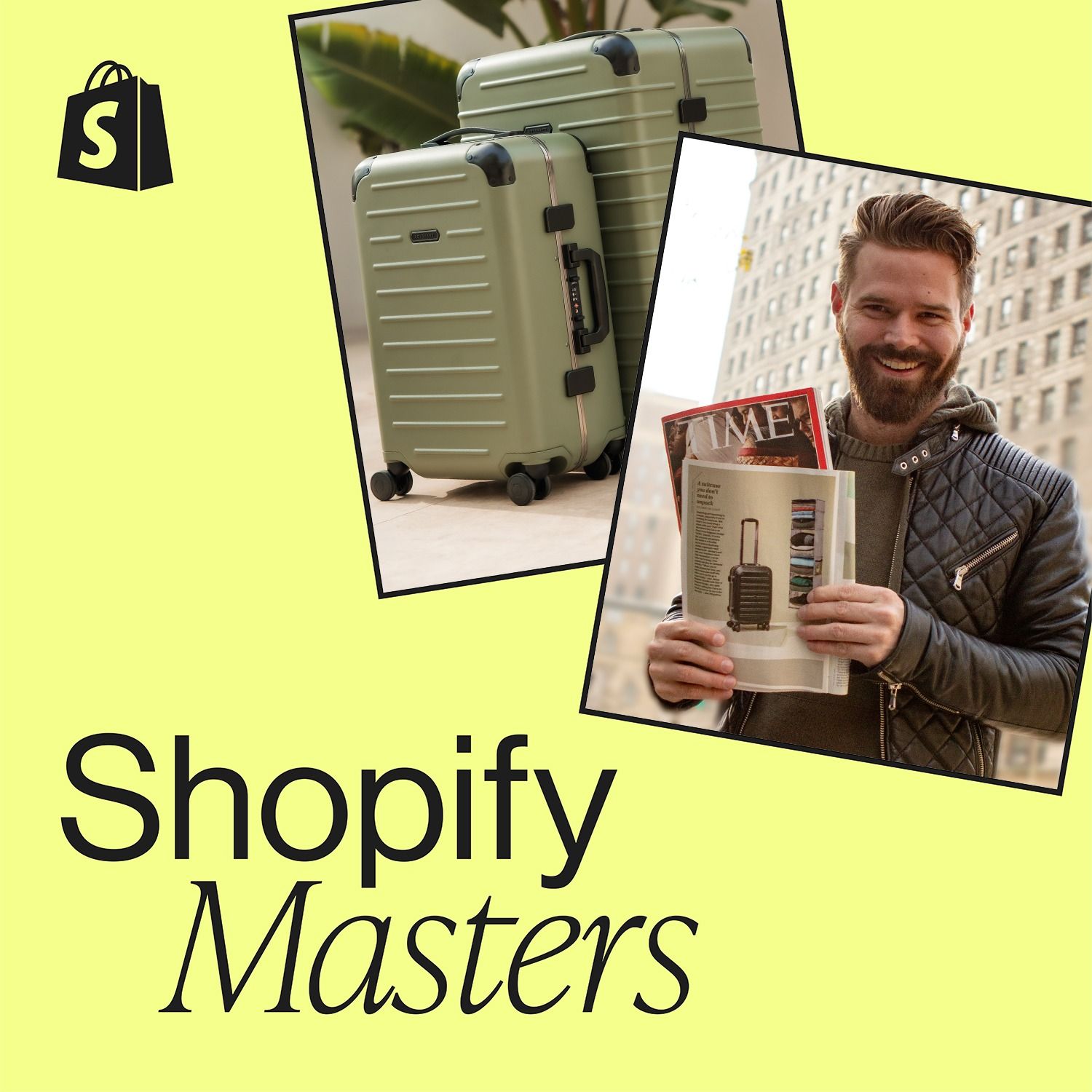
For physical products, changes between versions are costly and slow. Solgaard launches on Kickstarter to get early adopter feedback on features before the first mass production run. This allows them to effectively release a more refined "version two" as their initial market product.
Instead of searching for a market to serve, founders should solve a problem they personally experience. This "bottom-up" approach guarantees product-market fit for at least one person—the founder—providing a solid foundation to build upon and avoiding the common failure of abstract, top-down market analysis.
To de-risk their unconventional idea, Liquid Death created a fake ad and a Facebook page to test market reception. They secured millions of views and 80,000 followers, proving demand and generating traction that was crucial for raising capital, turning a concept into an investable business.

Crisp.ai's founder advocates for selling a product before it's built. His team secured over $100,000 from 30 customers using only a Figma sketch. This approach provides the strongest form of market validation, proving customer demand and significantly strengthening a startup's position when fundraising with VCs.
Validate market demand by securing payment from customers before investing significant resources in building anything. This applies to software, hardware, and services, completely eliminating the risk of creating something nobody wants to buy.