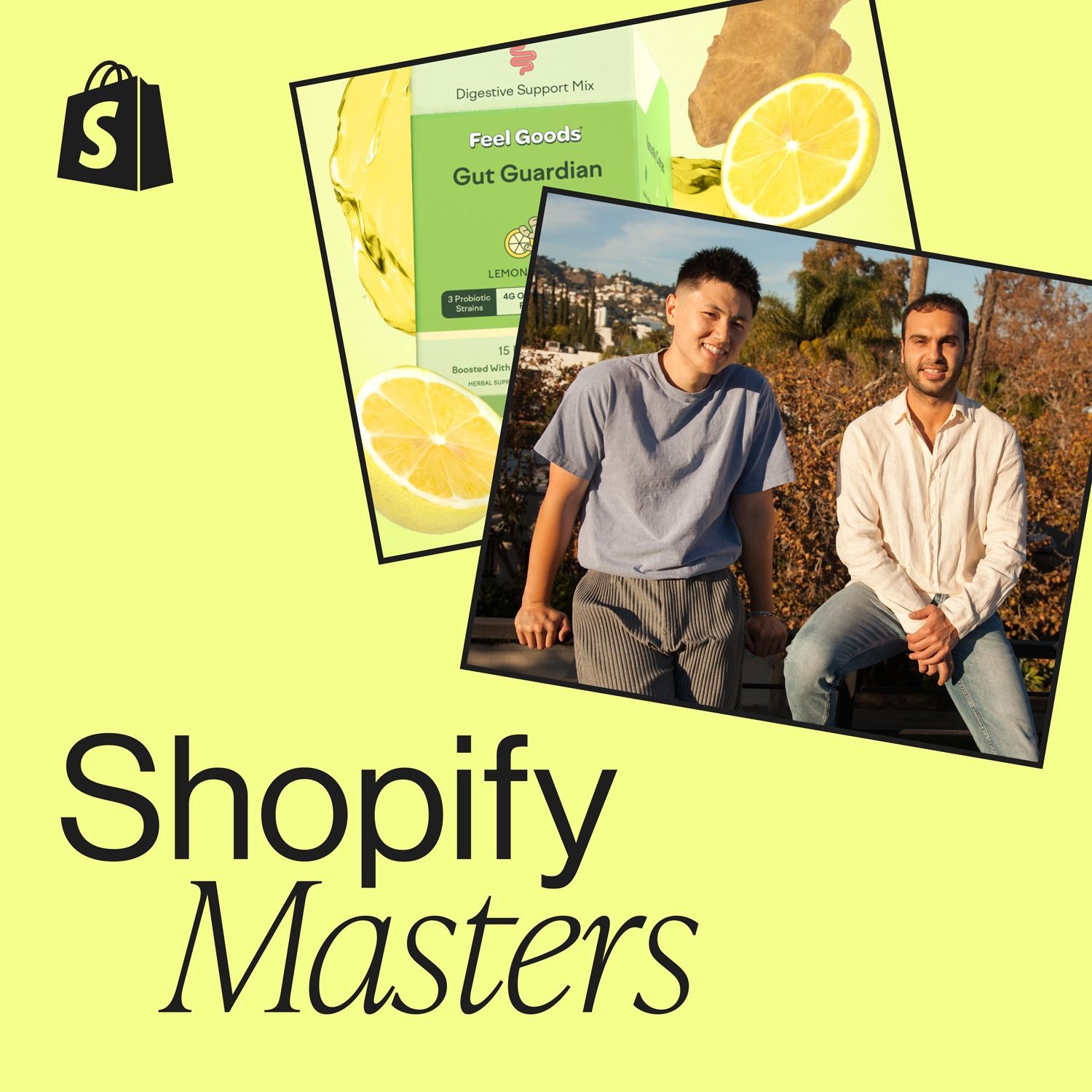
Before investing in production, Feel Goods created a basic landing page and ran ads to sell their conceptual product. They then refunded all orders, using the fake sales data to confirm real-world demand with minimal upfront cost and risk.
Instead of paying to test ad creative on Meta, Feel Goods posts short-form videos on TikTok. Videos that gain organic traction are then repurposed and promoted as paid ads on Meta, saving significant testing costs and ensuring proven concepts are scaled.
When a labeling error forced Feel Goods to discard a huge product batch, they created a TikTok series about the mistake. This radical transparency generated overwhelmingly positive feedback and loyalty, proving that sharing failures can be a powerful marketing tool.
Despite opportunities, Feel Goods has passed on retail launches. Their strategy is to first build a "massive community" and brand recognition through direct-to-consumer channels, ensuring pre-existing demand when they eventually enter stores for a higher chance of success.
Feel Goods' founders argue against outsourcing content creation early. By personally enduring dozens of failed video attempts, they built an instinct for what works. They believe this "content muscle" is a core, ownable advantage that cannot be replicated by an outside agency.
When a marketing tactic or product shows success, the cofounder argues that simply "doubling down" is too conservative. He advocates for a 10x approach—dramatically increasing investment in winning strategies, like creating 100 more viral-style videos or quadrupling inventory after a sell-out.
Feel Goods learned that perfecting a formula in a kitchen is misleading. Moving to a manufacturer introduces new suppliers and larger ingredient quantities, which drastically alters the final product's taste and consistency. This makes initial small-batch R&D far less valuable for scaling.