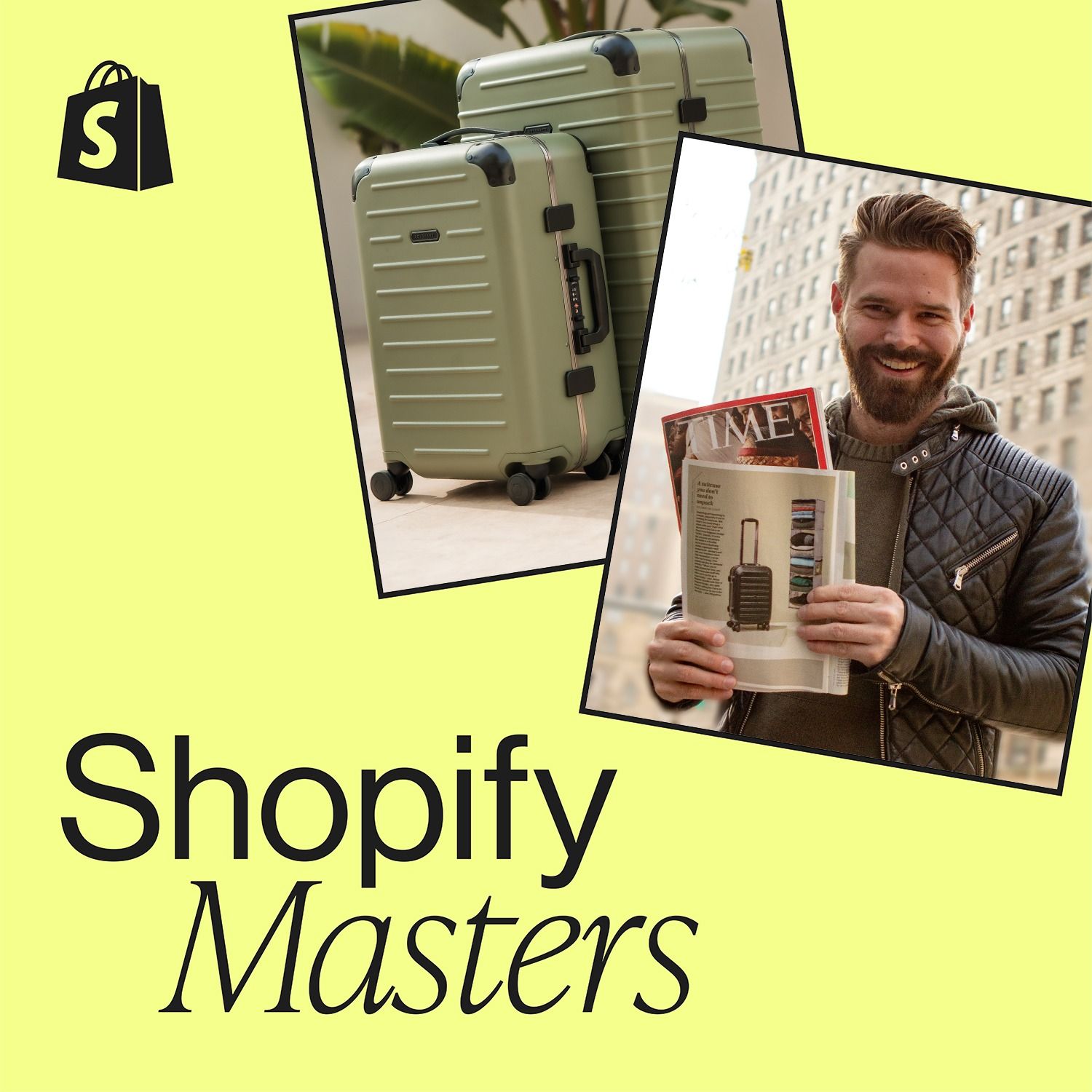
After a costly mistake left him with thousands of extra units, Solgaard's founder learned a key inventory lesson. He advises founders to avoid overly optimistic forecasting and go lean on inventory. Being slightly back-ordered is a better financial position than being overstocked with capital tied up in unsold goods.
Founder Adrian Solgaard believes extreme constraints, like having only €637 left, force entrepreneurs to cut through distractions and hyper-focus. This pressure cooker environment, where survival is the only goal, is where the most magical, focused work happens.
Citing Unity's CEO, Adrian Solgaard highlights the "messy middle" of scaling (from 12 to 100 employees). This awkward phase lacks the intimacy of a small startup and the structure of a large corporation, requiring a difficult leadership transition that founders often struggle with.
As a business grows, problems don't disappear; they change in scale. Founder Adrian Solgaard uses a boat analogy: a bigger company is stable in minor issues but feels the impact of major crises more intensely. The waves are always there, they just get bigger.
For physical products, changes between versions are costly and slow. Solgaard launches on Kickstarter to get early adopter feedback on features before the first mass production run. This allows them to effectively release a more refined "version two" as their initial market product.
After his first business didn't work out, Adrian Solgaard used the Japanese concept of 'ikigai' to systematically find his next venture. By mapping what he's good at, what the world needs, what he can be paid for, and his passions, he landed on a sustainable travel brand.
Solgaard's founder Adrian Solgaard prototypes new physical products using simple materials like cardboard and duct tape. This "make it work, then make it good" approach, rooted in Scandinavian design, prioritizes function over form in the early stages, making innovation less intimidating.