Get your free personalized podcast brief
We scan new podcasts and send you the top 5 insights daily.
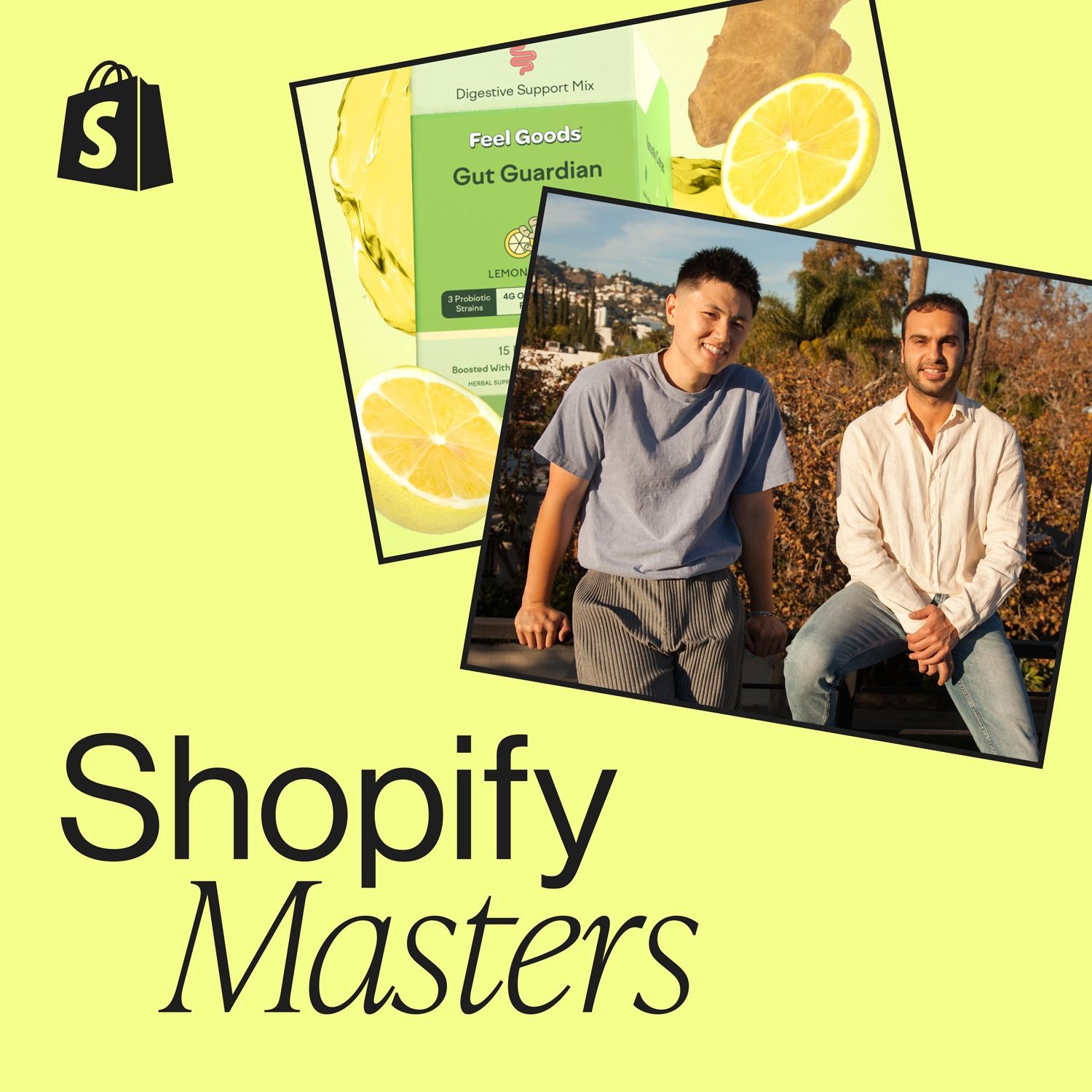
Before investing in production, Feel Goods created a basic landing page and ran ads to sell their conceptual product. They then refunded all orders, using the fake sales data to confirm real-world demand with minimal upfront cost and risk.
Related Insights
Before manufacturing a large batch of a product, validate demand by running inexpensive Meta ads to a small audience. This 'fire a bullet before you fire a cannonball' approach lets you gauge real customer interest by tracking clicks, proving the concept works before making a large financial commitment.

To test a product idea without inventory, run ads directing users to a landing page where they can attempt to purchase. If they add the item to their cart, you then inform them it's 'sold out.' This validates strong purchase intent, which is a far more reliable signal than just clicks.
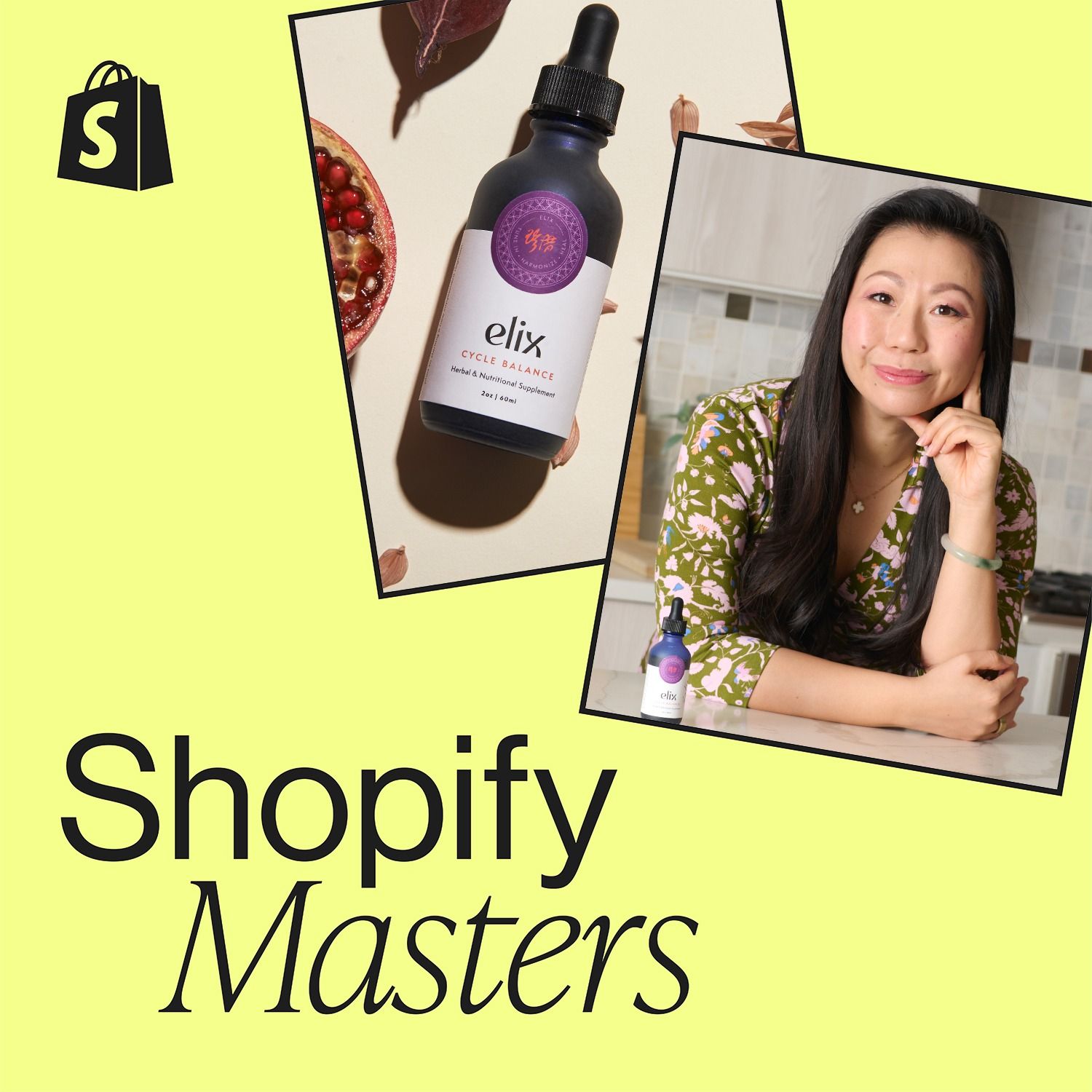
Elix founder Lulu Ge launched a beta test called "#periodpainfree" with basic packaging. This allowed her to gauge real-world demand from strangers online before committing resources to a full brand launch, proving the concept's viability cheaply and effectively.
Validate business ideas by creating a fake prototype or wireframe and selling it to customers first. This confirms demand and secures revenue before you invest time and money into development, which the speaker identifies as the hardest part of validation.

The hardest part of any business is finding customers, not fulfillment. De-risk your venture by focusing all initial energy on validating demand. Use tactics like pre-selling or creating 'fake' marketplace listings before you buy a single piece of equipment.

Before investing in a full SaaS platform, manually create the end result (e.g., reports in Excel/PowerPoint) and attempt to sell it directly. This low-cost, concierge-style experiment quickly validates if customers have a real willingness to pay.

To de-risk their unconventional idea, Liquid Death created a fake ad and a Facebook page to test market reception. They secured millions of views and 80,000 followers, proving demand and generating traction that was crucial for raising capital, turning a concept into an investable business.

Instead of waiting for a working product, the founders invested in a conference booth with just screenshots. This early, public validation test, though risky, attracted two crucial prospects who became their first customers. This demonstrated market demand before the product was fully built, a move many founders would avoid.

Crisp.ai's founder advocates for selling a product before it's built. His team secured over $100,000 from 30 customers using only a Figma sketch. This approach provides the strongest form of market validation, proving customer demand and significantly strengthening a startup's position when fundraising with VCs.
Instead of perfecting a product, generate a basic "bare bones" version using AI, place it on a simple landing page, and secure initial sales. This validates demand with minimal effort. Use the revenue and early feedback to then invest in creating a more robust, higher-quality version.
