Get your free personalized podcast brief
We scan new podcasts and send you the top 5 insights daily.
Moiz Ali de-risked his $100M CPG company by first identifying that natural deodorant was a top seller on Etsy. He then contacted a maker on the platform to white-label the initial product. This allowed him to validate market demand and test distribution before investing in R&D or manufacturing.

Related Insights
Before investing in production, Feel Goods created a basic landing page and ran ads to sell their conceptual product. They then refunded all orders, using the fake sales data to confirm real-world demand with minimal upfront cost and risk.
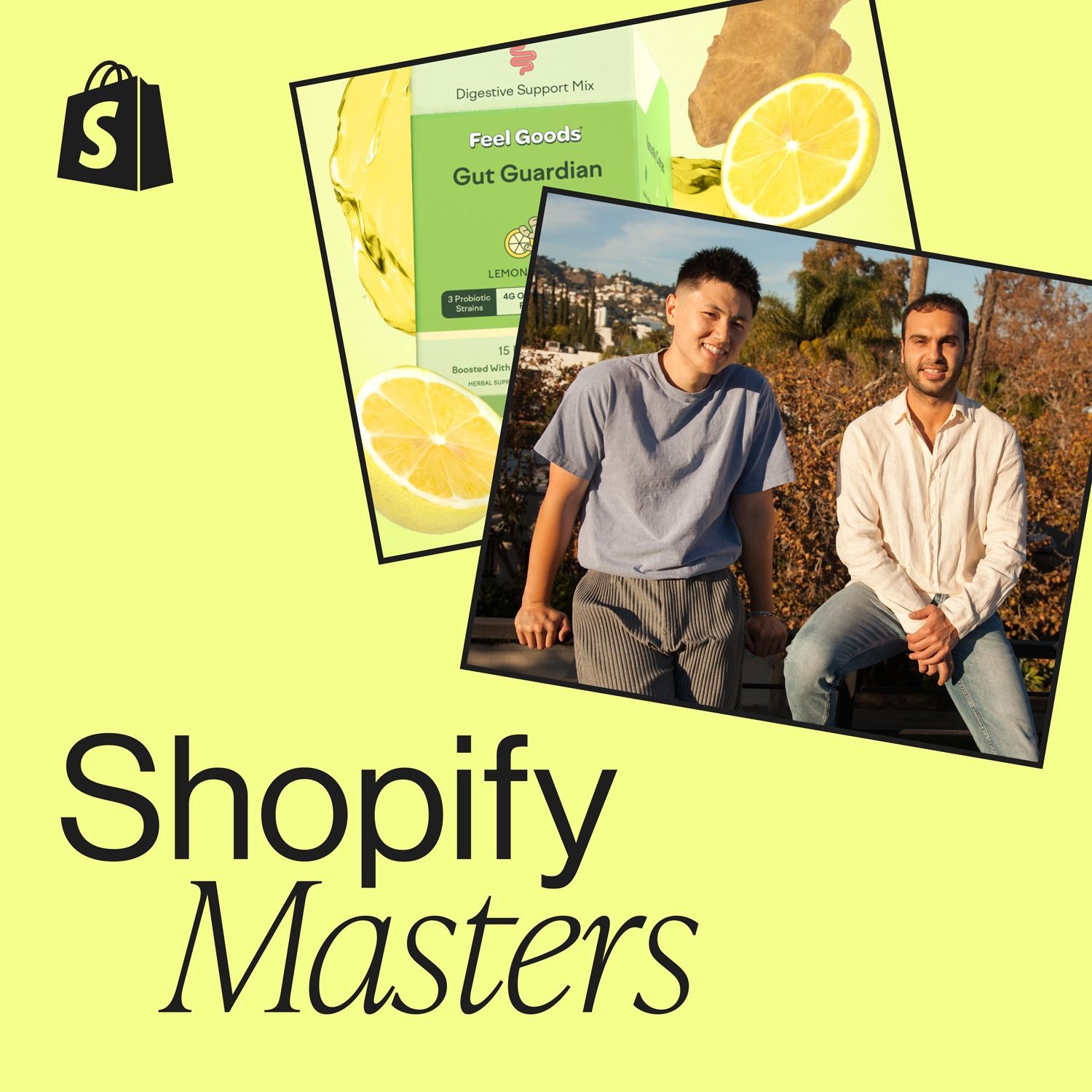
Platforms like Suppleful (supplements) allow you to test demand for a physical product under your own brand without investing in a large minimum order quantity (MOQ). This dropshipping approach validates the market and marketing angles first, significantly de-risking the eventual move to full-scale production.

Instead of relying on focus groups, Ari Bloom validates new brand concepts by pitching them directly to his network of retail partners. If multiple buyers express genuine interest in carrying the product, it's a strong positive signal. If they're lukewarm, he listens and often kills the idea.

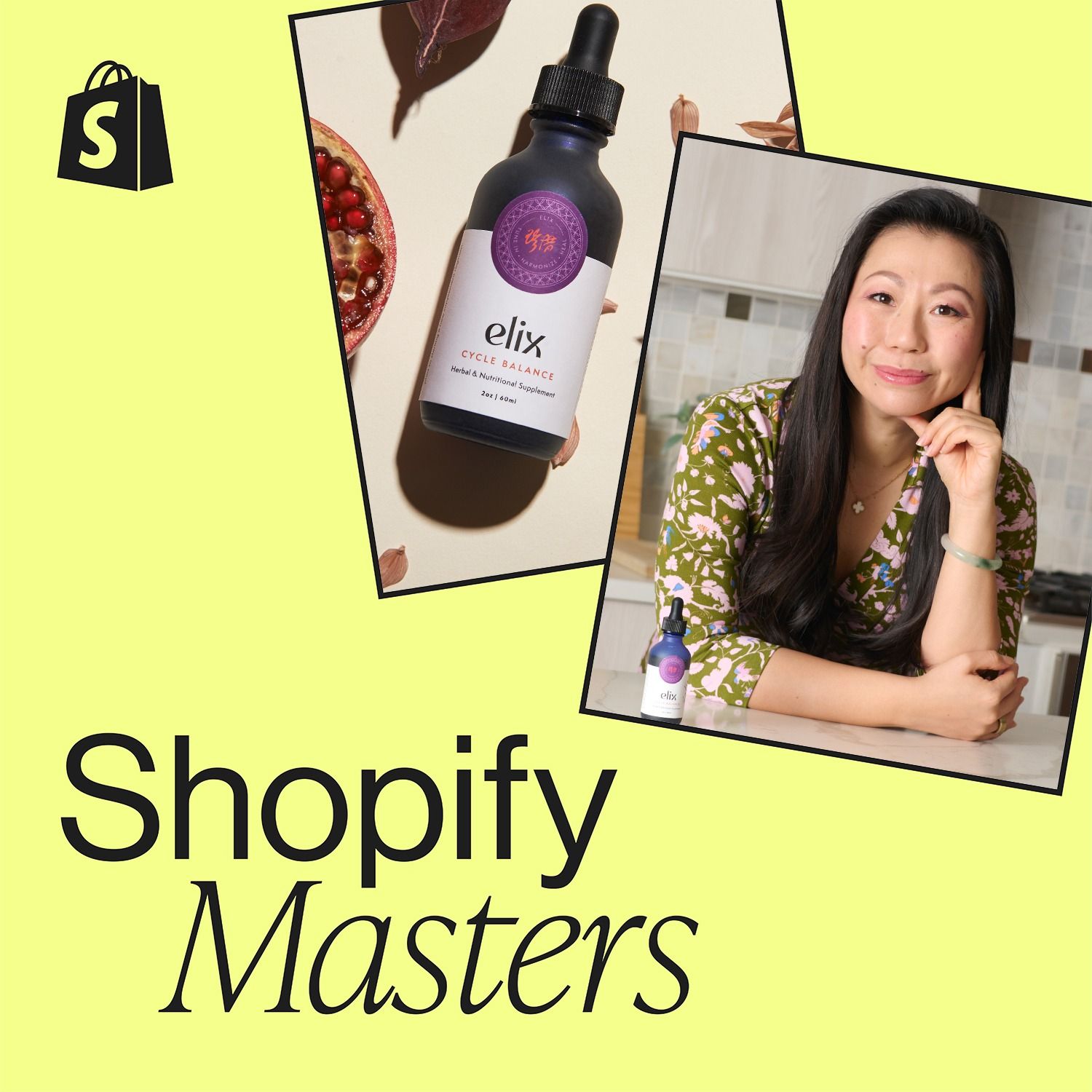
Elix founder Lulu Ge launched a beta test called "#periodpainfree" with basic packaging. This allowed her to gauge real-world demand from strangers online before committing resources to a full brand launch, proving the concept's viability cheaply and effectively.
Before quitting his Wall Street job, the founder created samples and sold them to stores in his spare time. He only committed full-time after seeing strong repeat orders for the next season, proving market demand with minimal personal risk.

Instead of guessing customer demand, D2C brands can directly survey website visitors and existing customers. Asking simple questions like "Are you interested in briefs?" provides quantitative data to validate demand. A strong positive response significantly de-risks the investment in a new SKU.

The hardest part of any business is finding customers, not fulfillment. De-risk your venture by focusing all initial energy on validating demand. Use tactics like pre-selling or creating 'fake' marketplace listings before you buy a single piece of equipment.
Before launching, assess a product's viability by the sheer number of potential distribution points. Manufacturing and logistics are solvable problems if the market access is vast. This reverses the typical product-first approach by prioritizing market penetration from day one.

Dropshipping isn't the end goal. Use it to validate product-market fit with low capital risk before investing heavily in inventory and building a sustainable brand. This reframes the business model from a quick cash grab to a strategic first step for e-commerce entrepreneurs.
Validate market demand by securing payment from customers before investing significant resources in building anything. This applies to software, hardware, and services, completely eliminating the risk of creating something nobody wants to buy.
