Get your free personalized podcast brief
We scan new podcasts and send you the top 5 insights daily.
Launching a product demo at a major event months before it's ready is a huge risk. Mitigate this by creating a follow-up campaign, like a crowdfunding pre-order system, that builds excitement and captures early adopters while you finalize the product.

Related Insights
Ramli John launched his paid beta program after writing only two of twenty chapters. This allowed him to gather market feedback exceptionally early, co-create the product with his most dedicated users, and pivot based on their input, significantly de-risking the final launch.

Numi's first crowdfunded product didn't have the technical sweat-proof fabric they later developed. By the time they shipped, they knew it wasn't the best possible version. However, launching it allowed them to enter the market, gather feedback, and generate revenue to fund the next iteration.
Instead of viewing pre-orders as a customer inconvenience, a founder was advised to reframe them as a community-building tool. By being transparent and offering a small discount, a brand can create loyal early supporters who feel invested in the company's journey.

Unbound Merino used its Indiegogo campaign as a definitive test for market demand, not just a funding tool. This framed the effort as a win-win: either a successful business would be born, or the founder would get a box of the custom t-shirts he personally wanted.

For large-scale B2B products, validate demand by signing customers who not only commit to buying but also pre-fund development. This model secures capital, guarantees early adopters, and ensures the product is built with direct, committed customer input from the very beginning.

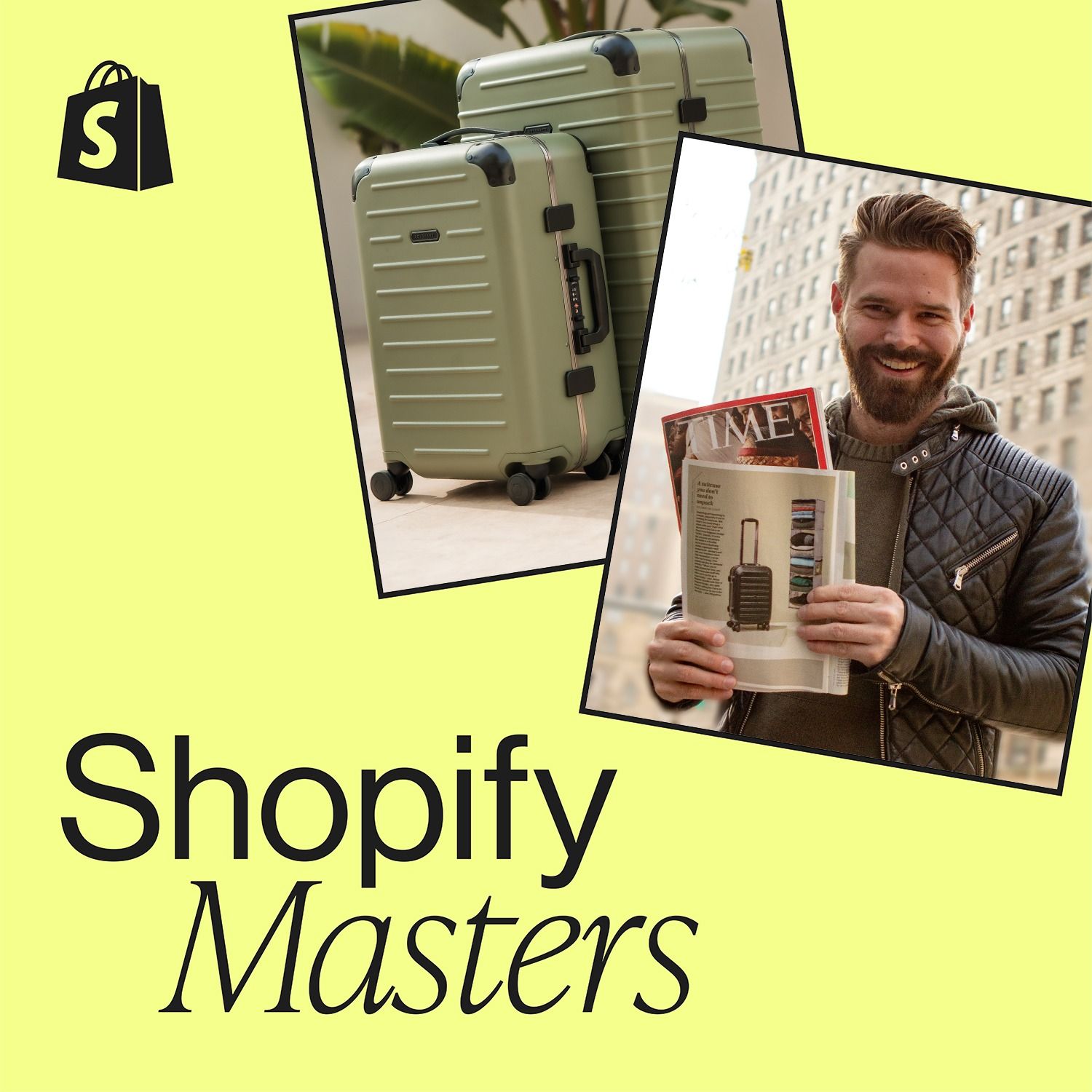
For physical products, changes between versions are costly and slow. Solgaard launches on Kickstarter to get early adopter feedback on features before the first mass production run. This allows them to effectively release a more refined "version two" as their initial market product.
Don't build a perfect, feature-complete product for the mass market from day one. It's too expensive and risky. Instead, deliver a beta to innovator customers who are willing to go on the journey with you. Their feedback provides crucial signals for a more strategic, measured rollout.

Instead of waiting for a working product, the founders invested in a conference booth with just screenshots. This early, public validation test, though risky, attracted two crucial prospects who became their first customers. This demonstrated market demand before the product was fully built, a move many founders would avoid.

Validate market demand by securing payment from customers before investing significant resources in building anything. This applies to software, hardware, and services, completely eliminating the risk of creating something nobody wants to buy.

To manage the risk of a large-scale launch, identify and release smaller, self-contained features to users months in advance. American Express used this to test benefit enrollment mechanics before their main Platinum card launch, reducing uncertainty and gathering real-world data.