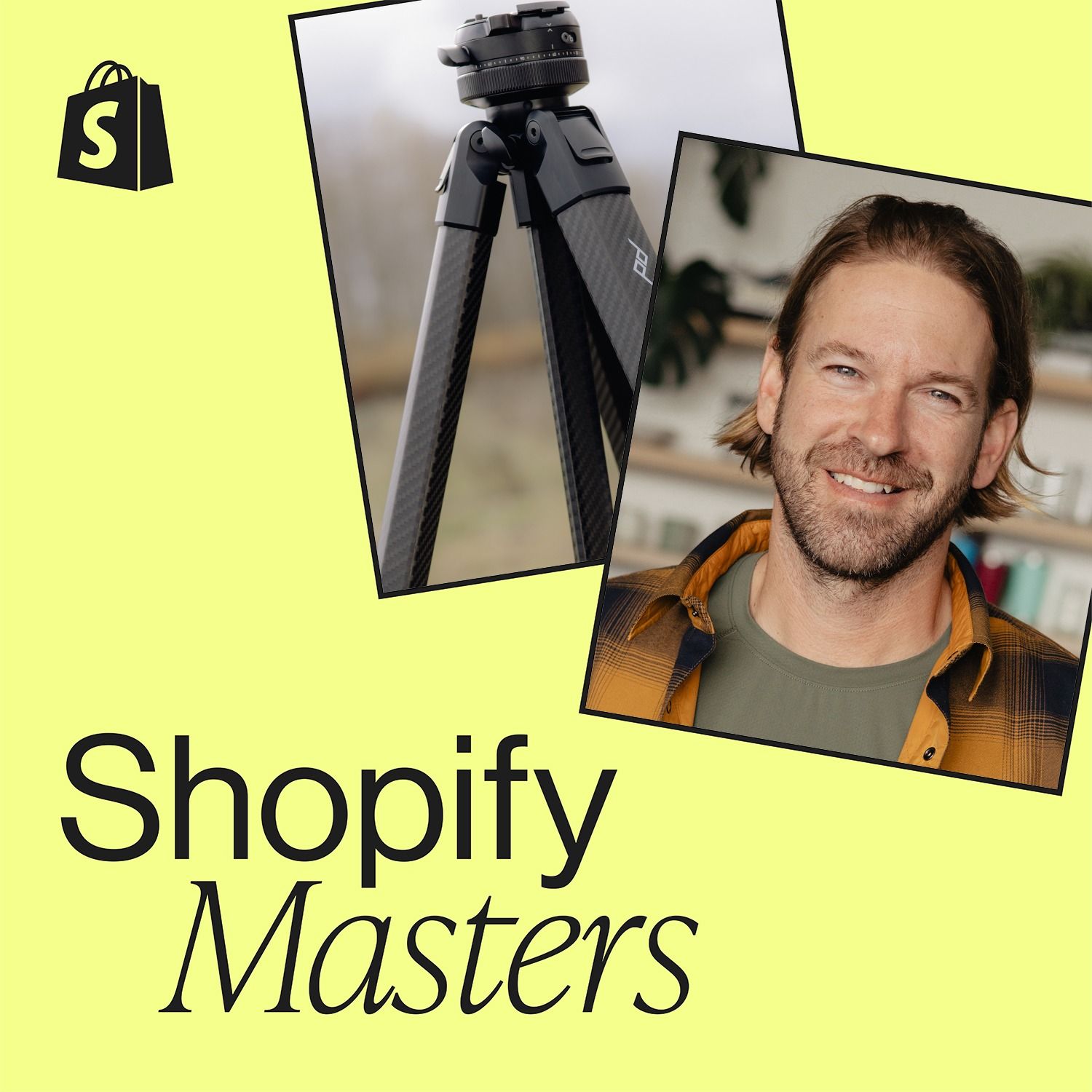
Founder Peter Daring deliberately avoids outside investors to protect Peak Design's core mission: for employees to live "happy and meaningful lives." This employee-forward culture is prioritized over the growth-at-all-costs pressure that comes with external capital, shaping every business decision.
For sole owner Peter Daring, the purpose of profit isn't endless expansion but creating a buffer for stability and peace of mind. After meeting his personal financial needs, he prioritizes running a sustainable business where he and his team can feel secure, rather than chasing maximum returns for external stakeholders.
To foster customer lifetime value despite offering a lifetime warranty, Peak Design focuses on horizontal product line extension. Instead of encouraging replacements of existing gear, they introduce new products that solve different problems for their core customer, successfully getting their average customer to own over seven distinct items.
Peak Design's founder argues that Kickstarter is not a place to validate if people want a product. Instead, it should be treated as a powerful sales and marketing channel for products that are well-developed and known to solve an obvious problem. Success hinges on pre-existing product-market fit, not on discovering it.
Peak Design's "omni-channel sandwich" strategy launches products to a small group of "get it first" Kickstarter backers, then sells them in retail stores at full price, and finally fulfills the bulk of "wait and save" Kickstarter orders. This pulls revenue forward and captures seasonal demand, despite risking backlash from some backers.
Contrary to common belief for online-native brands, Peak Design's own retail stores have the highest contribution margin. This is because shipping products in bulk freight to stores is cheaper than covering the high last-mile delivery costs for individual e-commerce orders, which often qualify for free shipping.
Peak Design treats Reddit as a key community hub for two-way conversation, not a broadcast channel. Instead of relying on a single brand moderator, all employees—from engineers to the head of marketing—are encouraged to jump into discussions. This fosters a more authentic and trusted relationship with their most engaged customers.