Get your free personalized podcast brief
We scan new podcasts and send you the top 5 insights daily.
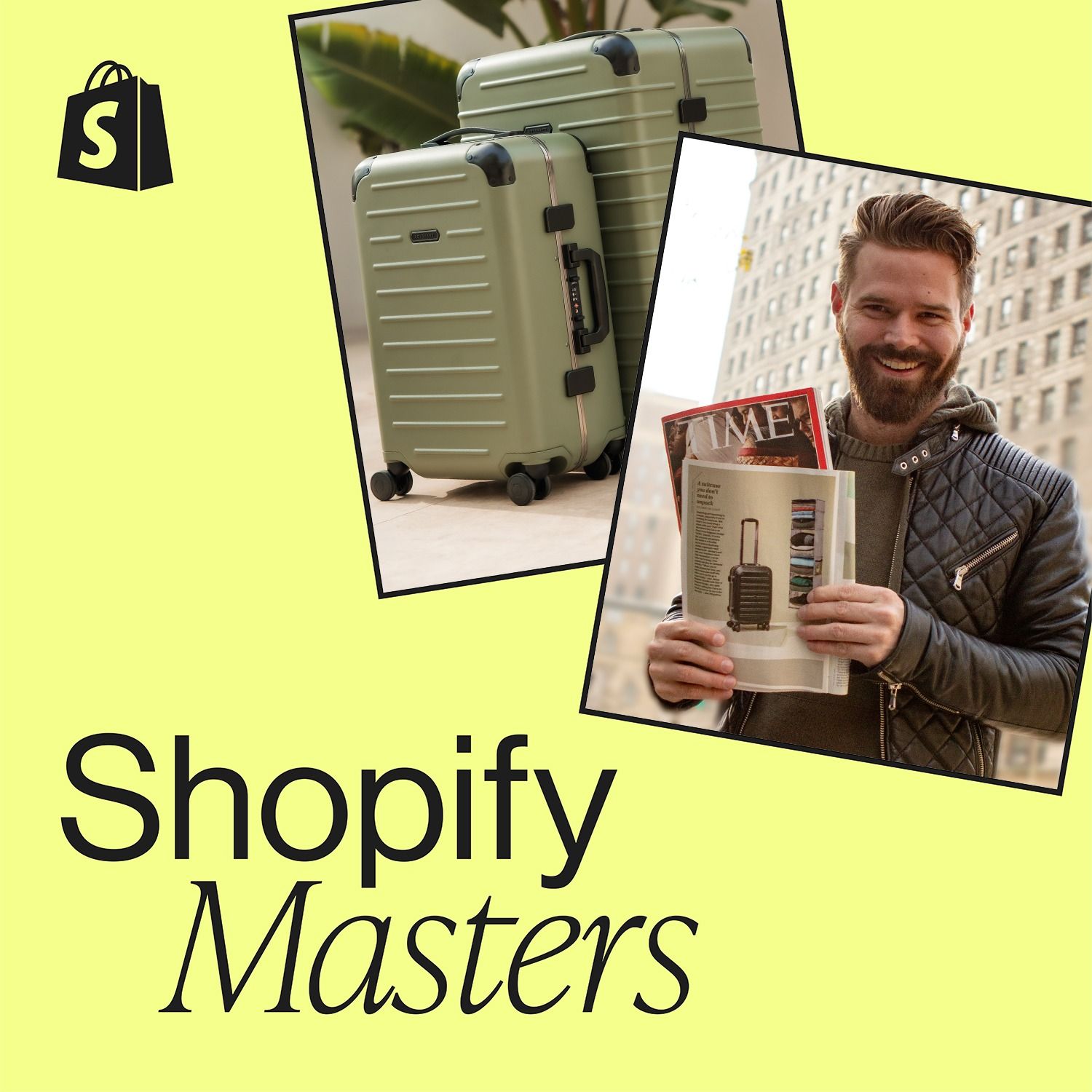
For physical products, changes between versions are costly and slow. Solgaard launches on Kickstarter to get early adopter feedback on features before the first mass production run. This allows them to effectively release a more refined "version two" as their initial market product.
Related Insights
Ramli John launched his paid beta program after writing only two of twenty chapters. This allowed him to gather market feedback exceptionally early, co-create the product with his most dedicated users, and pivot based on their input, significantly de-risking the final launch.

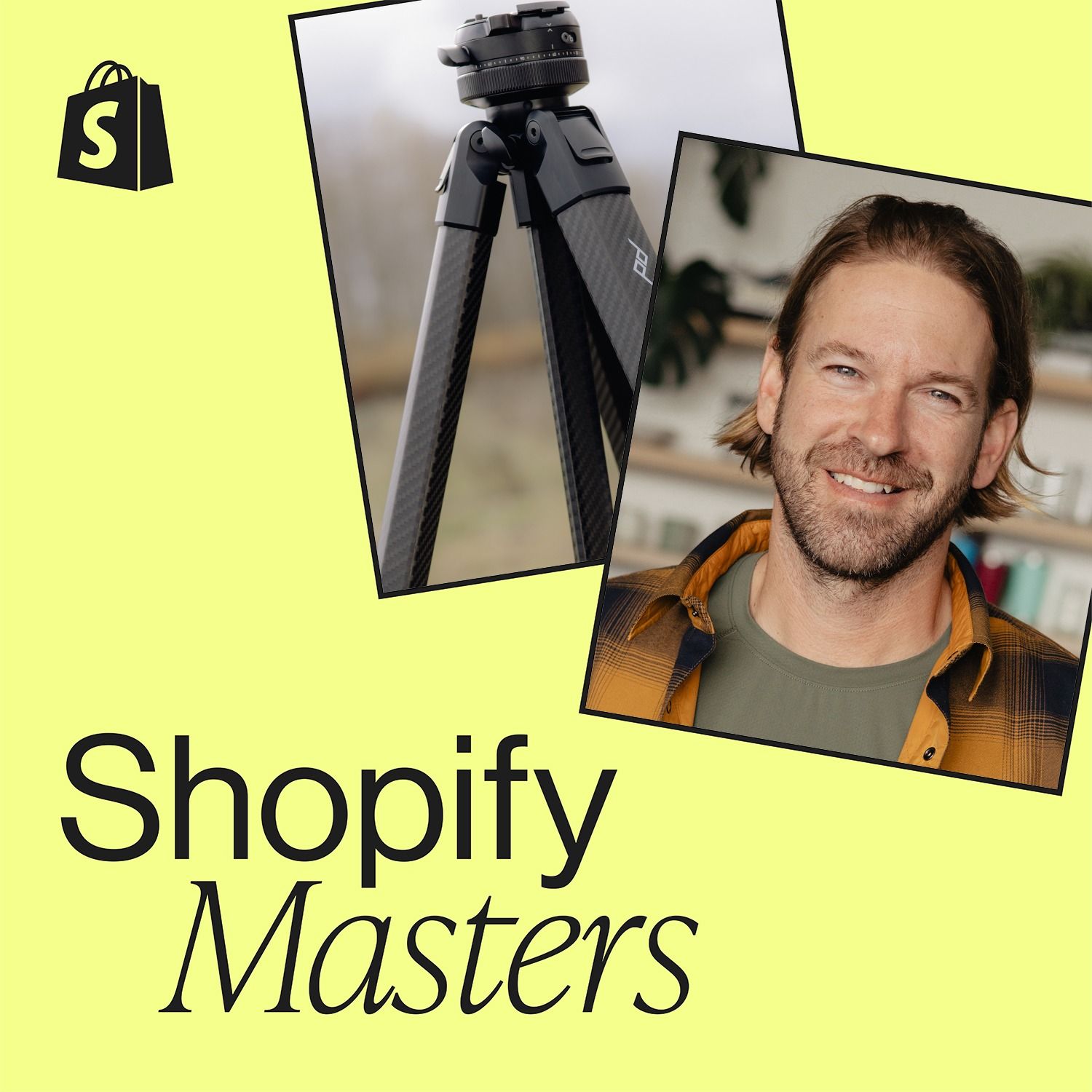
Peak Design's founder argues that Kickstarter is not a place to validate if people want a product. Instead, it should be treated as a powerful sales and marketing channel for products that are well-developed and known to solve an obvious problem. Success hinges on pre-existing product-market fit, not on discovering it.
Avoid the classic bootstrap vs. raise dilemma by using customer financing. Pre-sell your product or service to a group of early customers. This strategy not only provides the necessary starting capital without giving up equity but also serves as the ultimate form of market validation.

Peak Design's "omni-channel sandwich" strategy launches products to a small group of "get it first" Kickstarter backers, then sells them in retail stores at full price, and finally fulfills the bulk of "wait and save" Kickstarter orders. This pulls revenue forward and captures seasonal demand, despite risking backlash from some backers.
Bianca Gates argues against hiding your idea. Success comes from execution, which is impossible in isolation. By "begging" friends and early supporters for help, you build an invested community that becomes part of the product's iteration and success from day one.

Releasing a minimum viable product isn't about cutting corners; it's a strategic choice. It validates the core idea, generates immediate revenue, and captures invaluable customer feedback, which is crucial for building a better second version.

Gamma compresses the product development cycle into a single day. They generate an idea in the morning, build a functional prototype, and use platforms like Voice Panel to run user research studies in the afternoon, yielding actionable feedback by evening. This operationalizes rapid, pre-build validation.