Get your free personalized podcast brief
We scan new podcasts and send you the top 5 insights daily.
The mental drain of complex transactions like buying a house can lead to a state psychologists call "seizing and freezing." To escape exhaustion, you "seize" on a single, simple data point and "freeze" your mind to new, conflicting information, rushing to a conclusion just to end the process.

Related Insights
Neuroscience research using fMRI shows that the brain makes a choice—like pressing a button—up to six seconds before the person is consciously aware of it. This highlights how profoundly hardwired our shopping behaviors are, often operating on an evolutionary autopilot completely outside our conscious control.

Most people make poor decisions because they are trapped by emotions and view the world in simple binaries. A better approach is to map a situation's full complexity, understand its trade-offs, and recognize where others are getting stuck in their feelings, thus avoiding those same traps.

Humans naturally conserve mental energy, a concept Princeton's Susan Fisk calls being 'cognitive misers.' For most decisions, people default to quick, intuitive rules of thumb (heuristics) rather than deep, logical analysis. Marketing is more effective when it works with this human nature, not against it.

The brain "freezes a frame" during moments of high emotional arousal. When this happens during a financial crisis or windfall, it creates a powerful, long-term memory that forms the basis of your neurological and chemical responses to money in the future.

The brain's deliberative "Pause & Piece Together" system is suppressed by stress, which boosts the impulsive "Pursue" (reward) and "Protect" (threat) systems. This neurological process explains why we make rash choices when tired or under pressure.
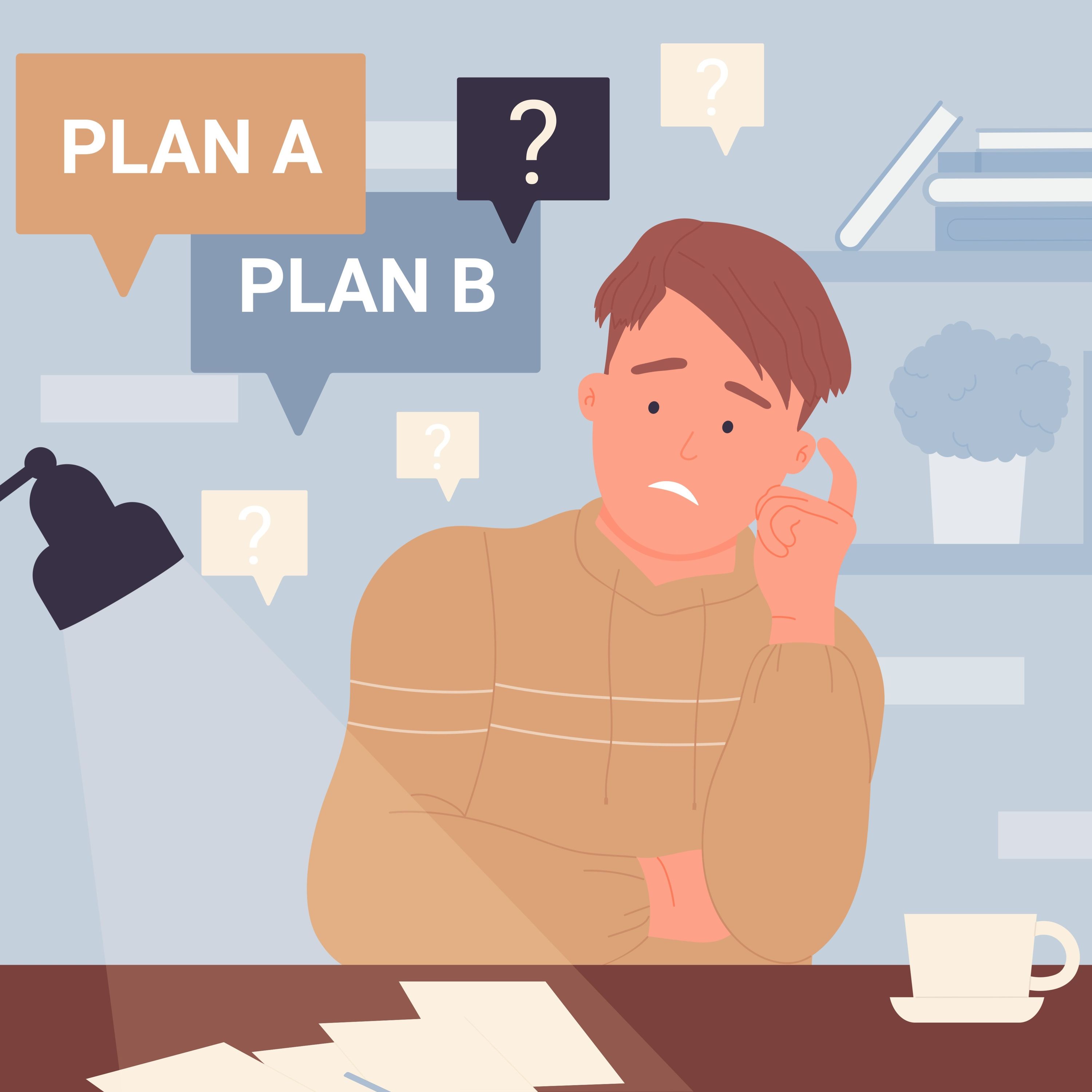
When you find yourself trapped in binary thinking (e.g., "buy the car or don't," "leave the job or stay"), it is a clear indicator of unexpressed fear. Fear restricts your perspective to black-and-white choices, hindering effective problem-solving. Acknowledging the underlying fear is the first step to seeing more creative solutions.

The “paradox of choice” isn't just about feeling overwhelmed. Presenting too many options (like 24 jams vs. 6) overloads our memory's capacity to compare alternatives. This cognitive strain makes us feel incompetent and leads to worse decisions or total inaction.

The brain's emotional center is five times stronger than its rational part. When triggered by stress, it shuts down executive function. A deliberate 90-second pause is a powerful antidote that allows the physiological wave of emotion to pass, enabling clearer, more considered decision-making.

The psychological discomfort of uncertainty, especially under stress like fatigue, pushes us to make *any* decision, even a bad one, just to escape the feeling. The desire for relief can override the need for the right answer, leading to costly mistakes.
We tend to stop analyzing data once we find a conclusion that feels satisfying. This cognitive shortcut, termed "explanatory satisfaction," is often triggered by confirmation bias or a desire for a simple narrative, preventing us from reaching more accurate, nuanced insights.