Get your free personalized podcast brief
We scan new podcasts and send you the top 5 insights daily.
The “paradox of choice” isn't just about feeling overwhelmed. Presenting too many options (like 24 jams vs. 6) overloads our memory's capacity to compare alternatives. This cognitive strain makes us feel incompetent and leads to worse decisions or total inaction.

Related Insights
Reducing the number of clicks is a misguided metric. A process with eight trivially easy clicks is better than one with two fraught, confusing decisions. Each decision burns cognitive energy and risks making the user feel stupid. The ultimate design goal should be to prevent users from having to think.
Asking an exhausted leader to make critical decisions is like asking someone to solve a complex problem while running uphill. The cognitive load leads to poor choices, decision avoidance, or total paralysis, directly wasting human potential and creating significant business risk.

Claiming to have too many ideas is not an intellectual problem but an emotional one. It is a common excuse to avoid taking action, rooted in a deep-seated fear of failure and social judgment. The solution isn't better analysis, but simply taking action—flipping a coin or throwing a dart—to overcome the emotional barrier.

Being unable to choose between several viable ideas isn't a strategy problem; it's a psychological one. This indecisiveness is often a defense mechanism, allowing you to talk about potential without ever risking the public failure of execution. The solution is to force a decision—flip a coin, draw from a hat—and commit.
Contrary to the economic theory that more choice is always better, people sometimes prefer fewer options. Removing a tempting choice, like a bowl of cashews before dinner, can lead to better outcomes by acting as a pre-commitment device, which helps overcome a lack of self-control.

A psychology experiment revealed that people forced to commit to a choice became happier with it over time because the brain rationalizes the decision, effectively manufacturing happiness. In contrast, keeping options open leads to second-guessing and dissatisfaction. Decisiveness is a key to happiness.

Unconstrained brainstorming often leads to an 'addition bias'—a pile-up of new initiatives without considering resources or removing existing tasks. This results in team burnout and inaction, as people become overwhelmed. Effective ideation must balance adding new ideas with subtracting old commitments.
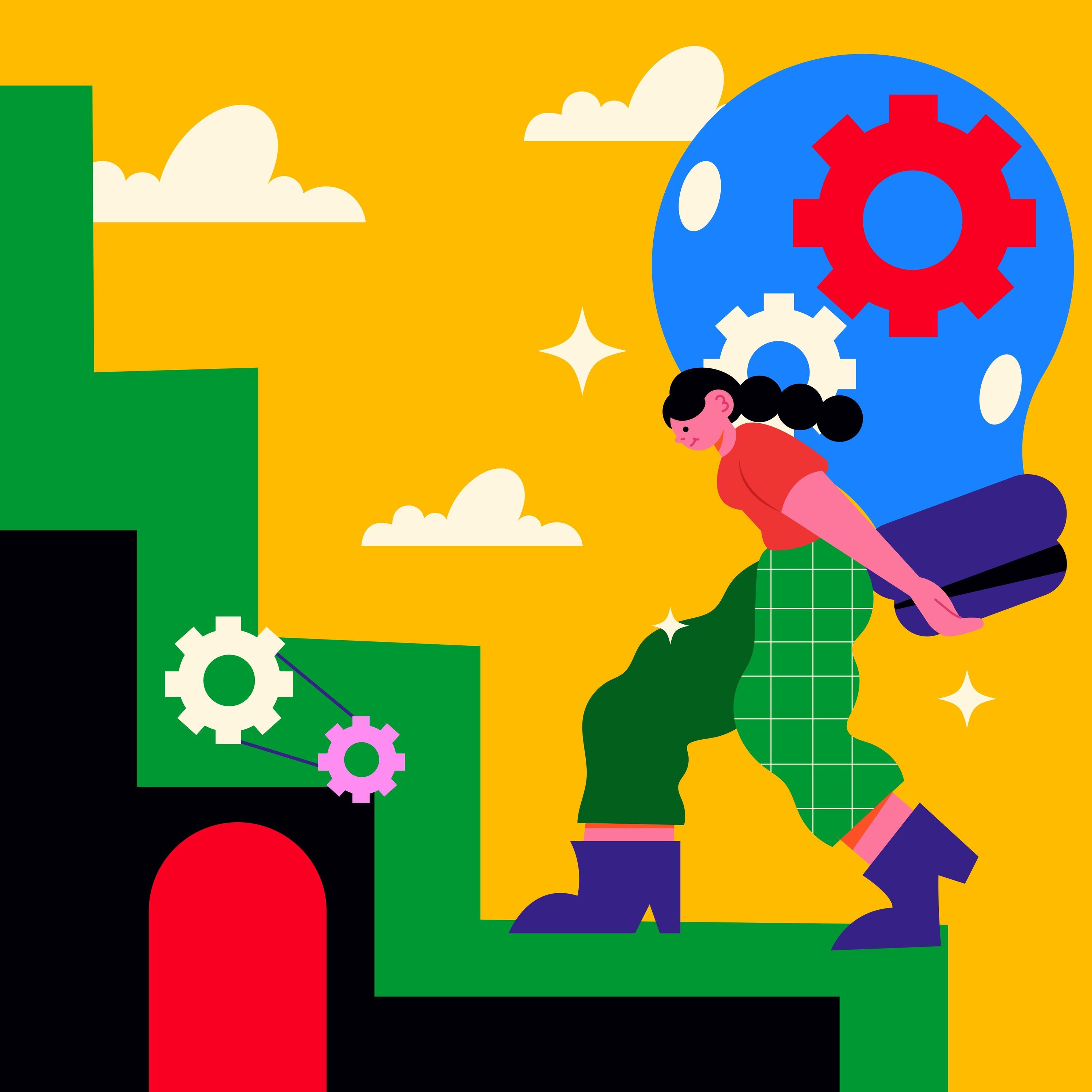
Providing an exhaustive list of creative ideas, including weaker ones, often backfires. Clients, seeking safety or overwhelmed by choice, gravitate towards the most bland and forgettable option, undermining the project's quality.

Technologists often assume AI's goal is to provide a single, perfect answer. However, human psychology requires comparison to feel confident in a choice, which is why Google's "I'm Feeling Lucky" button is almost never clicked. AI must present curated options, not just one optimized result.

Categorize decisions by reversibility. 'Hats' are easily reversible (move fast). 'Haircuts' are semi-permanent (live with them for a bit). 'Tattoos' are irreversible (think carefully). Most business decisions are hats or haircuts, but we treat them like tattoos, wasting time.
