Get your free personalized podcast brief
We scan new podcasts and send you the top 5 insights daily.
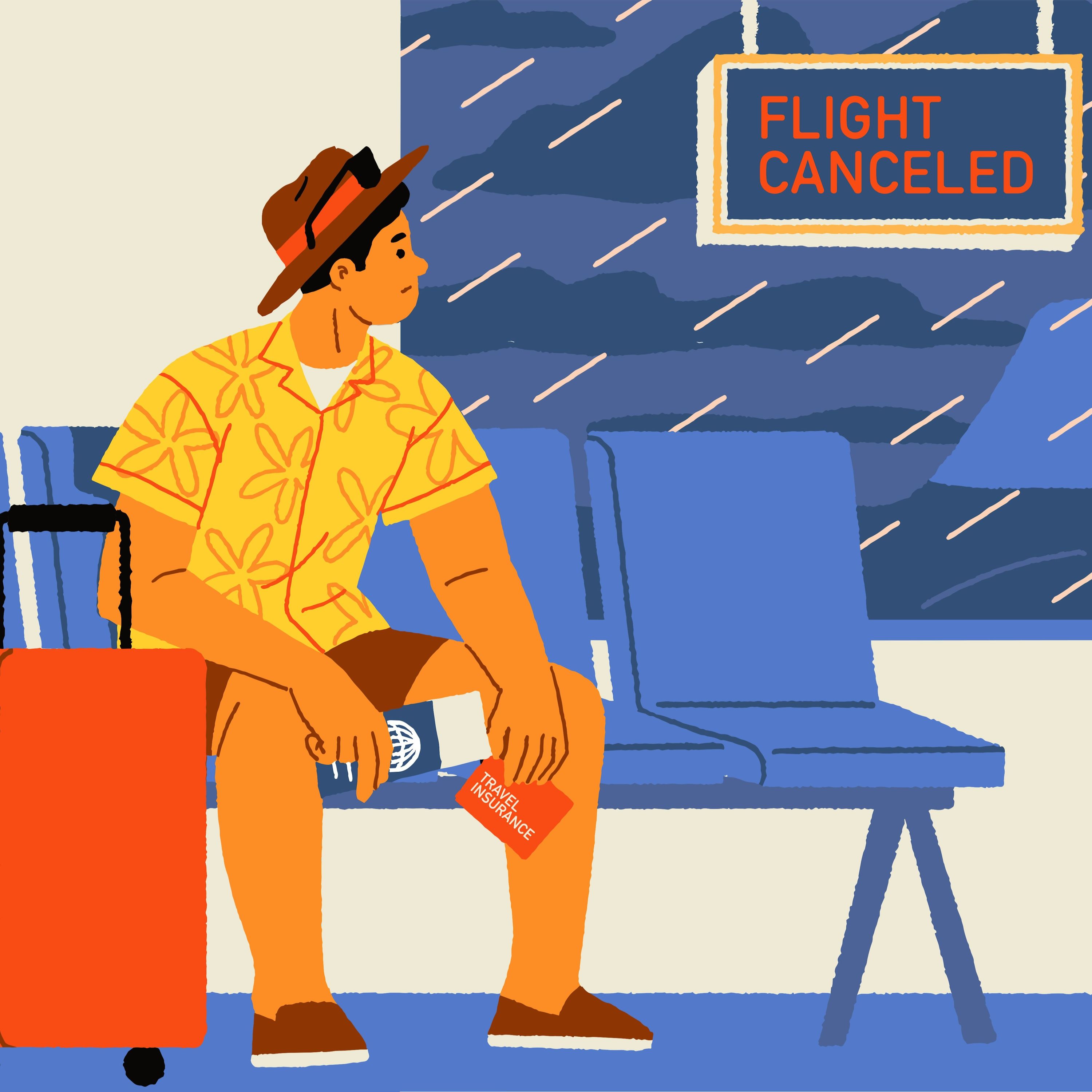
The psychological discomfort of uncertainty, especially under stress like fatigue, pushes us to make *any* decision, even a bad one, just to escape the feeling. The desire for relief can override the need for the right answer, leading to costly mistakes.

Related Insights
Asking an exhausted leader to make critical decisions is like asking someone to solve a complex problem while running uphill. The cognitive load leads to poor choices, decision avoidance, or total paralysis, directly wasting human potential and creating significant business risk.

The best leaders act on incomplete information, understanding that 100% certainty is a myth that only exists in hindsight. The inability to decide amid ambiguity—choosing inaction—is a greater failure than making the wrong call.

Being unable to choose between several viable ideas isn't a strategy problem; it's a psychological one. This indecisiveness is often a defense mechanism, allowing you to talk about potential without ever risking the public failure of execution. The solution is to force a decision—flip a coin, draw from a hat—and commit.

When facing a difficult choice that creates persistent unease or uncertainty, it's often a signal that the correct path is to decline or opt out. This heuristic, borrowed from investor Naval Ravikant, helps cut through complex analysis paralysis, especially in situations with ethical ambiguity.

Leaders often feel pressured to make quick decisions. However, in industries like life sciences where mistakes cost lives, true leadership vulnerability is admitting 'I don't know' and taking the time to gather more information. The right decision is often to wait.

Post-mortems of bad investments reveal the cause is never a calculation error but always a psychological bias or emotional trap. Sequoia catalogs ~40 of these, including failing to separate the emotional 'thrill of the chase' from the clinical, objective assessment required for sound decision-making.

During the COVID pandemic, some people drank bleach because our brains are wired to despise uncertainty. In the absence of clear answers, we gravitate towards any promised solution, however dangerous, because taking action provides a false sense of control.
The brain's deliberative "Pause & Piece Together" system is suppressed by stress, which boosts the impulsive "Pursue" (reward) and "Protect" (threat) systems. This neurological process explains why we make rash choices when tired or under pressure.
Experienced pilots crashed a perfectly flyable plane because overwhelming alarms caused their executive function to collapse. They fixated on one wrong idea, ignoring contradictory data—a stark warning for investors in volatile markets.

Economist Frank Knight's framework distinguishes risk (known probabilities) from uncertainty (unknowns). Today's business environment is filled with uncertainty, which triggers a natural fear and a 'freeze' response in leaders. Recognizing this distinction is the first step to acting despite incomplete information.