Get your free personalized podcast brief
We scan new podcasts and send you the top 5 insights daily.
In high-stress situations, asking "How would I feel?" reframes the interaction from defending a policy ("There's nothing I can do") to empathetic problem-solving ("Let me see what I can do"). This simple question can de-escalate conflict and turn an adversary into an ally.

Related Insights
When receiving harsh feedback, avoid a defensive posture by mentally reframing the interaction. Instead of seeing it as a personal attack across a table, visualize both of you on the same side, collaborating on a problem written on a whiteboard. This shifts the focus to the idea, not the person.

We are much less accurate at imagining others' perspectives than we believe. Instead of assuming or "taking" their viewpoint, we should actively "get" it by asking genuine questions. This simple shift fosters authentic connection, belonging, and better outcomes.

When facing a viewpoint you find incorrect, the instinct is to correct the facts. A better approach is to first validate the person's emotion ("It makes sense you feel X about Y"). This makes them feel heard and safe, preventing defensiveness before you present your own perspective.

The Nonviolent Communication framework (Observations, Feelings, Needs, Request) provides a script for difficult conversations. It structures your communication to focus on objective facts and your personal emotional experience, rather than blaming the other person. This approach minimizes defensiveness and fosters empathy.

Effective problem-solving ('Plan B') follows a sequence. First, genuinely understand the other's perspective (Empathy). Second, share your own concerns using 'and,' not 'but.' Only then, invite them to brainstorm a mutually satisfactory solution together.
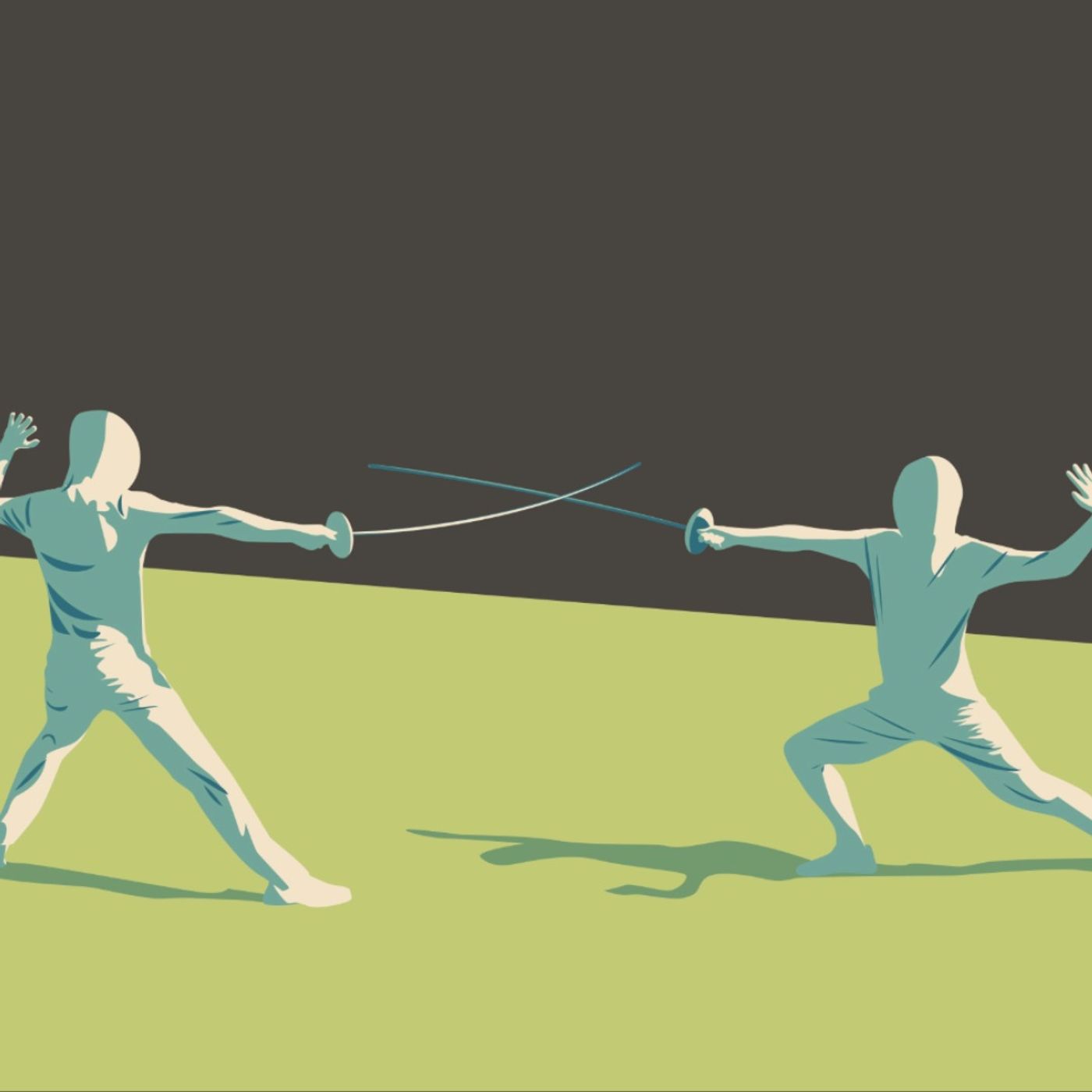
The difficulty in a conversation stems less from the topic and more from your internal thoughts and feelings. Mastering conflict requires regulating your own nervous system, reframing your perspective, and clarifying your motives before trying to influence the other person.
In tense executive meetings, this simple verbal tool can de-escalate conflict. By starting with two points of agreement ("I like...") before posing a question ("I wonder if..."), you validate the other person, lower defensiveness, and create space for alternative ideas.
Instead of assuming negative intent behind someone's poor behavior, actively formulate the 'Most Generous Interpretation' (MGI). This mental shift helps you see them as a collaborator, not an adversary, leading to more constructive and effective solutions.

In disagreements, the objective isn't to prove the other person wrong or "win" the argument. The true goal is to achieve mutual understanding. This fundamental shift in perspective transforms a confrontational dynamic into a collaborative one, making difficult conversations more productive.
When someone is upset, directly ask if they want to be "heard" (emotional support), "helped" (practical solutions), or "hugged" (social connection). This simple heuristic clarifies their needs and prevents the conversational mismatch of offering solutions when empathy is desired.
