Get your free personalized podcast brief
We scan new podcasts and send you the top 5 insights daily.
Zoox's decision to build the vehicle, software, AI, and service in-house is a deliberate strategy for focus and speed. By controlling every necessary component, they avoid the friction and misalignment of partnering with multiple companies, enabling faster, more integrated development cycles.

Related Insights
Integrating capabilities like machining isn't just a cost-saver. For startups, it's a strategic advantage that grants direct control over the development lifecycle, enabling rapid iteration and faster time-to-market by eliminating vendor dependencies.

Creating the Dot delivery robot wasn't just a hardware challenge. DoorDash had to build the vehicle hardware, a custom L4 autonomy software stack, integrate them, and then plug the entire system into its complex logistics and merchant platform—a multi-year, first-principles effort.

By designing and owning critical components like motors, batteries, and software in-house, Pika delivers a simple, integrated user experience for its complex drones, a strategy used by companies like Apple and Tesla.
A core pillar of Rocket Lab's strategy is extreme vertical integration. The company builds nearly every component in-house, from engines and tanks to flight computers and solar panels. This control over the entire stack is considered a key competitive advantage across all its business units.

While competitors adapt existing cars, Zoox created its robo-taxi from scratch without a steering wheel or pedals. This purpose-built approach, though slower to market, creates a fundamentally superior user experience and a long-term strategic advantage over rivals who are merely retrofitting legacy platforms.

Companies like SpaceX built their own operating systems (like Warp Drive) because off-the-shelf solutions couldn't handle their complexity and speed. For Senra, this means building custom software and automation. Vertical integration is not a choice but a necessity when the external industrial base is a bottleneck to growth.
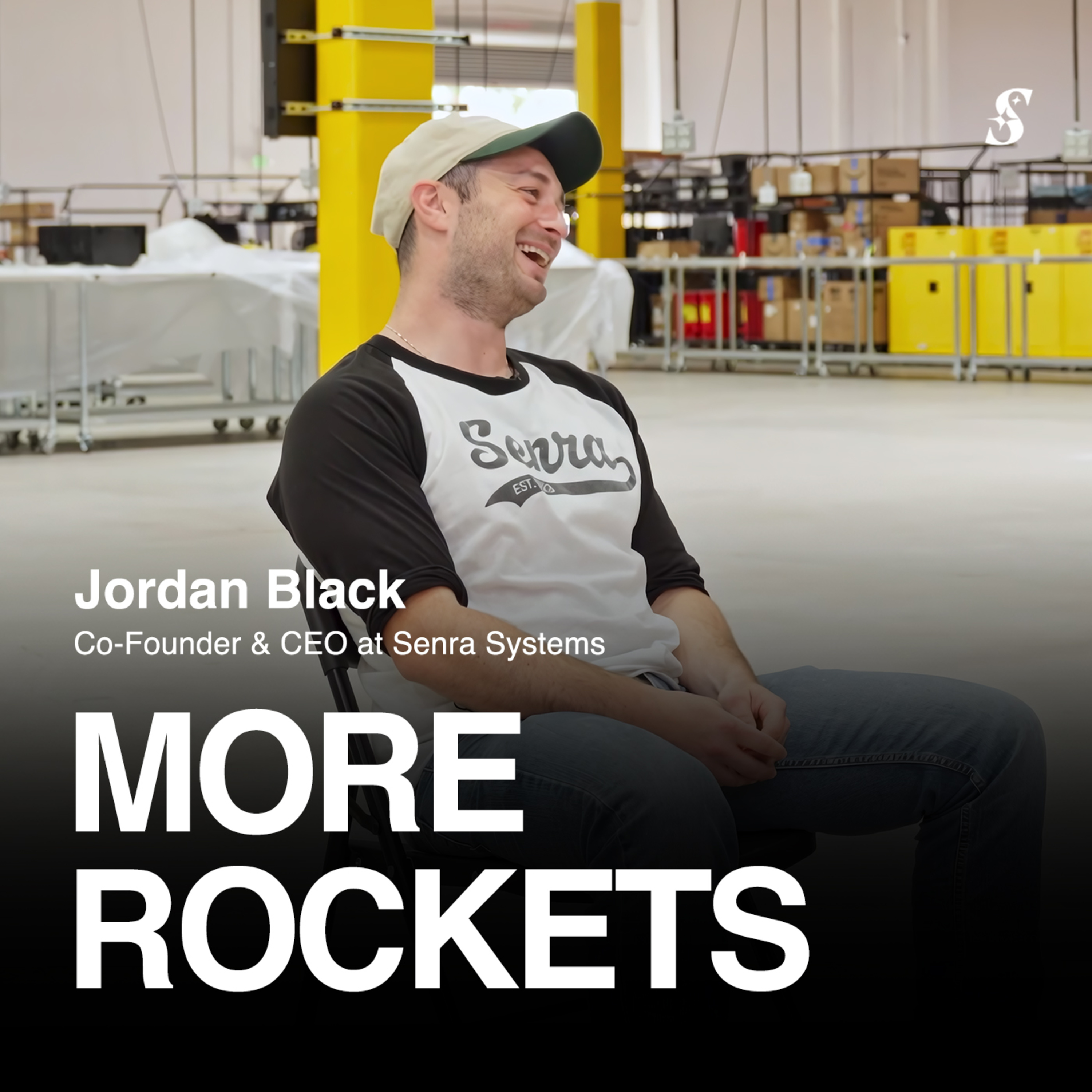
The key benefits of vertical integration at extreme scale are speed and destiny control, not just cost. Owning the stack allows you to re-architect every layer simultaneously for a new product. This is impossible when relying on vendors who cater to the median customer, not your bleeding-edge needs.

For zero-to-one technologies like humanoid robotics, relying on a supply chain is too slow. ONE X develops everything in-house, from new materials to foundation AI models. This enables rapid, cross-disciplinary iteration, as key discoveries happen at the intersection of hardware, software, and materials science.
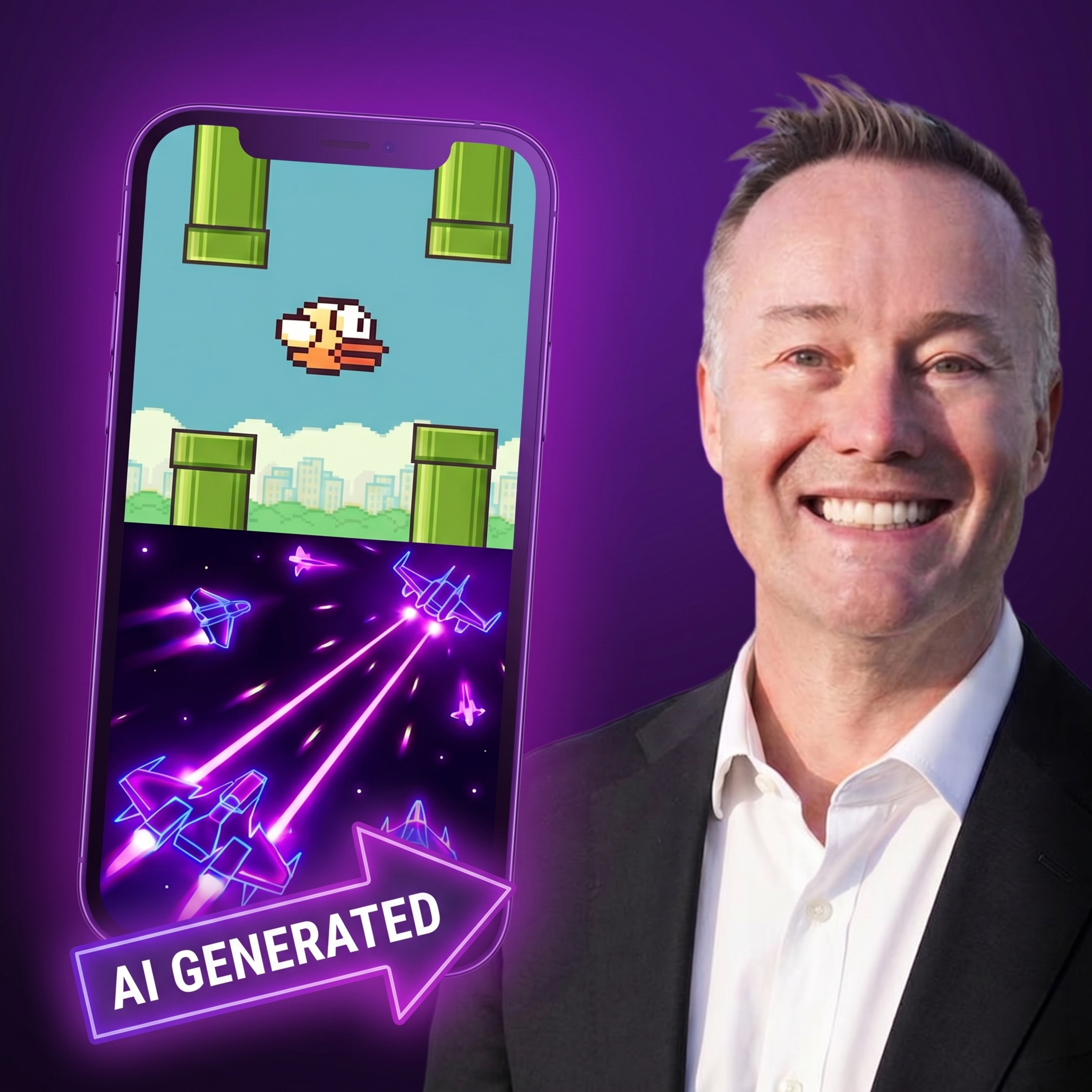
Figure designs nearly every component of its robots in-house, from motors to batteries. This extreme vertical integration, though costly upfront, prevents being at the mercy of third-party vendor timelines, code problems, or supply chain issues, enabling faster iteration and deeper system control.
Etched builds its own chips, boards, cold plates, interconnects, and even its own racks. This full-stack ownership allows for extreme parallelization and iteration speed, a key advantage over startups that rely on a fragmented supply chain and multiple vendors.
![Etched - Building AI Hardware to Make Inference Faster and Cheaper - [Invest Like the Best, EP.480] thumbnail](https://megaphone.imgix.net/podcasts/532910c4-743d-11f1-b7dc-b31915c88b79/image/810c9e3a23b5c4ea0a56e5e4cc8d7e47.jpg?ixlib=rails-4.3.1&max-w=3000&max-h=3000&fit=crop&auto=format,compress)